A joint study conducted in 2023 by the Energy Market Authority (EMA) and National Environment Agency (NEA) with Swedish firm SKB International found no major technical roadblocks for Singapore to store nuclear waste, potentially deep underground, if it decides to develop nuclear energy [1, 2, 3].
The desktop study, made public in May 2026, did not include on-site investigations and highlighted the need for future geological surveys to complete the assessment [1, 2, 3].
Singapore’s radioactive waste management capabilities form one of 19 critical areas that will be evaluated by the International Atomic Energy Agency (IAEA) in a scheduled assessment in 2027 [1, 2, 3]. This assessment will help Singapore make an informed decision on nuclear energy deployment.
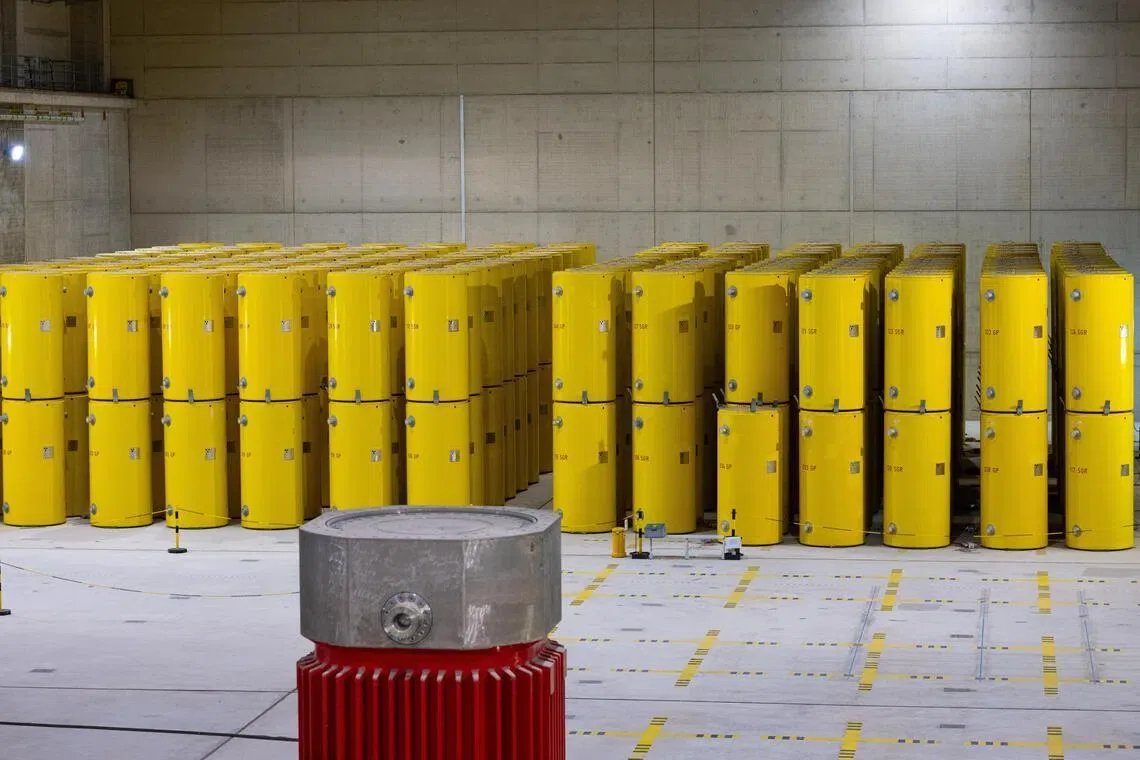
Nuclear waste is categorized by radioactivity and decay time. Low-level waste includes contaminated items such as gloves and uniforms. High-level waste mostly consists of hot used uranium fuel rods, containing particles like plutonium-239, which takes approximately 240,000 years to decay [1, 2, 3]. Proper disposal of such waste is critical to prevent serious harm to human health and the environment [1, 2, 3].
Earlier proposals to dispose of nuclear waste by launching it into space were rejected due to high costs and risks involved [1, 2, 3].
Singapore’s next concrete step is the IAEA assessment due in 2027, which will evaluate the nation’s readiness to manage radioactive waste and guide decisions about adopting nuclear energy [1, 2, 3].