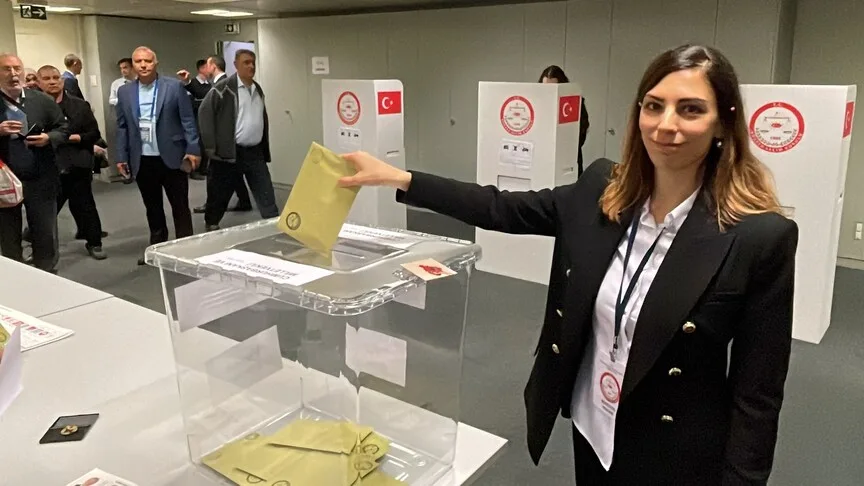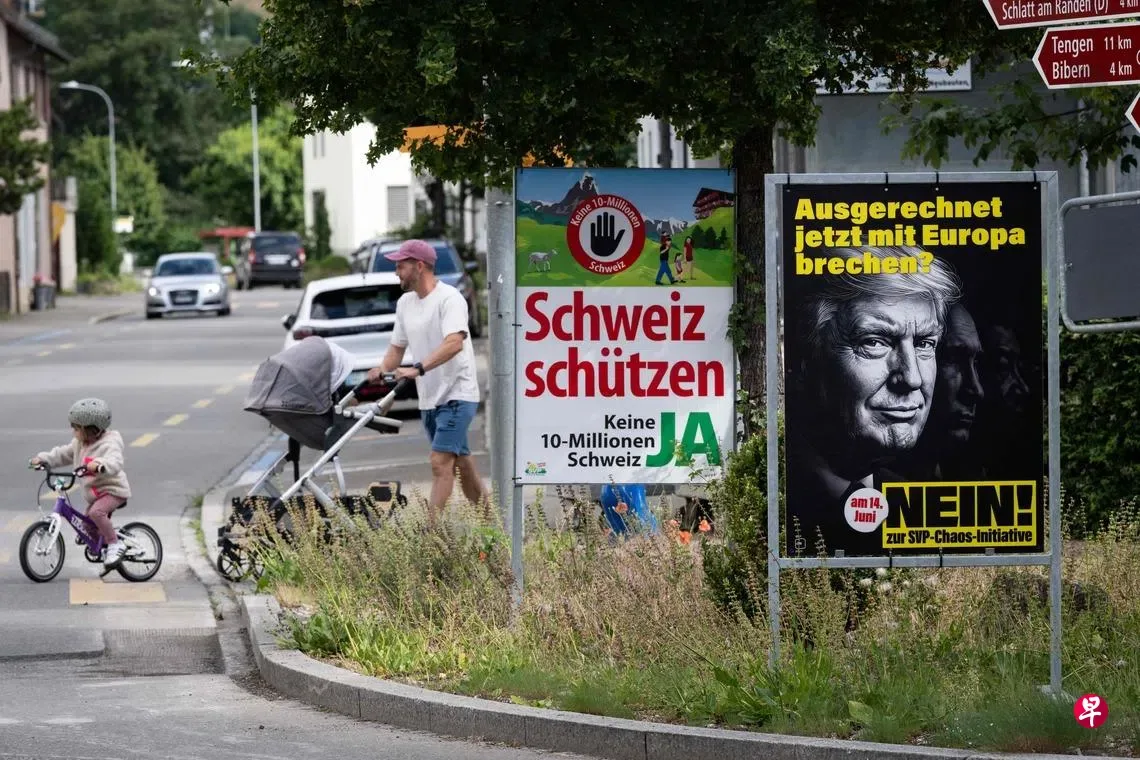
Swiss voters are projected to reject a referendum to limit the country's permanent resident population to 10 million by 2050, according to recent polls conducted ahead of the June 14 vote [1, 2, 3, 4, 5].
The referendum seeks to end Switzerland's freedom of movement agreement with the European Union, a cornerstone of the country's immigration policy for decades [1, 2, 3, 5]. Swiss population has grown steadily from approximately 7.3 million in 2002 to 9.1 million in 2025 [1, 2, 3, 5].
A poll conducted from May 19 to 27 among 19,400 respondents showed 52% oppose the initiative while 45% support it; 3% remained undecided [1, 2, 3, 4, 5]. This marks a shift from a late-April poll that showed an even split at 47% for and 47% against [1, 2, 3, 5]. Opposition has increased by 5 percentage points since early May, notably among women, the highly educated, urban residents, French speakers, and Swiss living abroad [4]. Support remains strongest among voters backing the right-wing Swiss People's Party (SVP), which launched the initiative [1, 2, 3, 4, 5].
Supporters argue rapid immigration has strained public infrastructure, including housing, schools, transportation, and hospitals. They also say controlling immigration could protect the environment and reduce crime and violence [1, 2, 3, 5]. Opponents warn the proposal would damage Switzerland's economy, worsen labor shortages by restricting skilled foreign workers, and harm ties with the EU—the country's largest trading partner [1, 2, 3, 5].
The Swiss government firmly opposes the initiative, cautioning it will hinder cooperation with the EU and have negative economic consequences [1, 2, 3, 5]. Political scientist Lukas Golder said "the initiative appears unlikely to replicate the success of the 2014 vote against mass immigration," reflecting current public sentiment [4].
The referendum remains scheduled for June 14, when Swiss voters will decide whether to adopt the legal population cap. Polls published today continue to show a lead for the opposition ahead of the vote [1, 4].