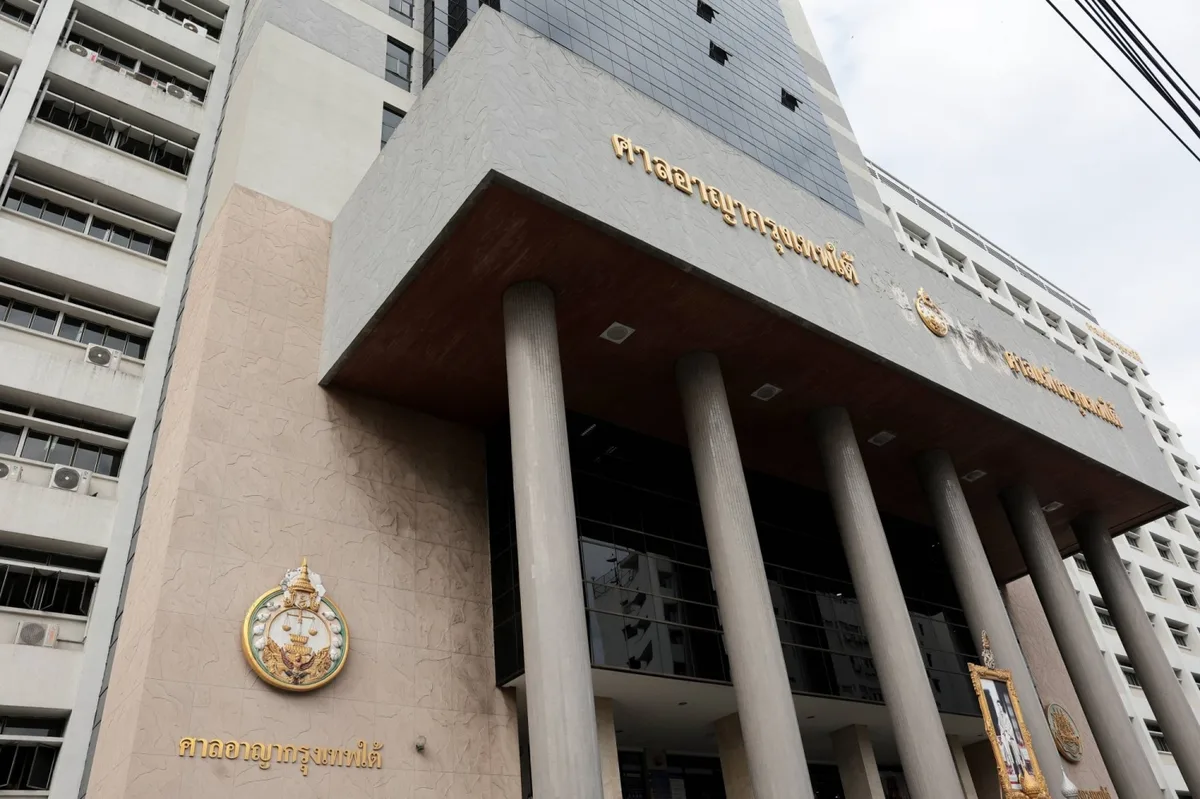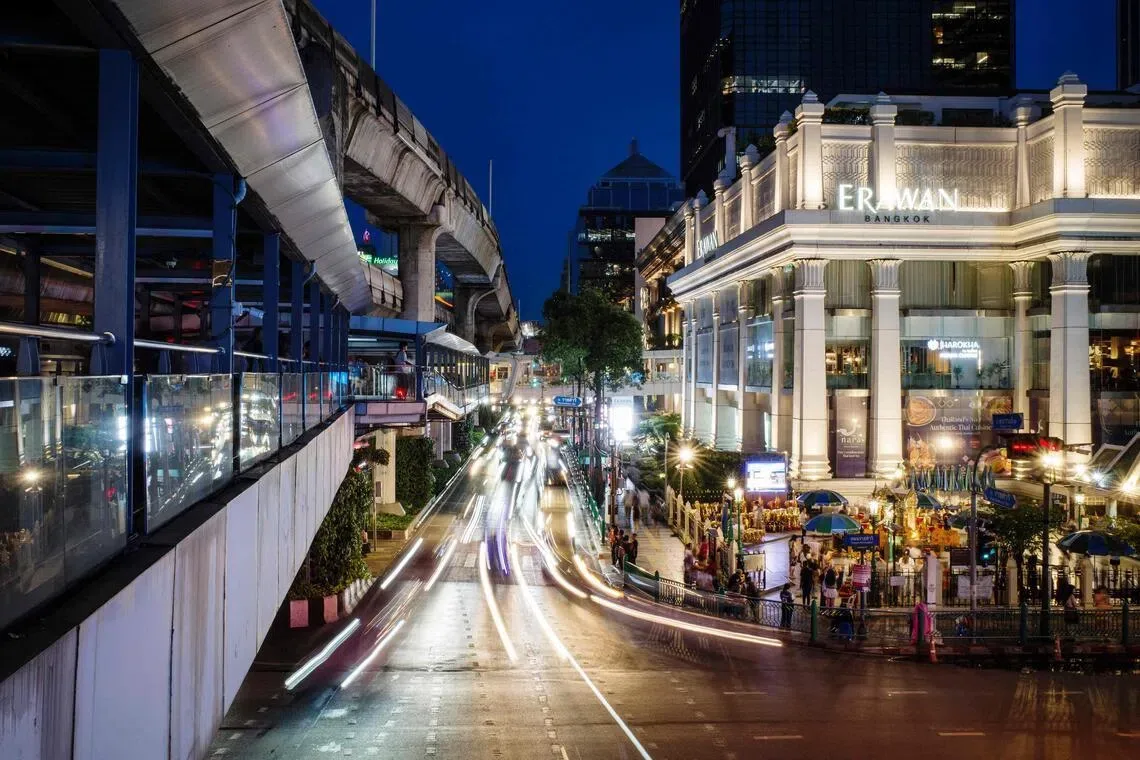
A Thai court will deliver its verdict on June 11, 2026, in the case of the 2015 bombing at Bangkok’s Erawan Hindu shrine that killed 20 people and injured more than 100 others [1, 2]. The bombing occurred in August 2015 in Bangkok’s commercial heart and remains the deadliest attack in Thailand’s history [1, 2].
Two Uyghur men, Yusufu Mieraili and Bilal Mohammed, stand accused of planting the bomb. Both deny the charges [1, 2]. A third suspect, Thai woman Wanna Suansan, was arrested in 2017 but acquitted in 2024 [1].
The trial has faced multiple delays over the past decade due to disruptions caused by the COVID-19 pandemic and difficulties with translation services [1, 2]. These setbacks have prolonged the legal process since the suspects went on trial in 2016 [1, 2].
The attack occurred weeks after Thailand’s military government forcibly repatriated 109 Uyghurs to China in February 2025, a move that sparked speculation about a possible revenge motive for the bombing [1]. Multiple Chinese tourists were among those killed in the blast [1].
The court’s forthcoming verdict on June 11 is the next major development in the long-running case, nearly 11 years after the bombing that shocked the nation and its visitors [1, 2].