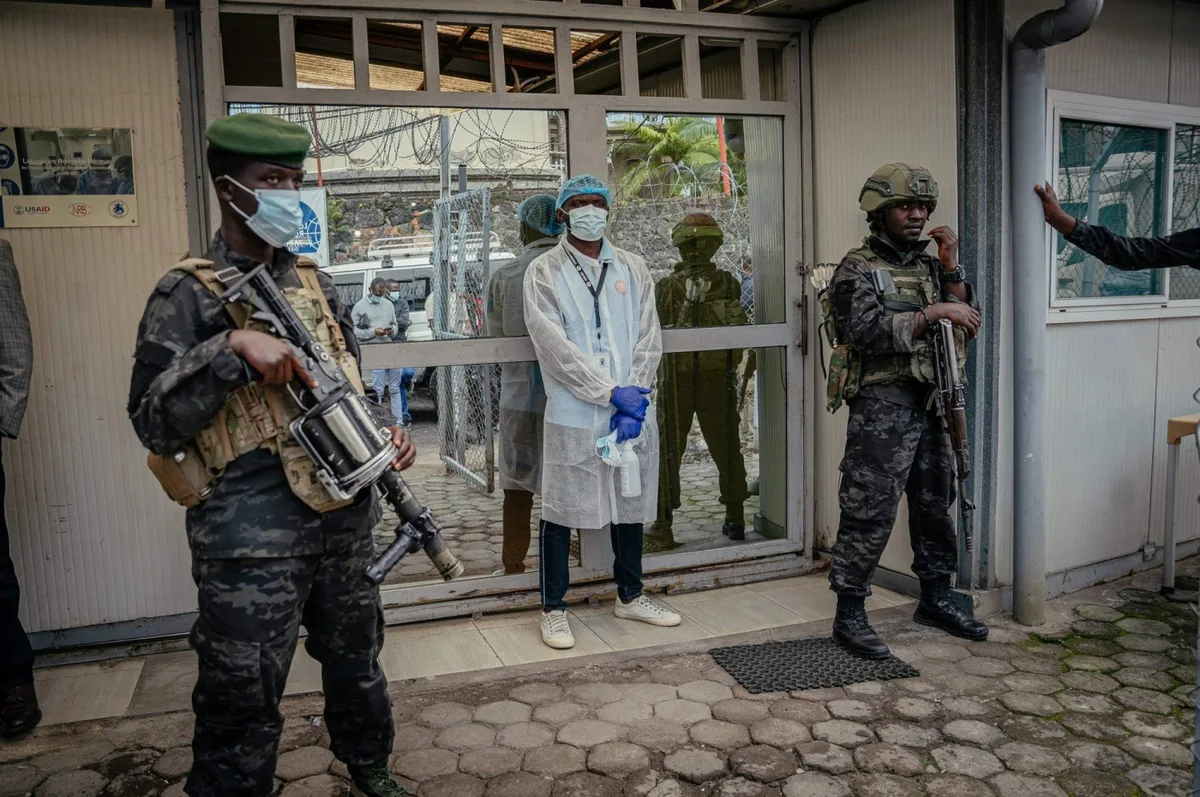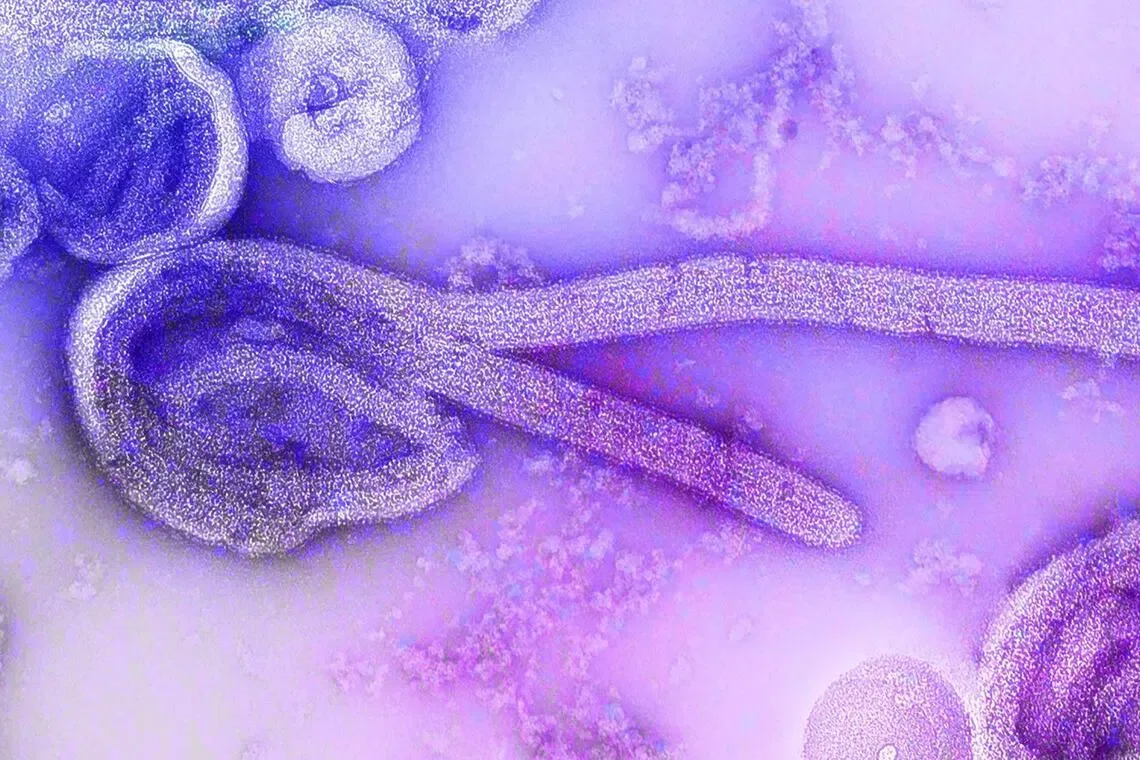
Thailand is maintaining close surveillance for Ebola virus disease to prevent imported infections from high-risk countries such as the Democratic Republic of the Congo and Uganda [1, 2]. Authorities have not detected any Ebola cases but have increased hospital readiness, including isolation rooms, protective gear, and lab confirmation capacity [1, 2]. Ebola spreads through direct contact with infected bodily fluids or contaminated objects and has an incubation period of 2 to 21 days [1, 2]. The Bundibugyo strain is a particular concern due to the lack of approved vaccines or treatments, unlike the Zaire strain [1, 2].
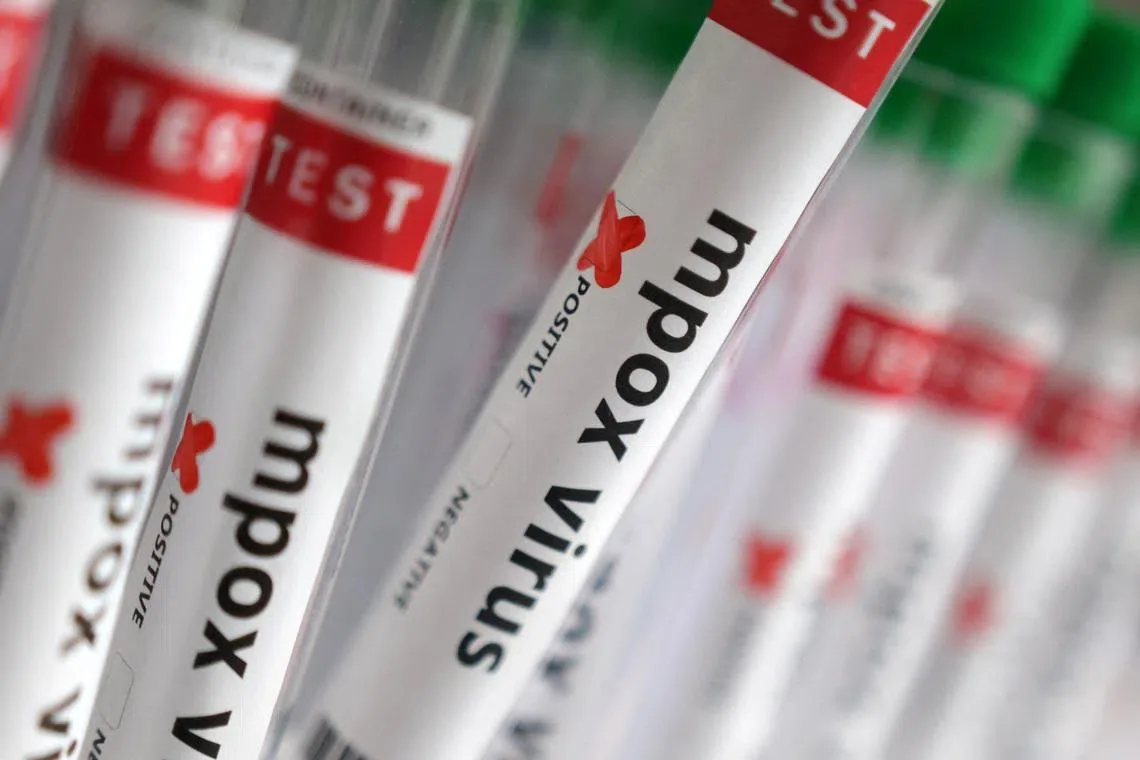
At the same time, Thailand has stepped up monitoring of mpox clade Ib after two new confirmed cases linked to close physical and sexual contact [3]. Since 2026 began, Thailand recorded six mpox cases, mostly among men with risk factors involving close skin-to-skin contact, especially sexual contact among men who have sex with men [3]. Thailand has reported a total of 1,074 confirmed mpox cases and 16 deaths overall, with 18 cumulative clade Ib cases and no deaths from this clade [3].
Dr Montien Kanasawadse noted, "Mpox cases continue to be detected, particularly among groups with risk behaviours. The best prevention is to avoid close skin-to-skin contact with people who have symptoms, and to avoid sexual contact with strangers or anyone with a rash or skin lesions that may suggest infection" [3]. The Department of Disease Control (DDC) urges the public to maintain personal hygiene, avoid contact with bodily fluids of infected individuals, and refrain from sexual contact with strangers or anyone showing rash symptoms [1, 2, 3].
The DDC is coordinating with domestic and international agencies to enable rapid response if suspected Ebola cases arise [1, 2]. Neighboring Asian countries, including Hong Kong, have also enhanced Ebola screening and quarantine measures despite no confirmed cases in Asia [4].
Earlier this month, Dr Montien Kanasawadse and Dr Direk Khampaen publicly briefed on Thailand’s Ebola risks and surveillance efforts on May 18, 2026 [1, 2]. The DDC reported the new mpox clade Ib cases and overall mpox statistics on May 19, 2026 [3], followed by regional reports of increased Ebola precautions on May 20, 2026 [4]. The first new mpox case symptom onset in 2026 was April 22, with two new clade Ib cases confirmed between April 26 and May 9 [3].