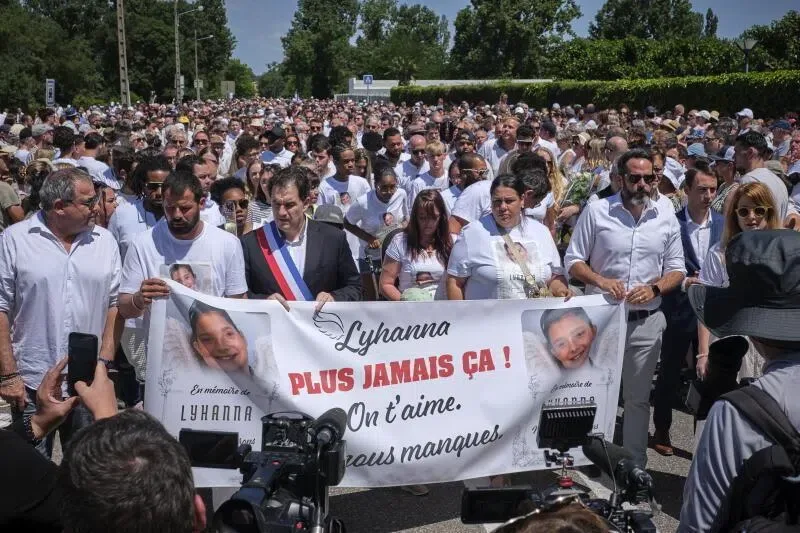
An 11-year-old girl named Lyhanna was murdered in Fleurance, France, after going missing on May 29, 2026. She was last seen entering a grey car owned by 41-year-old Jérôme Barella, the prime suspect believed to have killed her [1, 2].
Lyhanna's body was found a week later in a disused grain silo about 15 kilometers from where she disappeared [2]. Barella, the father of one of Lyhanna’s school friends, was arrested but denies involvement in her death [1, 2].
Authorities revealed Barella had a history of sexual abuse accusations, including at least four complaints. Prosecutors delayed investigations despite warnings dating back to at least 2017 [1, 2]. The justice system failed to question or investigate Barella adequately, raising serious concerns about lapses in judicial oversight [1, 2].
President Emmanuel Macron condemned the judicial failures as "unacceptable" and promised an official investigation into responsibilities. He said, "It is not a question of resources but responsibilities that will need to be determined through an official investigation [1, 2]." Justice Minister Gérald Darmanin also expressed fury and issued an apology to Lyhanna's family [1].
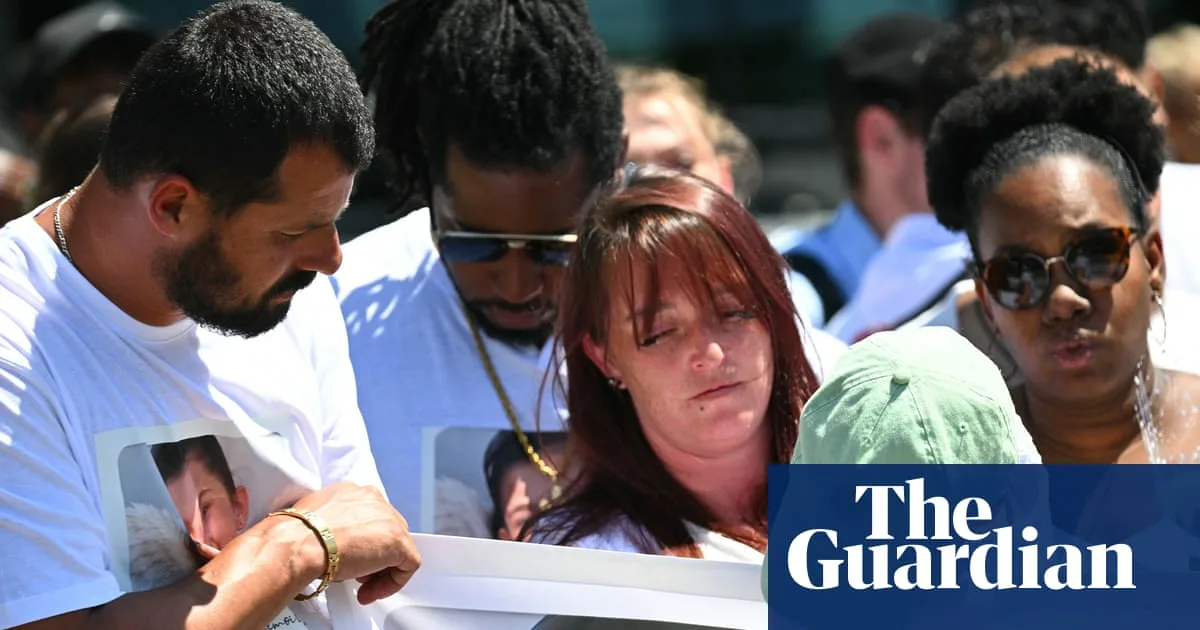
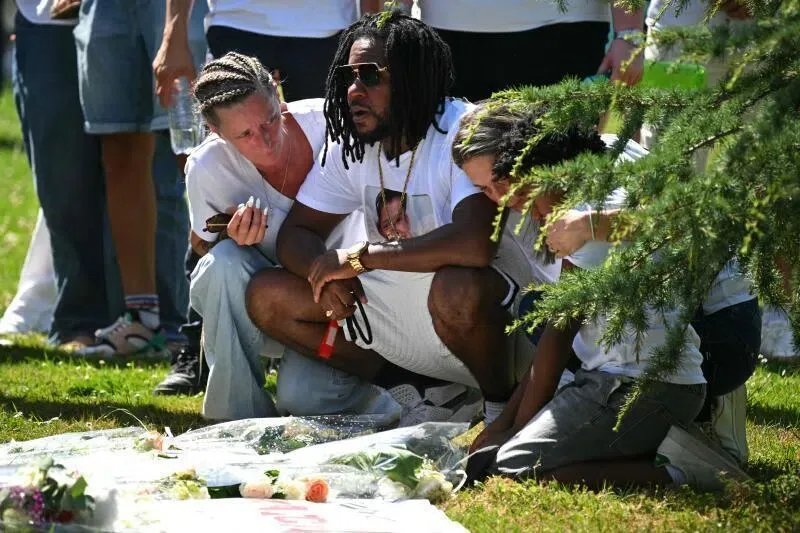
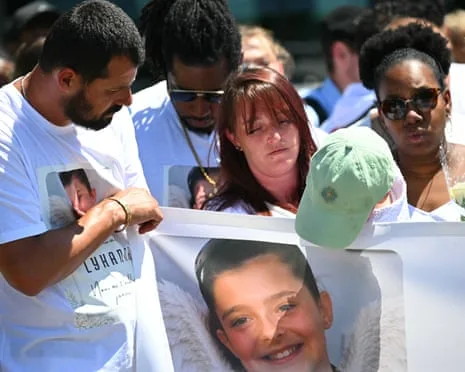
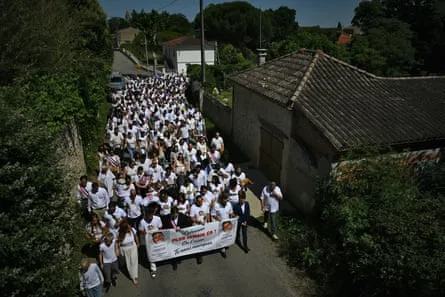
On June 7, about 6,000 people marched silently in Fleurance to honor Lyhanna's memory, including family members and local representatives [1]. Participants wore white shirts, carried white flowers, and displayed banners reading "Lyhanna. Never again!" [1, 2]. The march was held per the family's wishes and did not include national politicians [1].
Karine Camus, a march participant who is a mother of two, said, "I feel personally affected. I have two children, a 12-year-old daughter and a 13-year-old son. It could have happened to my family, to my son, to my daughter [1]." Pensioner and rape survivor Manola Martin added, "Unfortunately, the justice system does nothing for these people [1]."
The investigation into Barella's actions and the judicial failures continues as authorities face pressure to address weaknesses highlighted by the case.