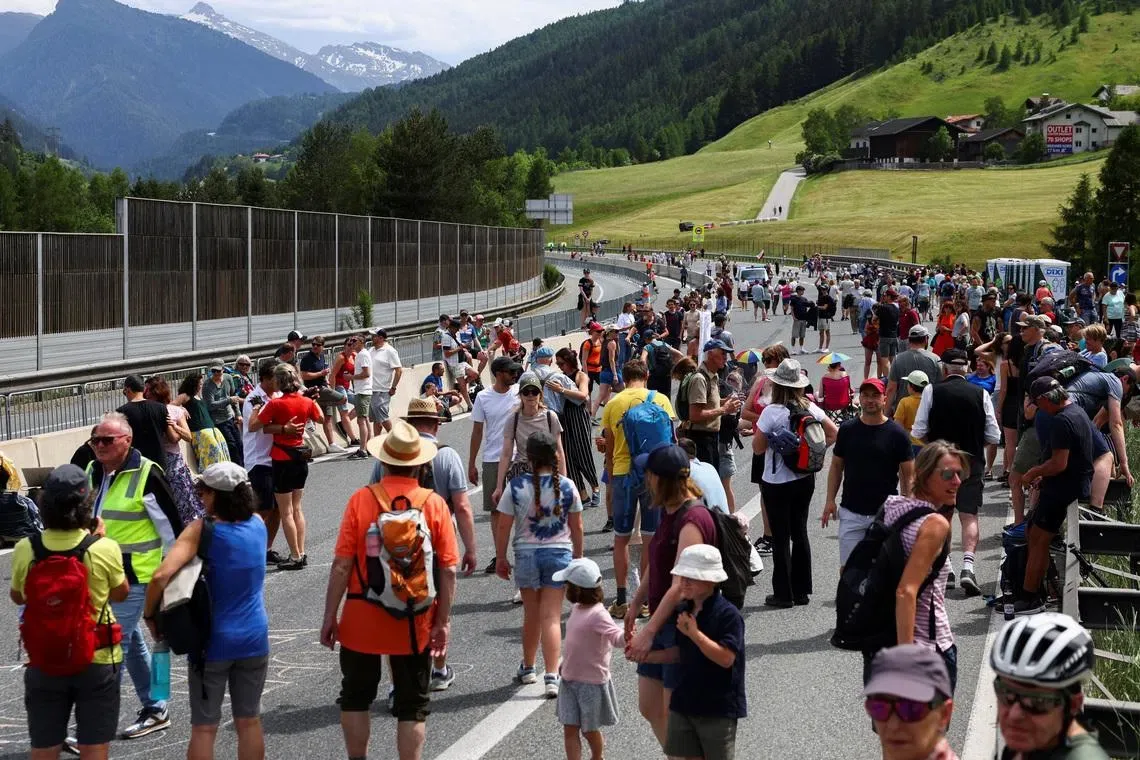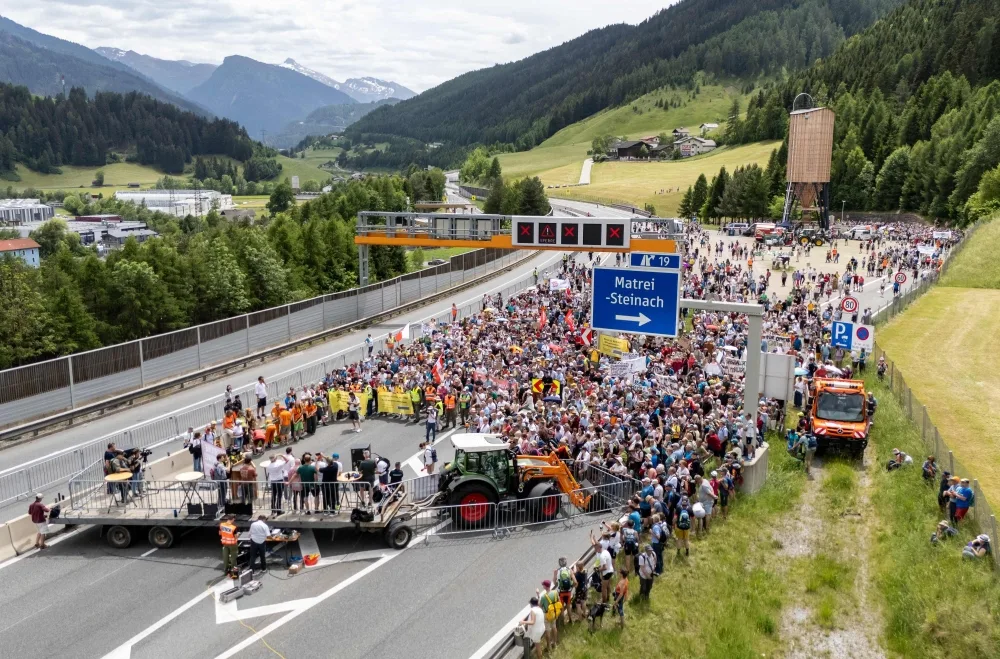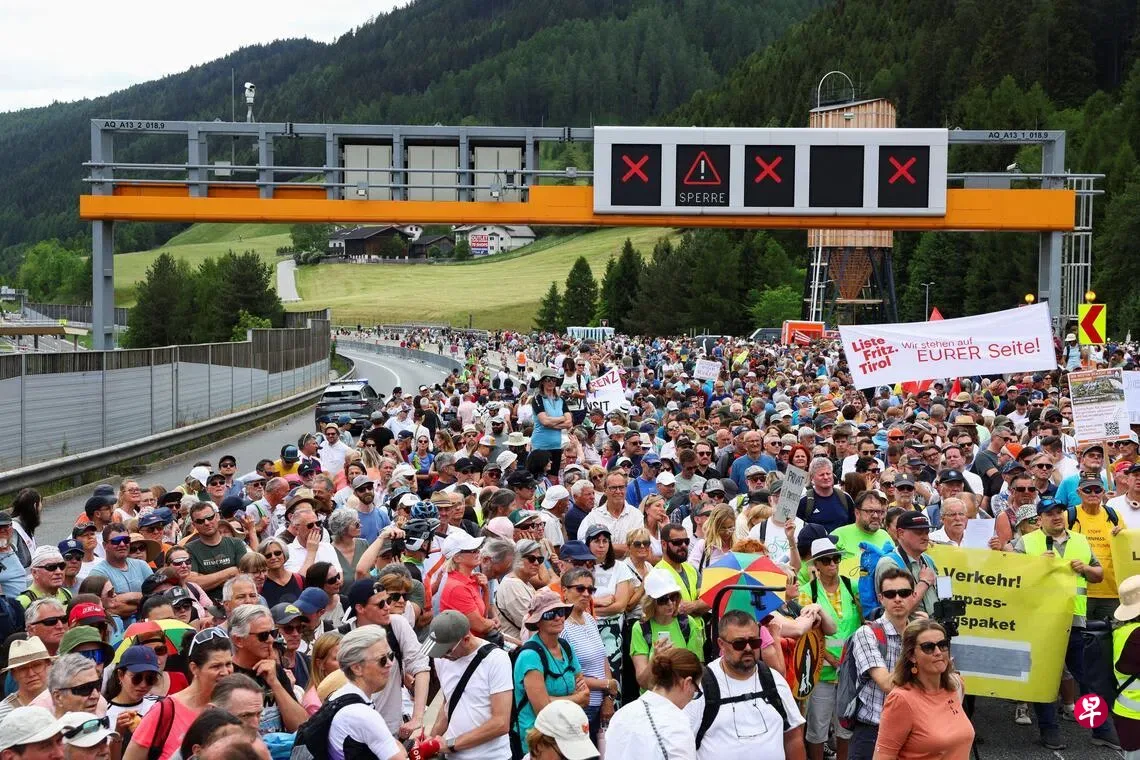
Thousands of local residents closed Austria's Brenner motorway on May 30, blocking one of Europe's key north-south routes through the Alps that connects Germany and Italy [1, 2, 3]. The closure lasted from 11 a.m. to 7 p.m. local time, covering the motorway and surrounding roads near Matrei am Brenner to halt transit traffic [1, 2, 3].
The protest was led by Karl Muehlsteiger, mayor of Gries am Brenner near the Brenner Pass. He told crowds, "You are making history!" and emphasized the message to Brussels and the federal government in Vienna that "this situation cannot continue with increasing traffic volumes" [1, 2]. He later called the event "hugely successful," saying it sent a clear signal that policymakers "can no longer play it down or ignore it" and must address protesters' demands [3].
The demonstration drew between 3,000 and 5,000 people protesting truck traffic, noise, pollution, and congestion along the Tyrol province route [1, 3]. Police cordoned off both ends of the closed motorway section, and warnings helped many drivers avoid the area or turn around, preventing the expected traffic chaos [1, 3]. Harald Lasser of Austria's motoring club OeAMTC said, "The disaster didn’t happen because we announced it in advance" [3].
Lorry traffic on the Brenner Pass has been rising, with over 2.4 million vehicles passing in 2025 alone [3]. Protesters want cleaner, quieter transport across the corridor used by heavy trucks.
Rail traffic was affected overnight before the protest by a suspected arson attack on electrical control units near Verona, Italy, disrupting trains on the Verona–Brenner line [1, 3]. Investigators are exploring potential links between the attack and radical environmental or anarchist groups [1]. Meanwhile, trains using the route were reported crowded during the motorway closure [1, 3].
Officials and protesters remain focused on the demands raised during the demonstration. No further protests have been scheduled yet, but authorities will monitor traffic and public response closely.