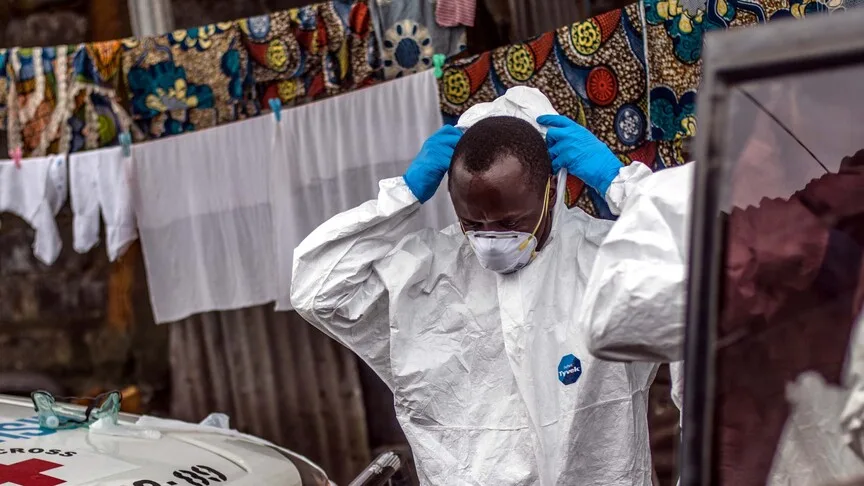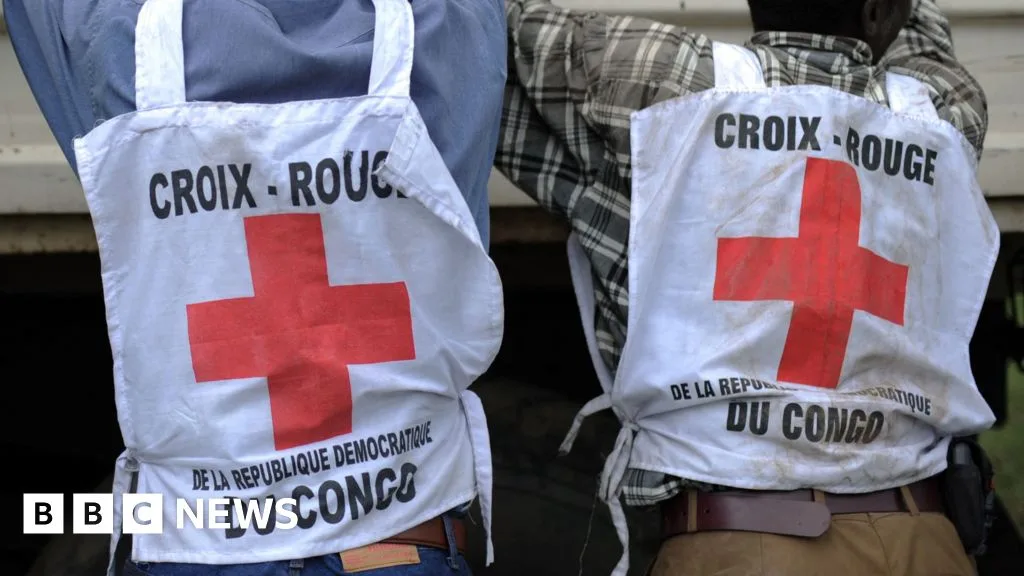
Three Red Cross volunteers in DR Congo’s Ituri province died from suspected Ebola between May 5 and 16, 2026. The volunteers, Ajiko Chandiru Viviane, Sezabo Katanabo, and Alikana Udumusi Augustin, contracted the virus while handling dead bodies on March 27 during a humanitarian mission unrelated to Ebola before the outbreak was identified [1, 2, 3].
The ongoing outbreak involves the Bundibugyo strain of Ebola, which currently has no approved vaccine or treatment options available [1, 4, 2]. According to the World Health Organization (WHO), there have been about 750 suspected Ebola cases and 177 suspected deaths in DR Congo, with 82 cases and 7 deaths confirmed so far [1, 3]. Uganda has also confirmed five cases linked to the DR Congo outbreak, including three new ones reported on May 23 [1, 3].
The Congolese government has taken measures to contain the virus by temporarily suspending commercial, private, and special flights to and from Bunia in Ituri province [3]. Volunteers have begun conducting door-to-door campaigns in Mongbwalu to counter misinformation and build community trust about Ebola. Gabriela Arenas, IFRC Africa Regional Operations Coordinator, said, "Community reactions remain mixed, for some people the outbreak is very real and they are taking information on how to protect themselves. For others, there’s still suspicion and misinformation claiming that Ebola is fabricated." She added, "Ebola outbreaks start and end between communities, and this is why the local engagement remains so central to the response... rumors stem from fear and a lack of trusted information." [4]
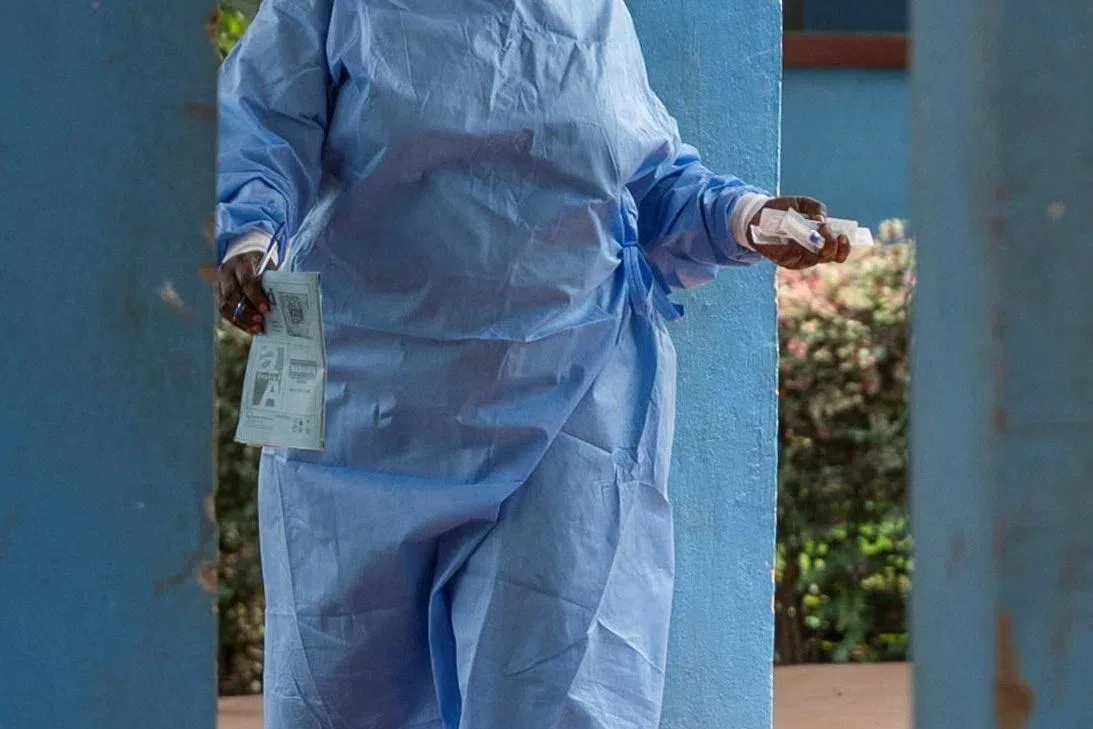
The outbreak has sparked violent protests in Ituri province, where locals have burned Ebola treatment tents and a hospital due to mistrust and refusal to surrender bodies for safe burial. Unsafe burials, where family members handle bodies without protective equipment, remain a leading cause of Ebola transmission [1, 4, 2]. The WHO declared the Bundibugyo Ebola outbreak an emergency of international concern on May 18, 2026 [4, 2].
The International Federation of Red Cross and Red Crescent Societies (IFRC) praised the volunteers, saying, "These volunteers lost their lives while serving their communities with courage and humanity." They remain committed to supporting communities and responding to the outbreak [2, 3].