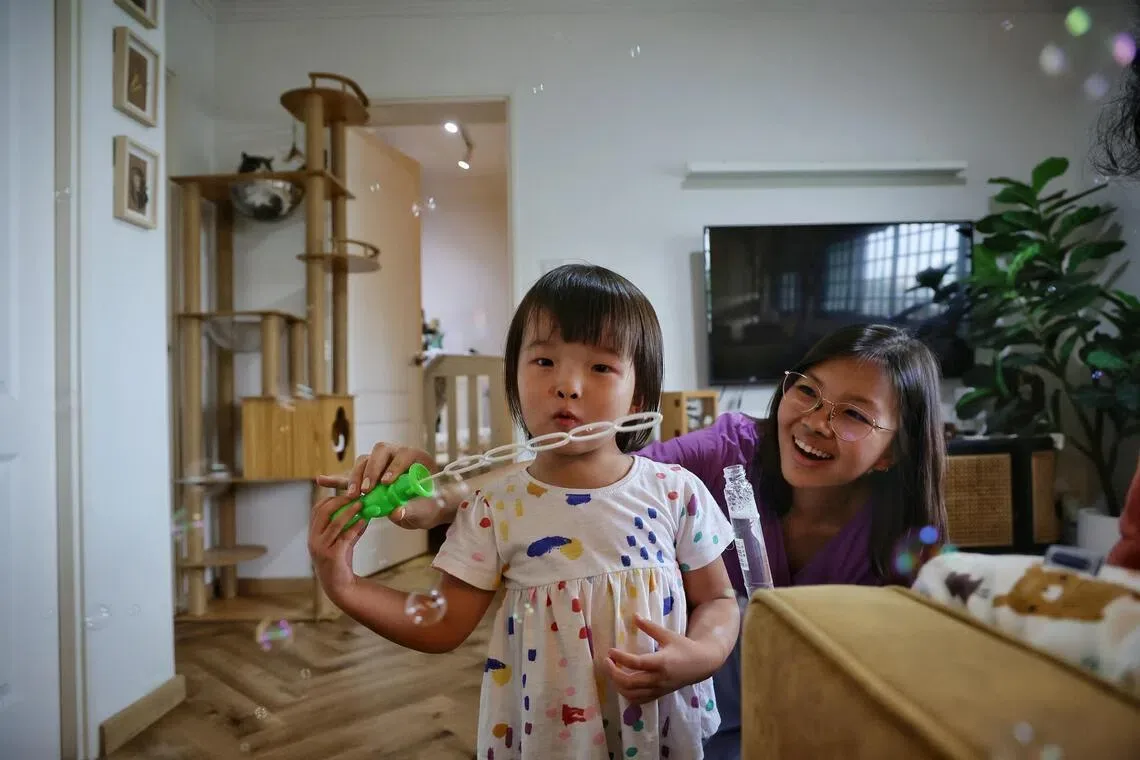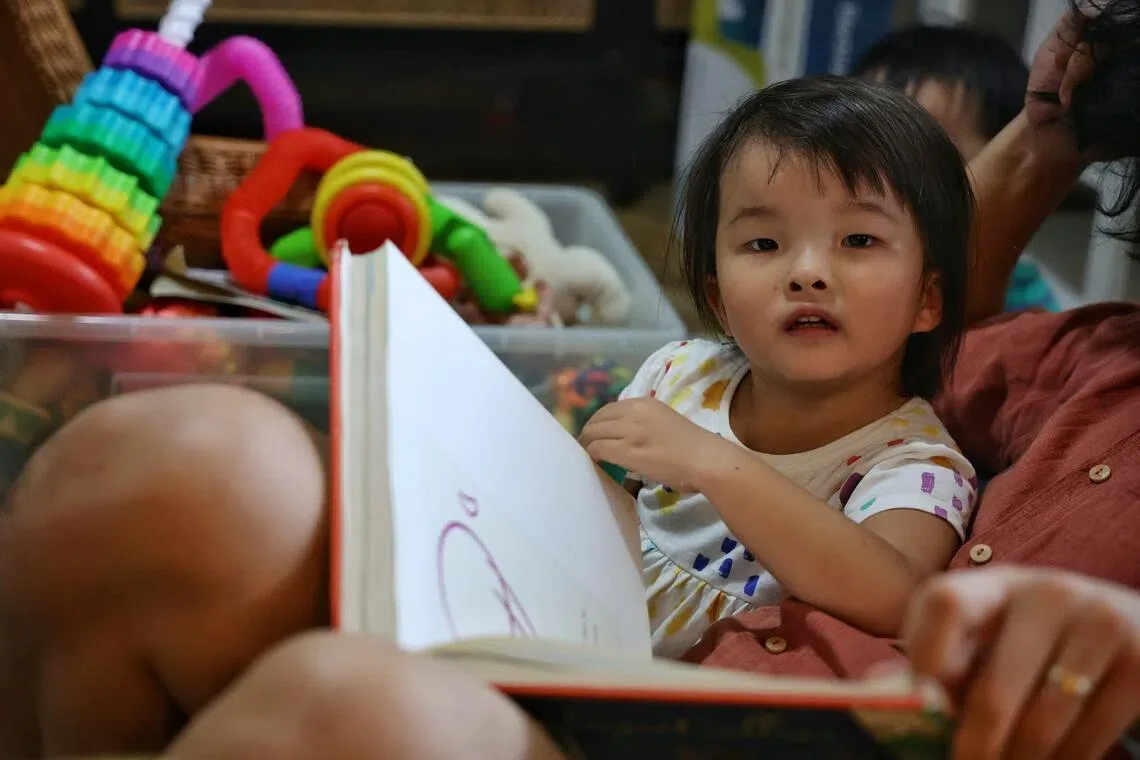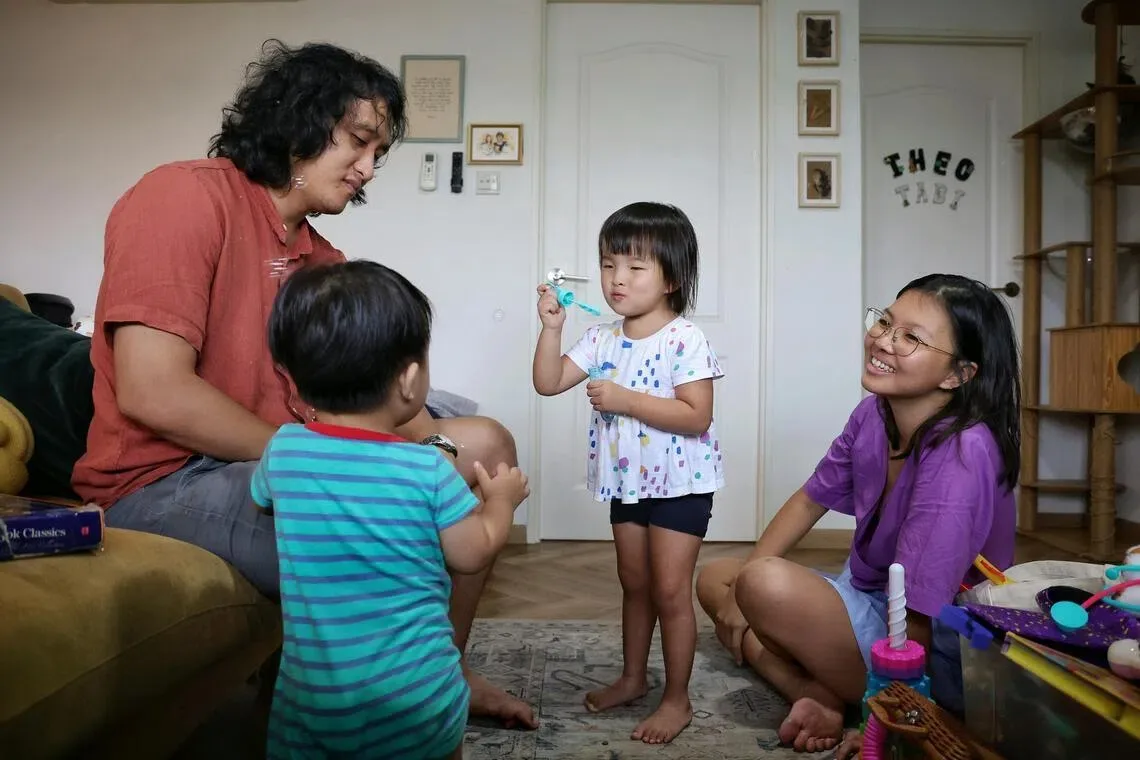
Tabitha, the daughter of Tiffany Tan, was diagnosed with Okur-Chung neurodevelopmental syndrome (OCNDS), a rare genetic disorder, following signs of developmental delay and extensive testing at KK Women’s and Children’s Hospital in Singapore [1, 2, 3].
OCNDS was first identified in 2016 and is caused by mutations in the CSNK2A1 gene, which affects nervous system development and protein production [1, 2, 3]. The condition is characterized by global developmental delays, mild to moderate intellectual disability, low muscle tone, behavioral challenges such as aggression and tantrums, smaller head size, and short stature [1, 2, 3].
Only three confirmed OCNDS cases have been identified in Singapore to date [1, 2, 3]. There is currently no cure for the disorder, so treatment focuses on managing symptoms and supportive care [1, 2, 3].
Tabitha's development was noticeably delayed from early infancy. She did not walk until age two and was smaller at birth than average. At seven months, she exhibited head shaking that initially raised concerns about seizures, but these were ruled out by her pediatrician [1, 2, 3]. Tabitha also showed a dislike for milk and other feeding challenges [1, 2, 3].
Her mother, Tiffany Tan, said she faced skepticism from relatives who dismissed her concerns as normal variation or anxiety. "When I brought this up, relatives told me it was normal for some babies to be slower and that I was too gancheong (Cantonese for anxious). I started to doubt myself, but it was after I posted my concerns on my Instagram account that friends, who are in the healthcare industry, told me usually a mother’s instinct is right, and that I should take her to a child development specialist," Tiffany said [1].
Following this advice, Tabitha underwent several developmental and genetic assessments before Dr Nikki Fong, a geneticist at KK Women’s and Children’s Hospital, confirmed the OCNDS diagnosis [1, 2, 3].
Tabitha’s parents are currently exploring education options to meet her needs. Due to the mild nature of her symptoms and challenges in finding appropriate schooling, they are considering homeschooling [1, 2, 3].