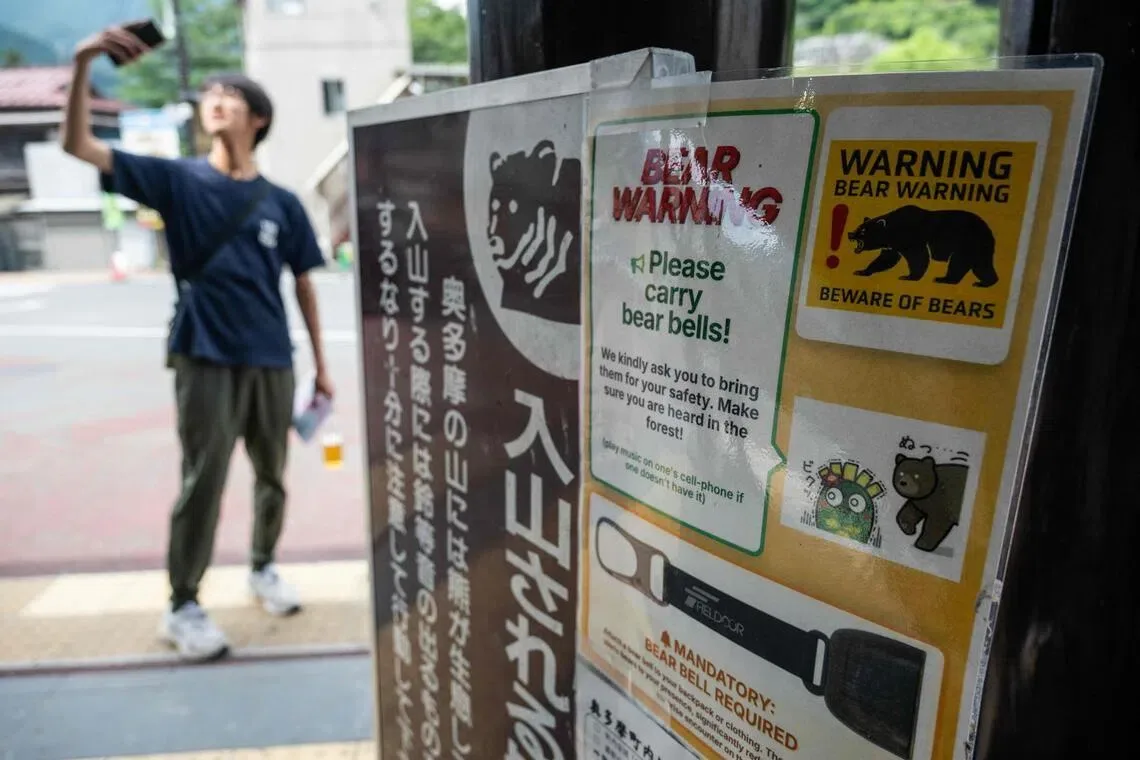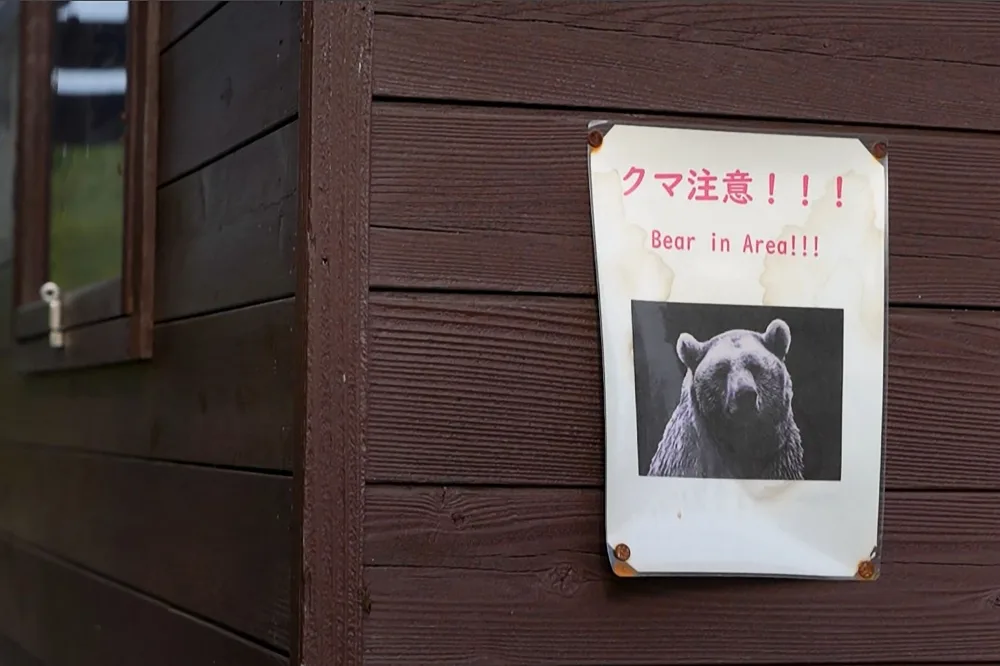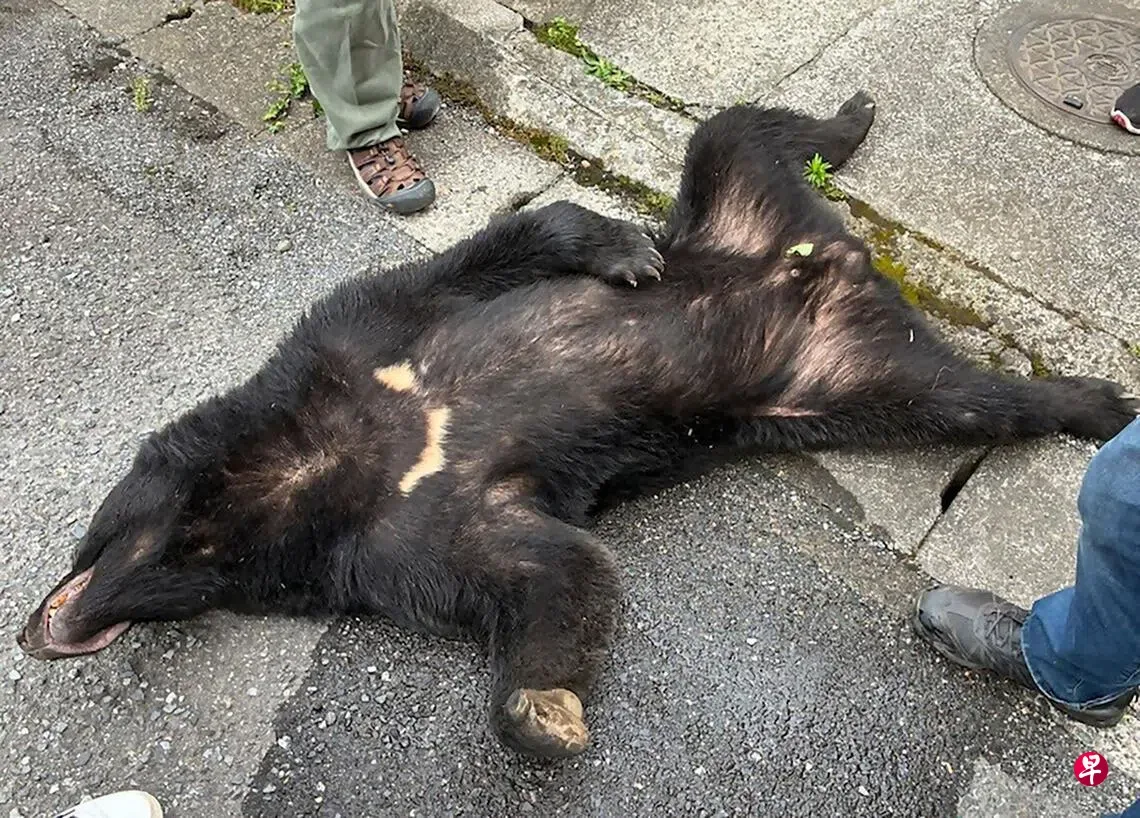
The Tokyo suburb of Hachioji will purchase 700 anti-bear sprays and install movable electric fences and high-pitched sound devices at schools and community centers. The city allocated 15 million yen (about S$120,700 or RM385,000) for these protective measures amid a sharp rise in bear incidents since April 2026 [1, 2, 3].
Hachioji has recorded 11 bear sightings or signs since April, including motion-activated footage caught near a residence on April 29 [1, 2, 3]. Across Japan, bear encounters have surged to over 50,000 reported nationwide in the fiscal year ending March 2026—more than twice the previous record set two years prior [1, 3].
Fatal bear attacks are also increasing. The fiscal year ending March 2026 saw a record 13 deaths caused by bears in Japan. An additional five fatalities and 20 injuries occurred between April 1 and May 30, 2026 [1, 2, 3].
In early June, all schools in Utsunomiya city north of Tokyo closed after a bear roamed urban areas for four days before being captured [1, 2, 3]. In Fukushima, a bear described as "extremely intelligent" opened a window, turned on a tap, attacked four people at two factories, and stayed at large for several days [1, 2, 3].
Local governments including Hachioji are clearing bushes along riverbanks and the edges of residential areas to prevent bears from entering urban zones [1, 2, 3]. Hachioji is also drafting a manual with police and hunters on how to respond if bears appear in neighborhoods. Ryosuke Sato, a local government spokesman, said, "By closely working with police and hunters, we are drafting a manual on how to deal with bears should they come to our streets" [1].
The rise in sightings and attacks has prompted Hachioji to strengthen school safety by investing in sprays and deterrent devices and working on community preparedness plans [1, 2, 3].