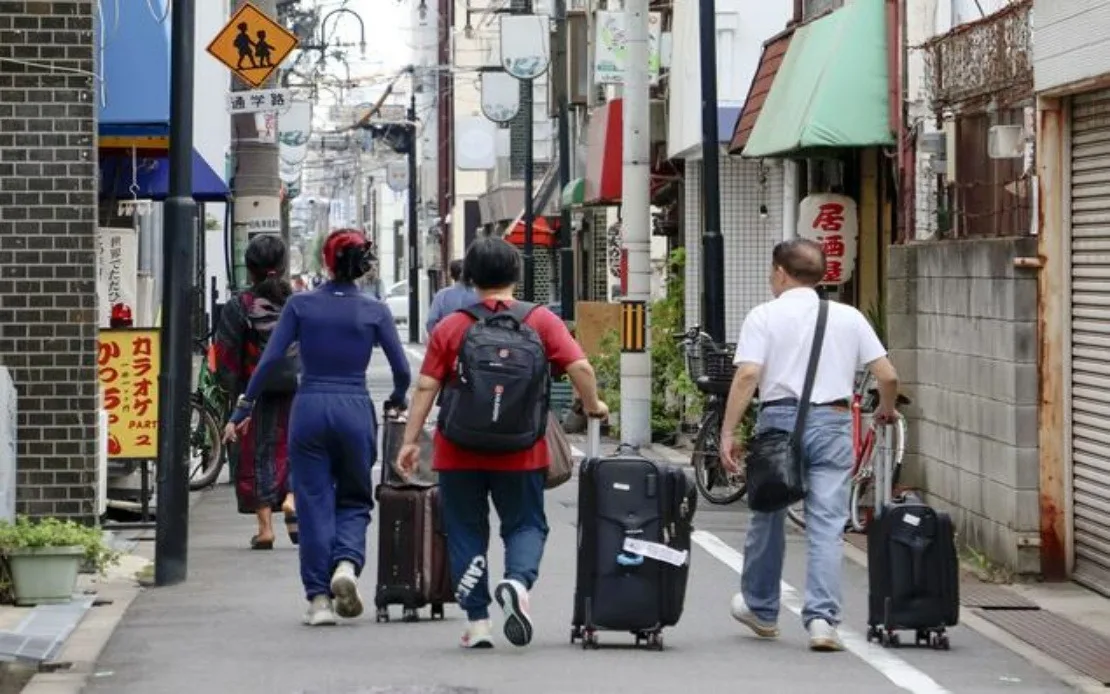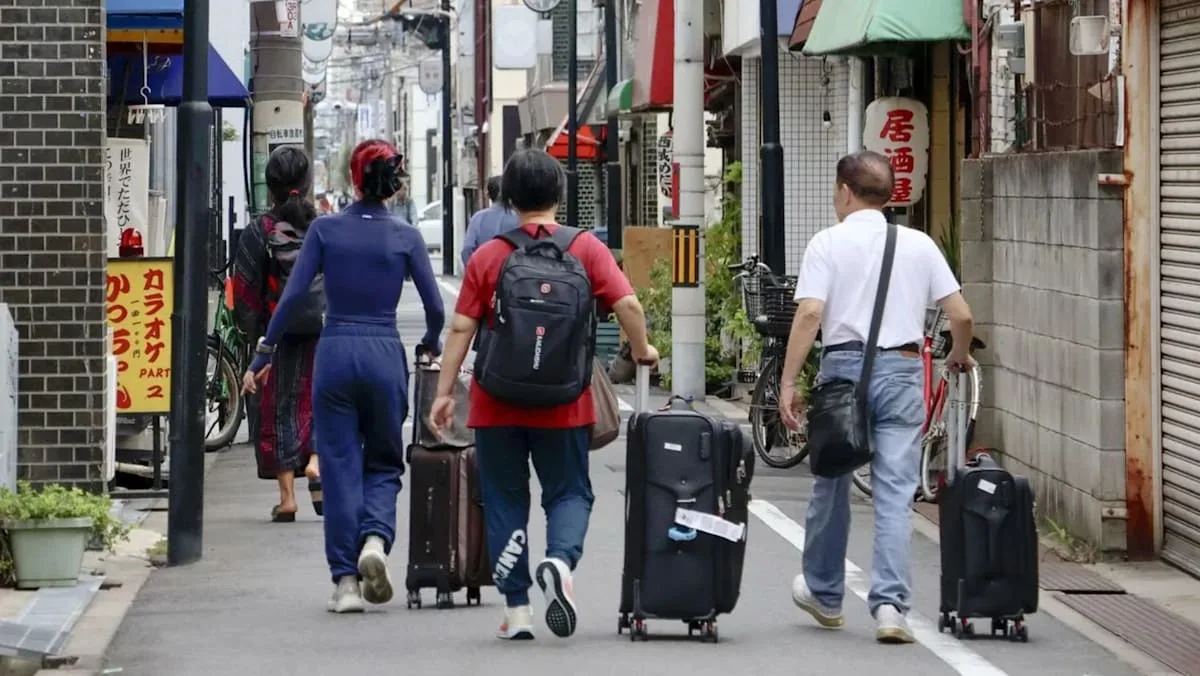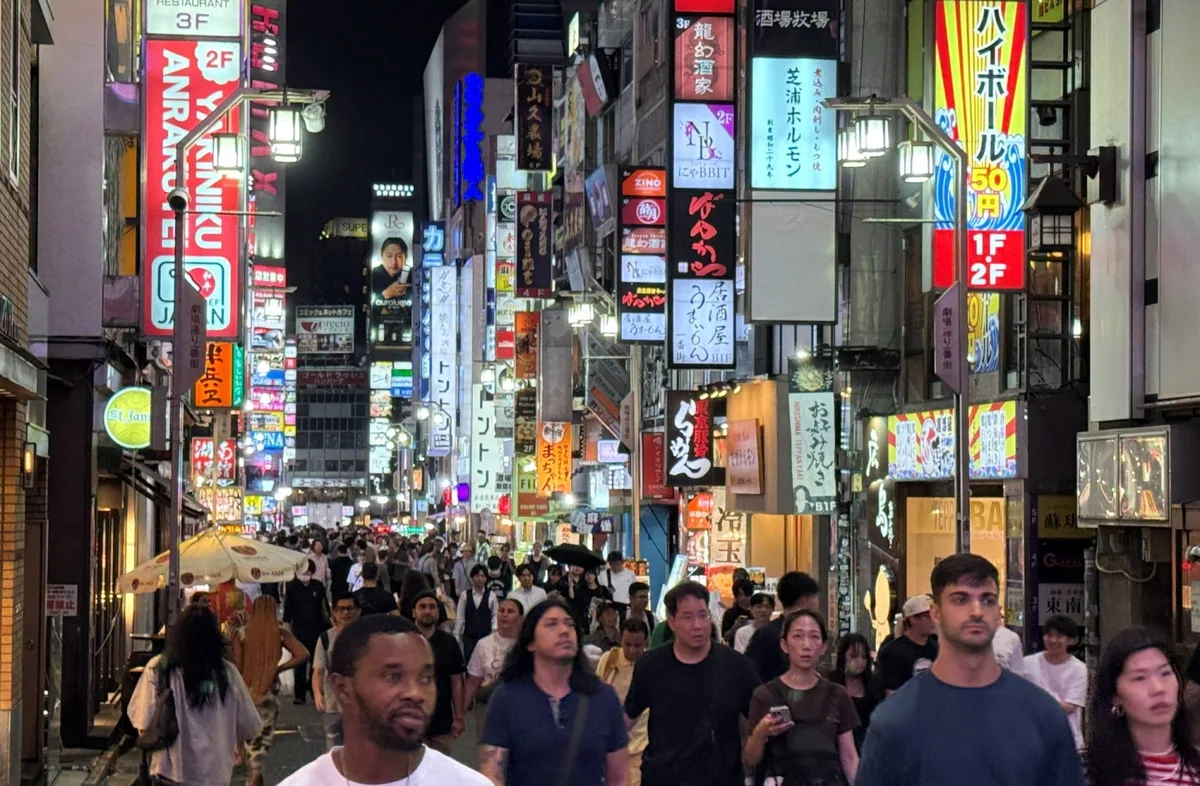
Shinjuku Ward in Tokyo announced it will ban short-term rentals, including Airbnb listings, in residential areas and near schools to address rising community complaints and disruptions [1, 2, 3, 4]. The restrictions will affect more than half of Shinjuku’s roughly 3,775 registered short-term rental units as of July 15, 2026, representing nearly 10% of Japan’s 42,000 nationwide inventory [1, 2, 4].
Complaints about short-term rentals in Shinjuku surged by about 40% in the fiscal year ending March 2026, reaching 1,334 cases compared to just 82 in 2021 [1, 3, 4]. Residents cited issues such as improper garbage disposal, violations of no-smoking rules, noise disturbances, and trespassing. One Shinjuku official said, "Many complaints are about the violation of trash disposal rules while others include smoking and trespassing," while a local resident added, "Many foreigners, including operators of private lodgings, don’t follow local rules. This area gets dirty because the way they dispose of trash is very messy" [4]. An American tourist commented, "The rules make sense, because of noise" [4].
Since December 2025, Shinjuku Ward has revoked licenses for five operators and 15 facilities, banning them from operating for three years [3]. The ward plans to reduce the maximum annual operating days for short-term rentals in commercial areas from 180 to 120 days [2]. Authorities will provide a grace period for existing operators to cease their current short-term rental business [2, 3].
The Japanese national government empowered local authorities in July 2026 to regulate short-term rentals deemed disruptive to living and educational environments [1, 2]. Kyoto is also considering a similar ban limited to new short-term rental units in residential and industrial zones [1].
Shinjuku Ward is scheduled to announce the new rules publicly on September 8, 2026, with a formal ordinance amendment planned to be submitted during the first regular ward assembly session in February 2027 [1, 2, 4].