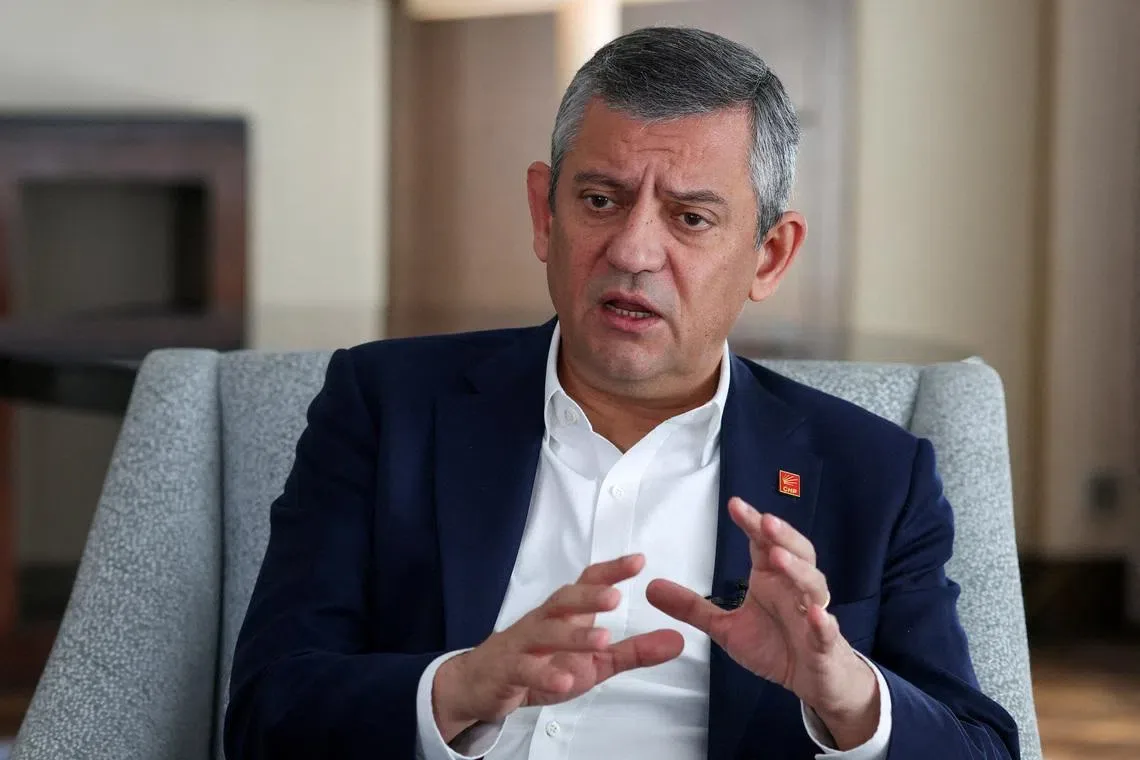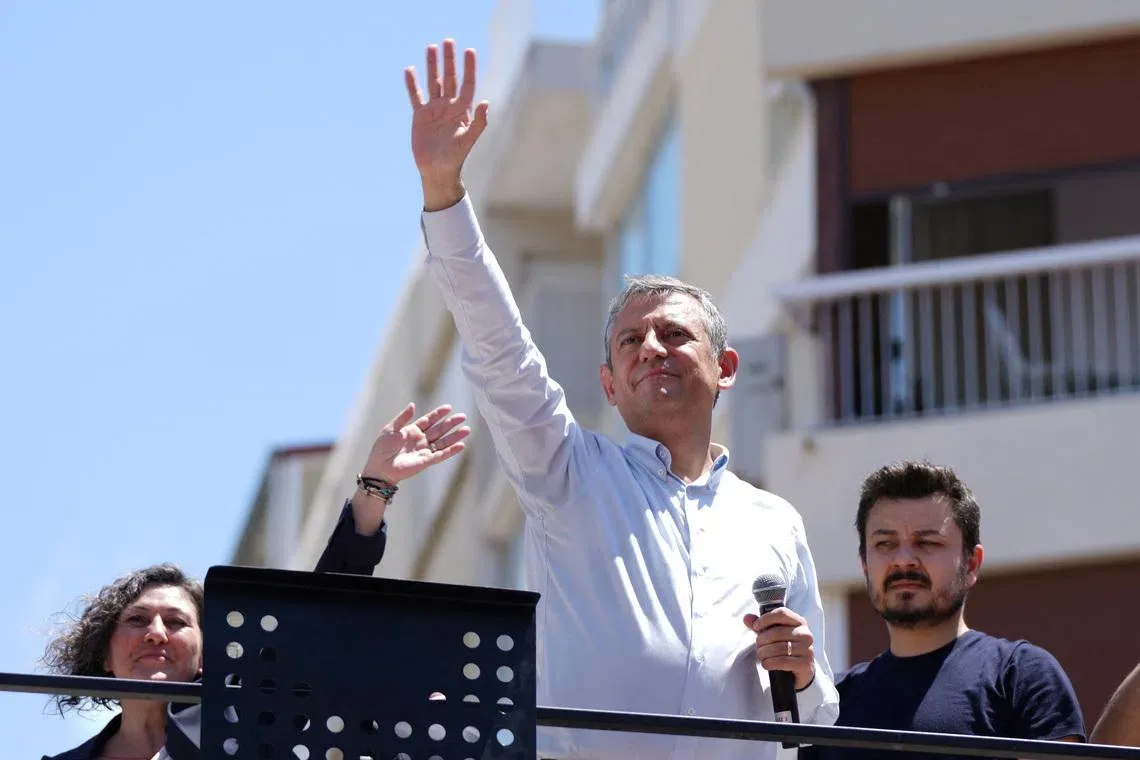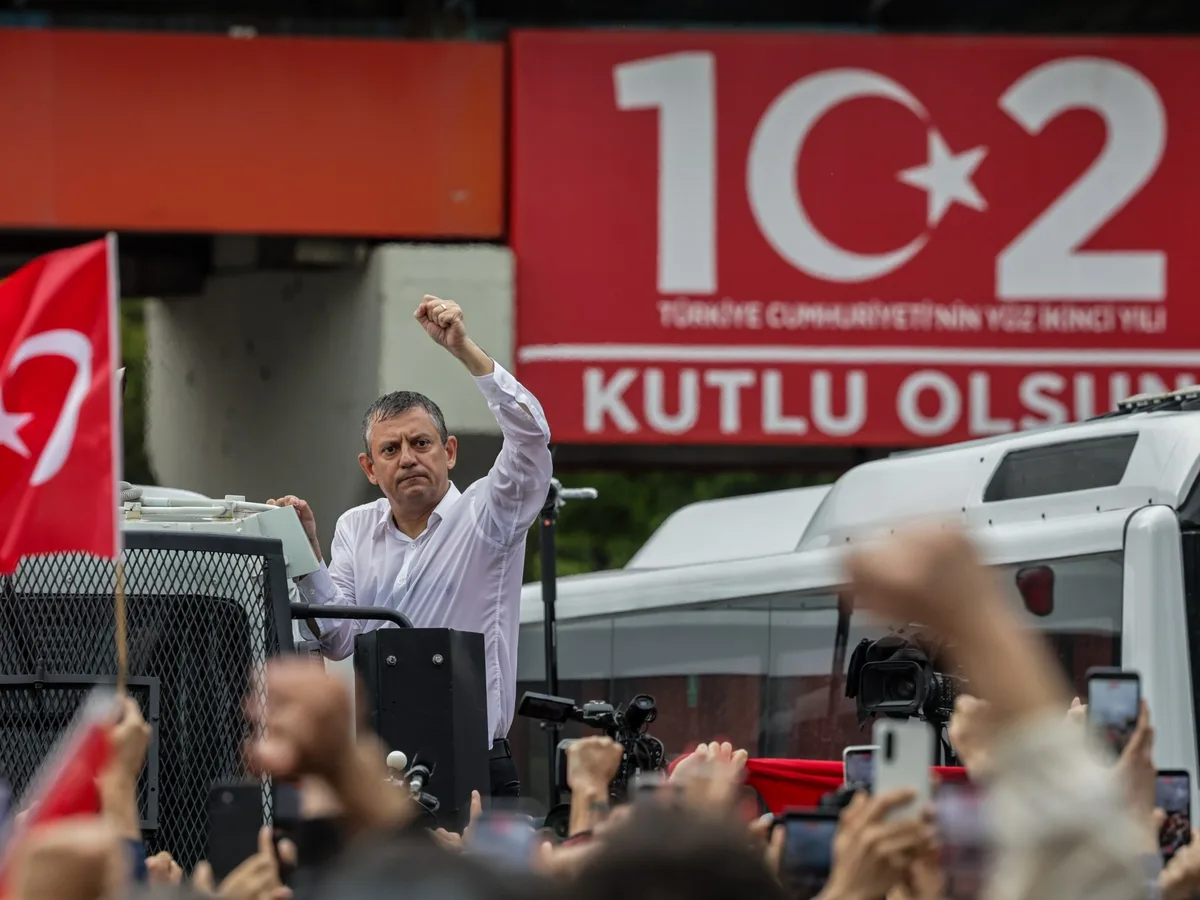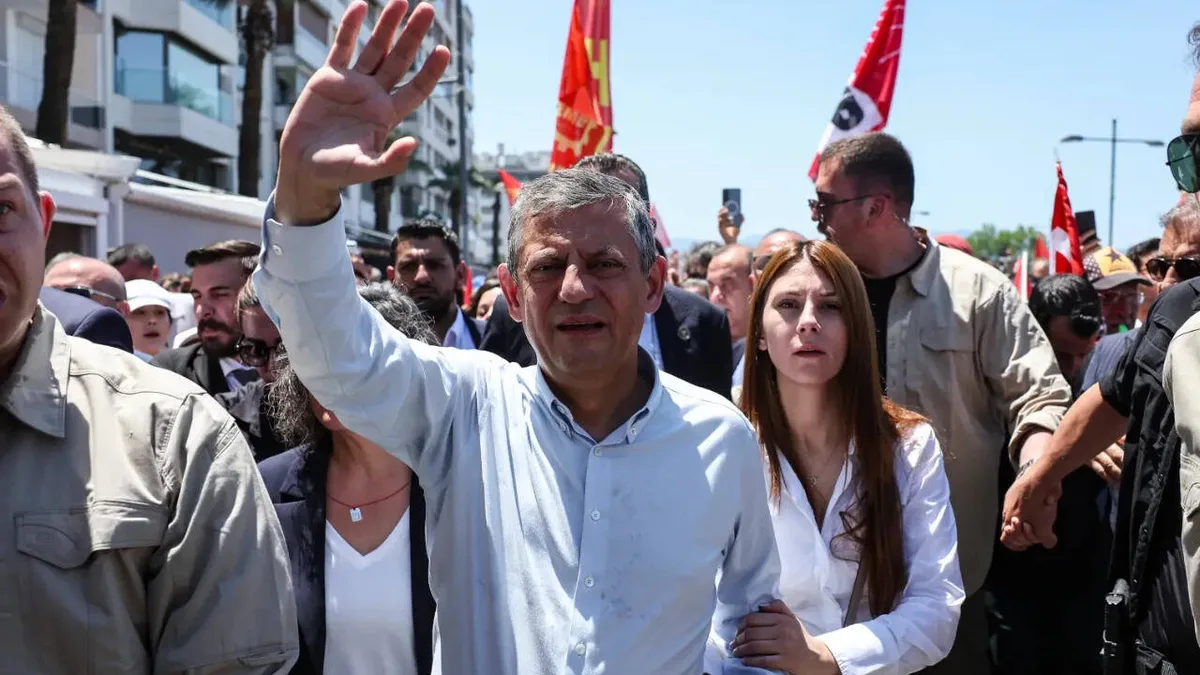
Ozgur Ozel, Turkey’s opposition leader, resigned from the Republican People's Party (CHP) and plans to form a new political party, following a May 2026 court ruling that annulled the CHP’s 2023 congress and stripped him of his chairmanship, reinstating former leader Kemal Kilicdaroglu [1, 2, 3, 4, 5].
Ozel announced his resignation and new party plans in parliament on July 21. He said, "Today, we are on the brink of a sad farewell that has become inevitable and whose time has come. However, we would like to share with the people that we carry the hope of a new beginning" [1]. He added, "We are establishing our new party by taking the first step together with the deputies chosen by our nation. These are the determined steps of a march toward governing Turkiye" [3]. The new party’s founding committee is expected to be mostly made up of parliamentarians, and the party is widely expected to be named "Yeni Parti" (New Party) [4, 5].
The court ruling sparked sharp criticism from Ozel and opposition supporters, who labeled it a politically motivated "coup" tied to President Recep Tayyip Erdogan’s crackdown on opposition forces. The Turkish government denied interfering, insisting the judiciary is independent [1, 3, 4, 5].
Since late 2024, CHP has faced an escalating legal crackdown, with dozens of elected officials arrested on corruption charges. About 27 CHP mayors are in custody, including Istanbul Mayor Ekrem Imamoglu, Erdogan’s top political rival, who has been imprisoned since March 2025 on multiple charges [1, 3, 5].
Ozel’s move is expected to trigger defections of most CHP voters and many of its 135 lawmakers to the new party, which is set to become the main opposition bloc in the 600-seat Turkish parliament [1, 3, 4, 5]. Currently, Erdogan’s AKP and its allies hold 328 seats, below the 360-seat threshold needed to call early elections. The next scheduled elections are in May 2028, but early polls could be triggered if a three-fifths majority is achieved; Erdogan could run again in that case [2].
At 51 years old, Ozel has criticized Erdogan extensively and has appealed the May court ruling at the Supreme Court [5]. The formation of the new party marks a critical shift in Turkey’s opposition landscape.
The legal and political situation remains fluid as Ozel and his allies take concrete steps to establish their party and consolidate parliamentary support in the coming months [5].