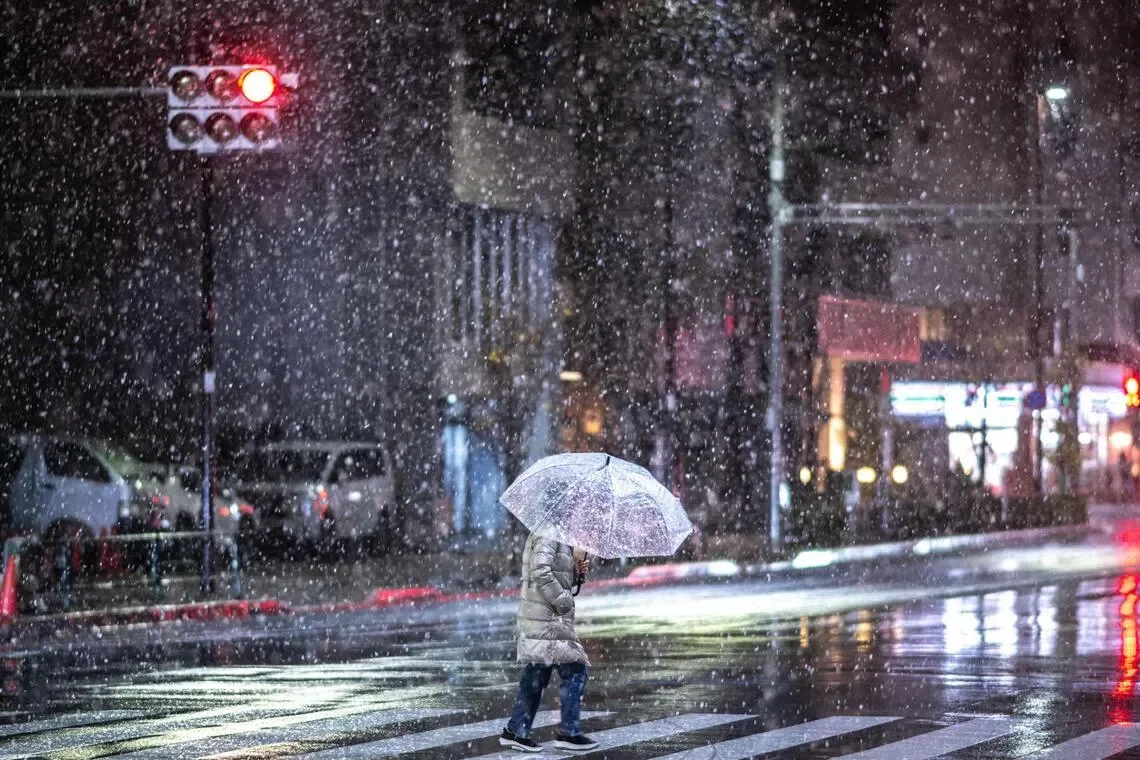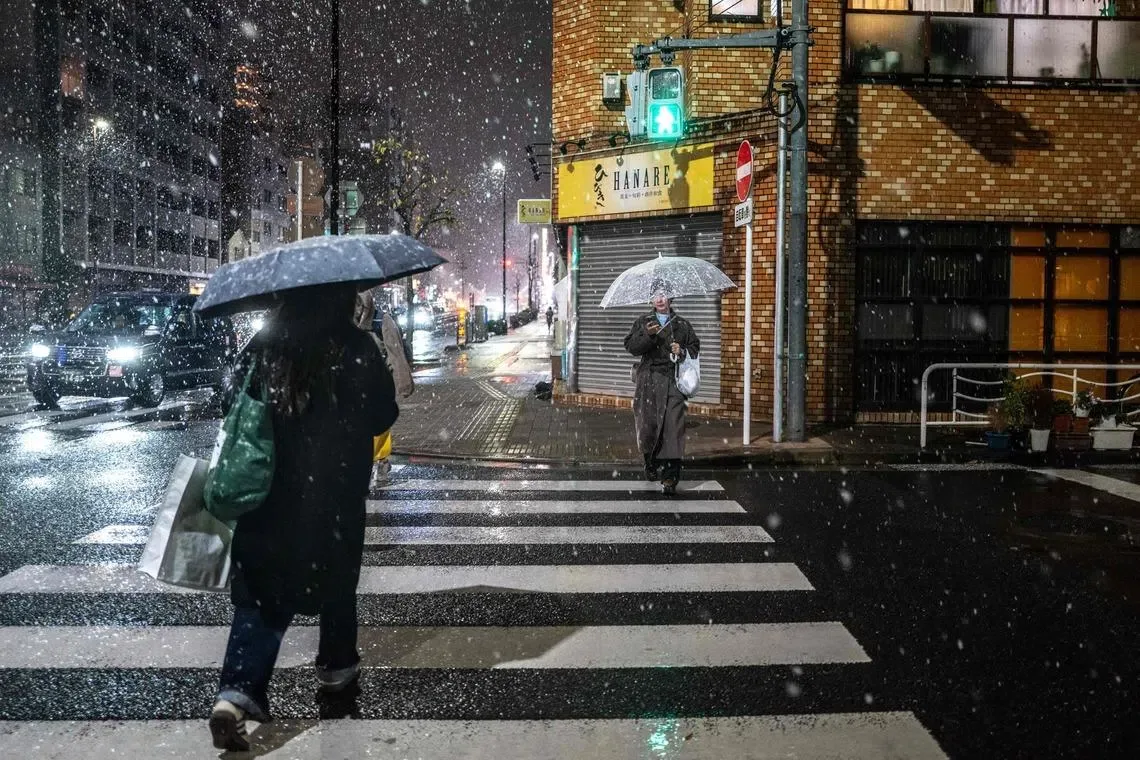
Typhoon Jangmi, the sixth typhoon of the season, brought strong winds and heavy rain to Okinawa, the Amami Islands, Kyushu, Shikoku, and parts of western and eastern Japan along the Pacific coast between June 1 and June 3 2026 [1, 2, 3, 4, 5, 6, 7, 8].
The storm approached Okinawa and the Amami Islands on June 1 and 2, then moved north toward Kyushu on June 2 before shifting east towards western and eastern Japan on June 3 [1, 2, 4, 5, 6, 7, 8]. Around June 2, Jangmi was near Amami-Oshima or Miyazaki, moving north-northeast at 25 to 40 km/h with sustained winds of approximately 30 m/s (110 kph) and gusts up to 40 m/s (144 kph) [3, 4, 5, 9, 7, 8].
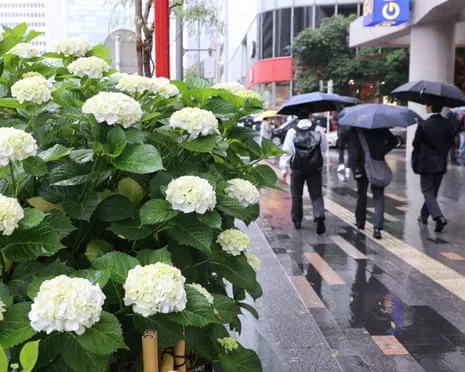
The Japan Meteorological Agency warned of "violent winds, storm surges, landslides, flooding, and overflowing rivers" in affected areas. They cautioned that heavy rain could fall from Kyushu to the Kanto region, including Tokyo, along the Pacific coast through June 3, with some areas expected to see 200 to 300 mm of rain due to a stalled front north of the typhoon [1, 2].
Rainfall forecasts included 100 mm by noon June 1 in Okinawa; 300 mm by noon June 2 across Okinawa, Amami, and southern Kyushu; and 300 mm in Shikoku and Kansai and 200 mm in Tokai and Kanto by noon June 3 [1, 2, 10]. Miyazaki city in Kyushu recorded over 300 mm of rainfall in 24 hours on June 2 [5, 11, 9].
At least 16 people were injured in Okinawa due to the typhoon, including one man electrocuted while restoring a power line, as local authorities reported [5, 11, 9]. Four additional injuries were reported in Okinawa prefecture on June 1 from falls and related incidents [4, 8].
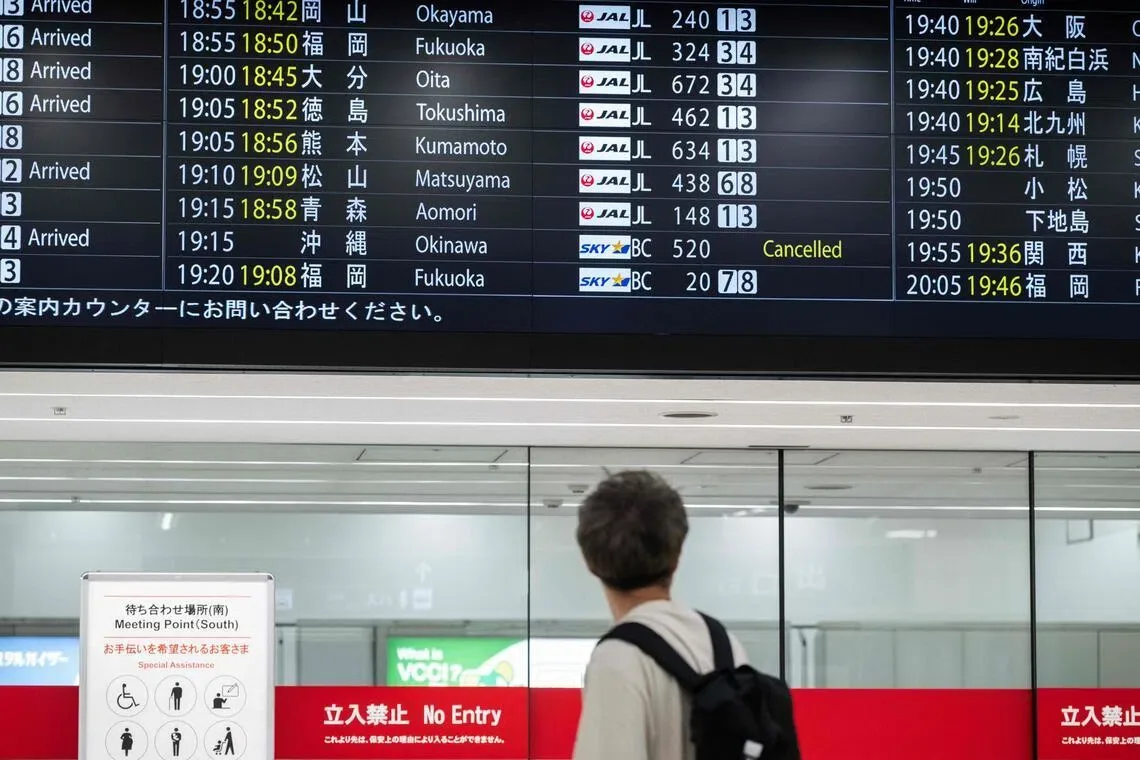
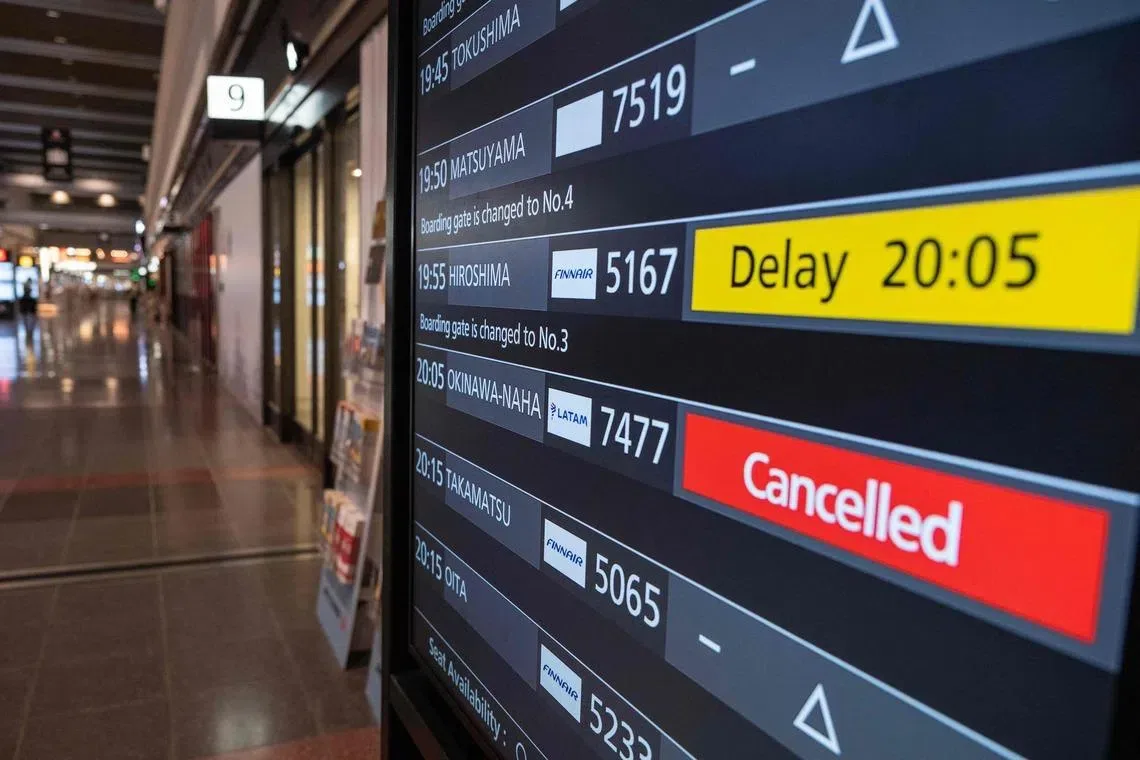
Flight disruptions were widespread. More than 580 domestic and international flights were cancelled across Japan on June 3, mainly by Japan Airlines and All Nippon Airways, affecting about 80,000 people [5, 11, 9]. Singapore Airlines also cancelled or rescheduled at least 14 flights between Singapore and Japan on June 2 and 3, with the airline noting the situation remained fluid and further changes possible [12]. Japan Railway bullet trains are expected to face disruptions as the storm worsens [12].
The Japan Meteorological Agency issued the initial warnings on May 31 and maintained forecasts of heavy rain and disruptions through June 3 [1, 2, 10]. On June 3, although Typhoon Jangmi was expected to weaken, heavy rain was forecast to continue in western and eastern Japan, including the Shikoku, Kansai, Tokai, and Kanto regions, with ongoing flight and public transport cancellations anticipated [1, 2, 10, 5].