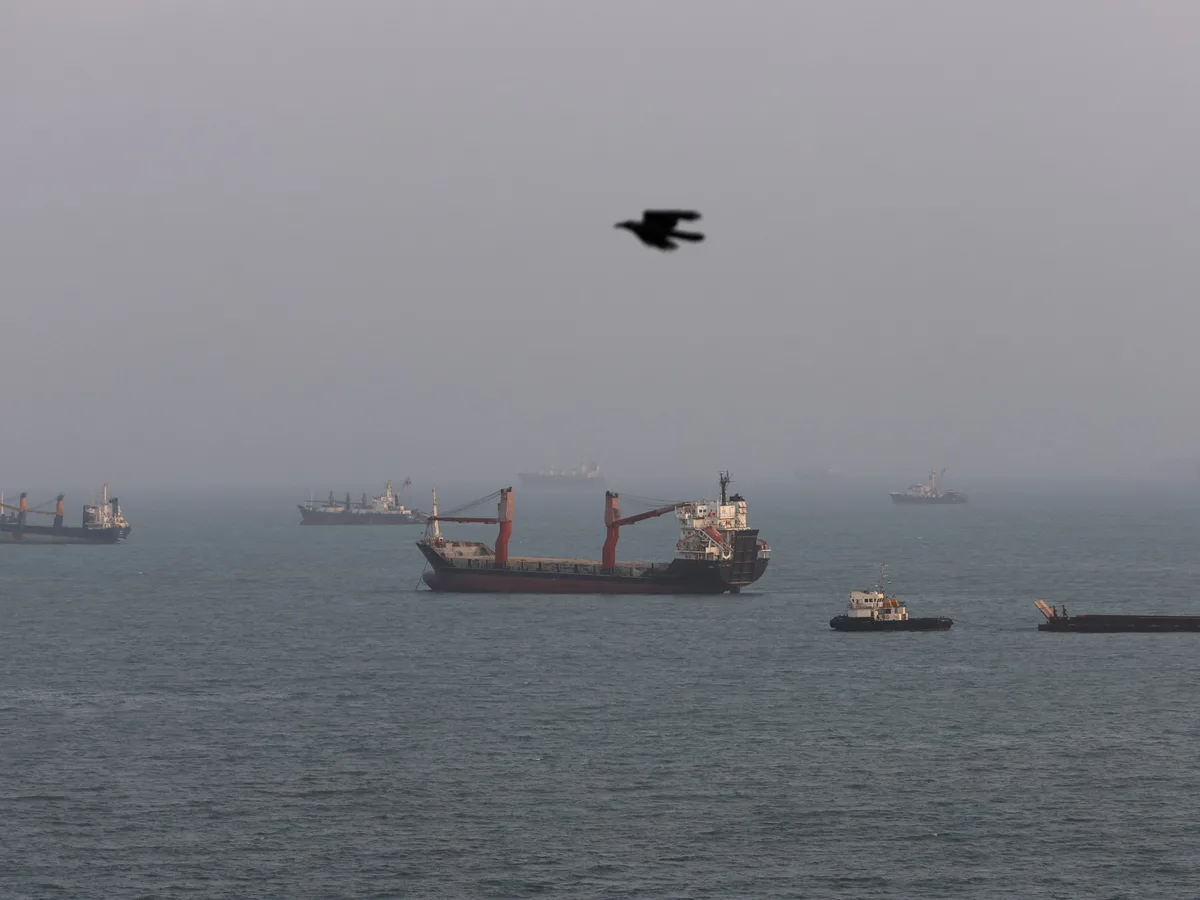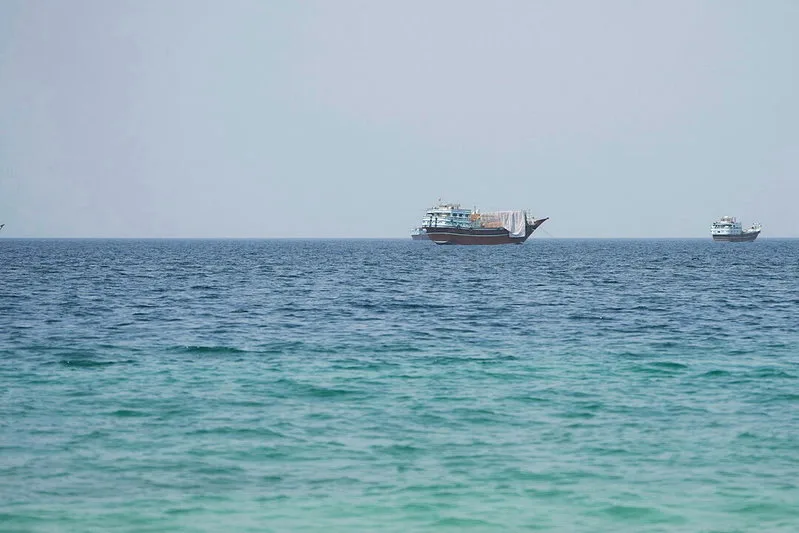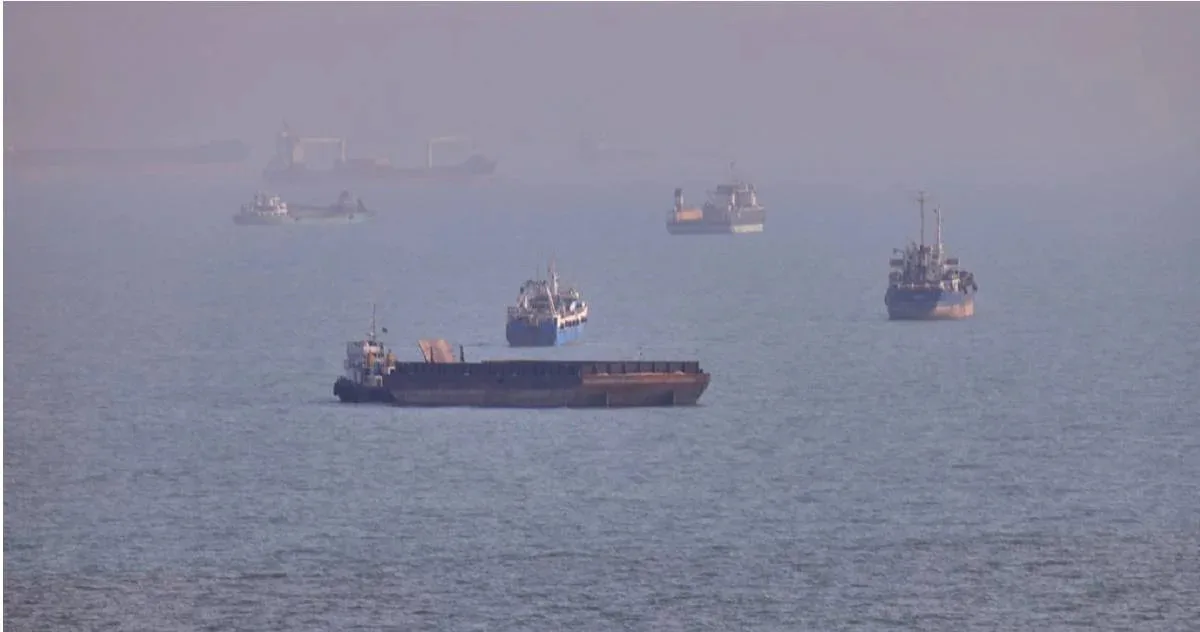
Two vessels belonging to the Abu Dhabi National Oil Company (ADNOC) came under attack while transiting the Strait of Hormuz on August 13, 2026, with no injuries reported, according to multiple sources [1, 2, 3, 4, 5, 6, 7]. The United Arab Emirates (UAE) immediately accused Iran and specifically the Islamic Revolutionary Guard Corps (IRGC) of executing the attacks, labeling the actions as hostile acts and piracy [1, 2, 3, 4, 8, 5, 6, 7]. The UAE Foreign Ministry condemned the attacks, stating, "Iran's Islamic Revolutionary Guard Corps committed acts of piracy by targeting commercial shipping and using the strait as a tool of economic pressure or blackmail, posing a direct threat to regional stability and global energy security" [1].
This incident marks the second attack on ADNOC vessels in less than a week, following a similar assault on August 8, 2026 [1, 2, 3, 4, 5, 6, 7]. Since the conflict involving the US and Israel against Iran began on February 28, 2026, a total of 15 ADNOC vessels have been targeted while passing through the strategic waterway [3, 7]. The Strait of Hormuz remains critical for global energy supply, with about 20% of the world’s oil and liquefied natural gas shipments passing through it before the conflict [1, 6].
No further details have emerged about the condition of the vessels, their cargo, or any damage from the recent attacks. No injuries were reported among crew or personnel [1, 2, 3, 4, 5, 6, 7]. Iran has not publicly responded to the UAE’s accusations regarding the August 13 incident as of now [1, 2, 3, 4, 5, 6, 7]. However, Iran’s Revolutionary Guards have previously warned of action against vessels linked to adversaries of Tehran or those who fail to comply with Iranian directives in the Strait of Hormuz [1, 3, 7].
Shipping through the strait has faced repeated disruptions since February, causing freight rates to rise and stoking security concerns in a vital corridor for global energy trade [1, 3, 6]. The UAE Foreign Ministry has called for the complete and unconditional reopening of the Strait of Hormuz to maintain regional security and ensure the uninterrupted flow of energy supplies worldwide [8].
The persistent attacks and mounting tensions highlight the ongoing security challenges in the Strait of Hormuz, a flashpoint for geopolitical rivalries. Further developments will depend on regional diplomatic efforts and any responses from Tehran.