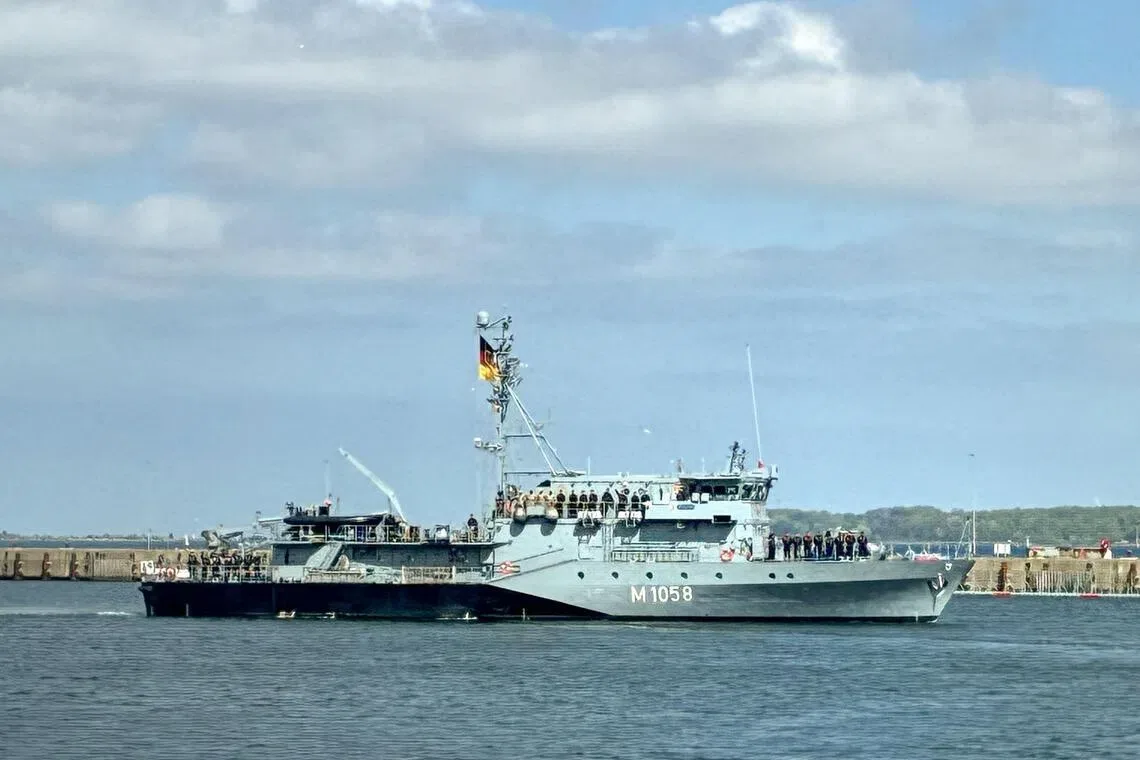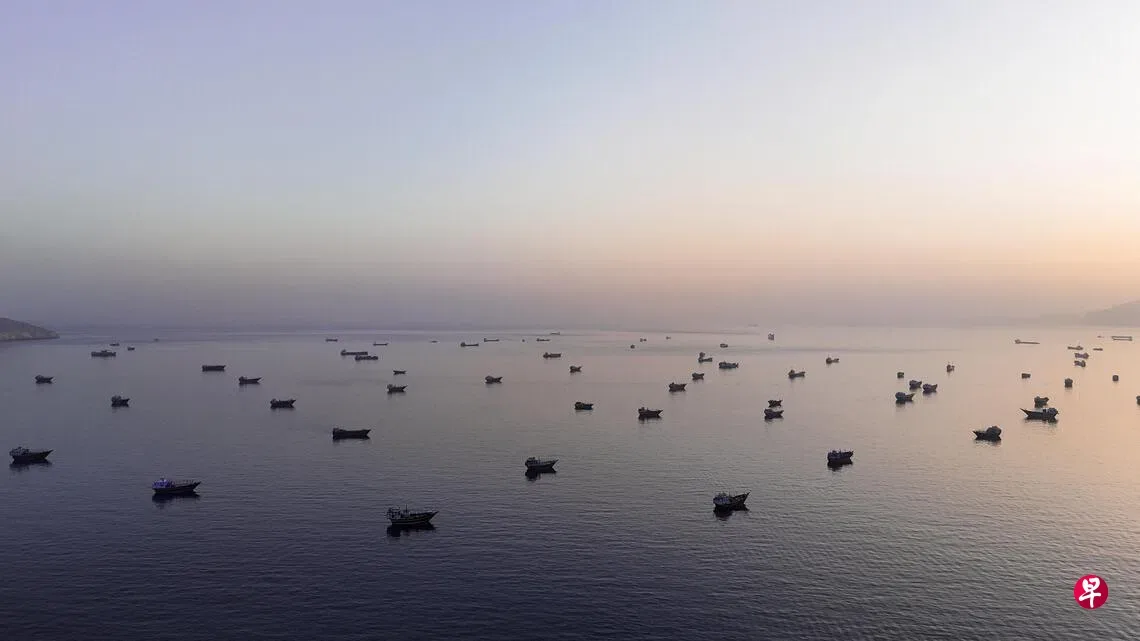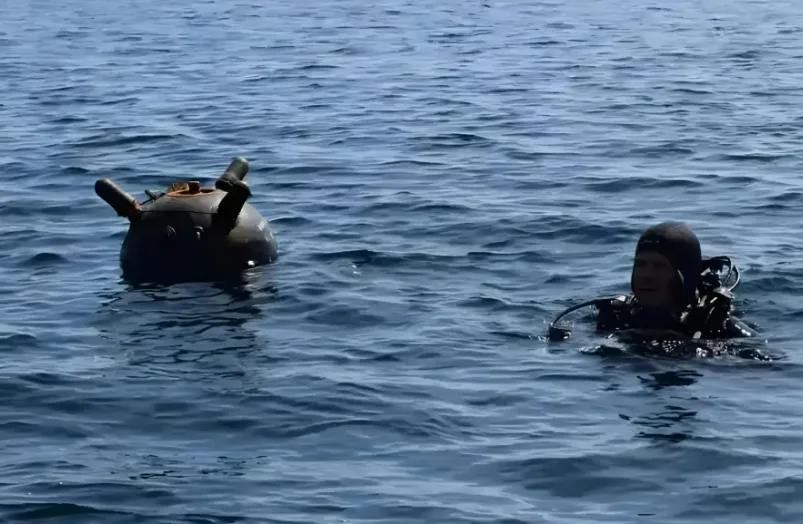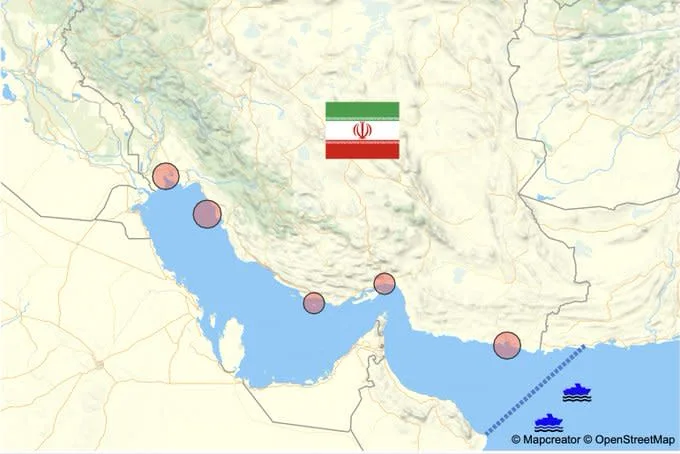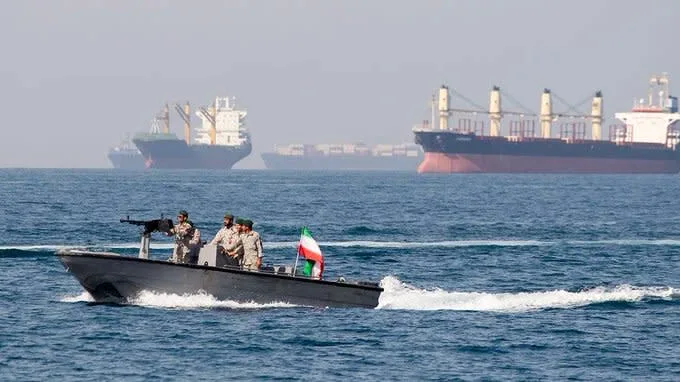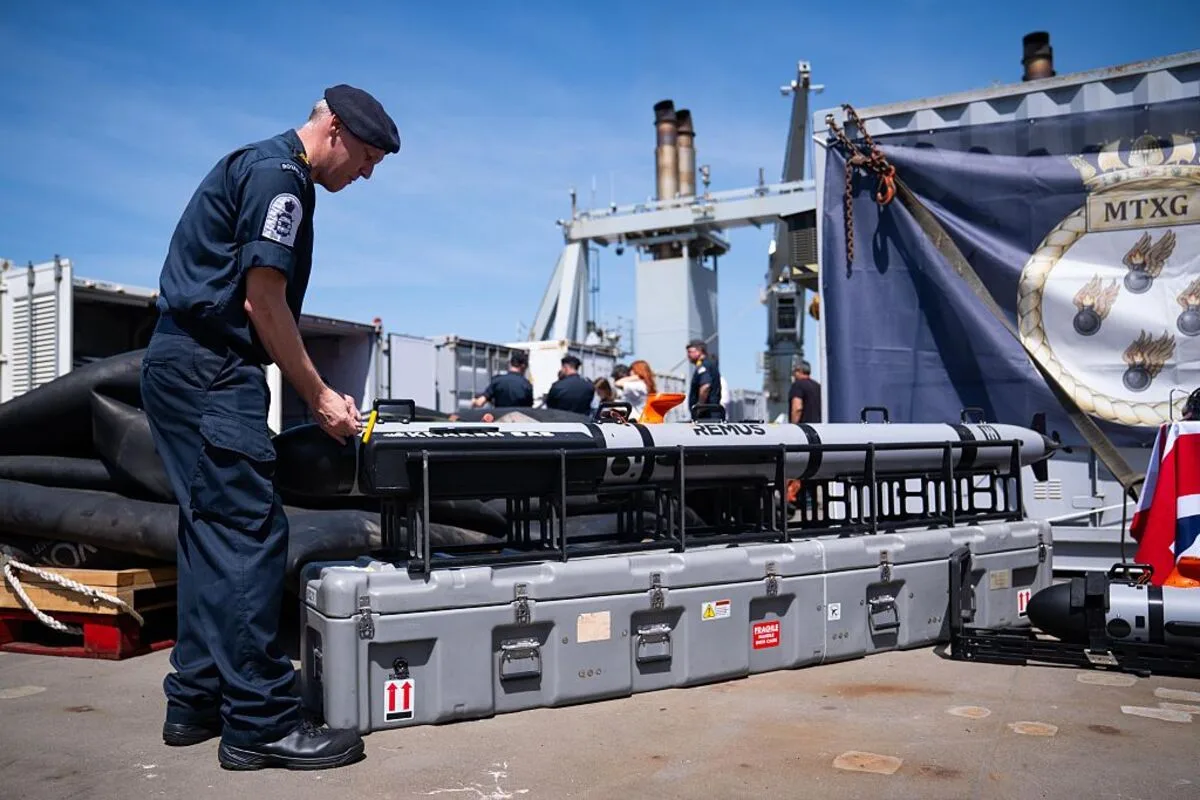
The UK and France have finalized plans to lead a multinational mission to clear naval mines from the Strait of Hormuz, following an agreement this week between the United States and Iran aimed at reopening the strategic waterway [1, 2, 3, 4].
The mine-clearing operation will include military personnel and equipment from 15 countries that have committed to the coalition. Additional countries and support ships may join the mission weeks after it begins [2, 3, 4].
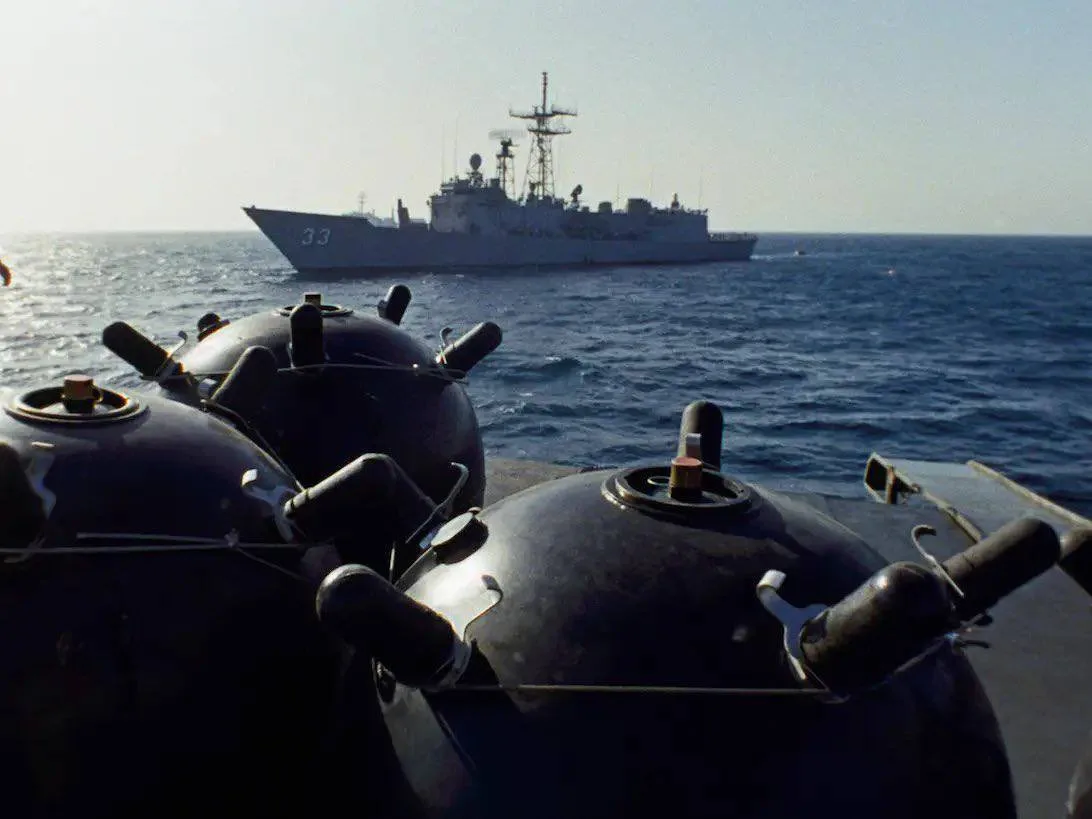
Iran’s Islamic Revolutionary Guard Corps laid the naval mines blocking the Strait, which remains at a near-standstill due to recent clashes between the US and Iran and ongoing difficult negotiations over restoring maritime traffic to prewar levels [1, 2, 3, 4].
The UK and France do not trust Iran to clear the mines themselves, citing Tehran’s lack of capability. British and French officials said they will lead the operation while maintaining communication channels with Iran on operational matters [2, 4].
US President Donald Trump stated on June 3 that the US had removed most Iranian mines and that the Strait would reopen immediately once Iran signs a memorandum to end hostilities. "We had gotten most of them. The Strait will reopen immediately once Iran signs a memorandum of understanding to end hostilities," Trump said [3, 4]. However, Iran’s Foreign Minister Abbas Araghchi reported on June 4 that US-Iran negotiations had made no progress [3].
US Secretary of State Marco Rubio also told US senators that Iran had extensively mined the Strait, complicating efforts to reopen commercial navigation [3].
European powers aim to play a key role in maintaining stability in the Persian Gulf should the US and Iran reach an agreement ending hostilities [3]. Deployment of mine-clearing forces will begin only after the US and Iran finalize a deal permitting full, unimpeded commercial navigation and a safe environment for military operations in the Strait [2, 3, 4].