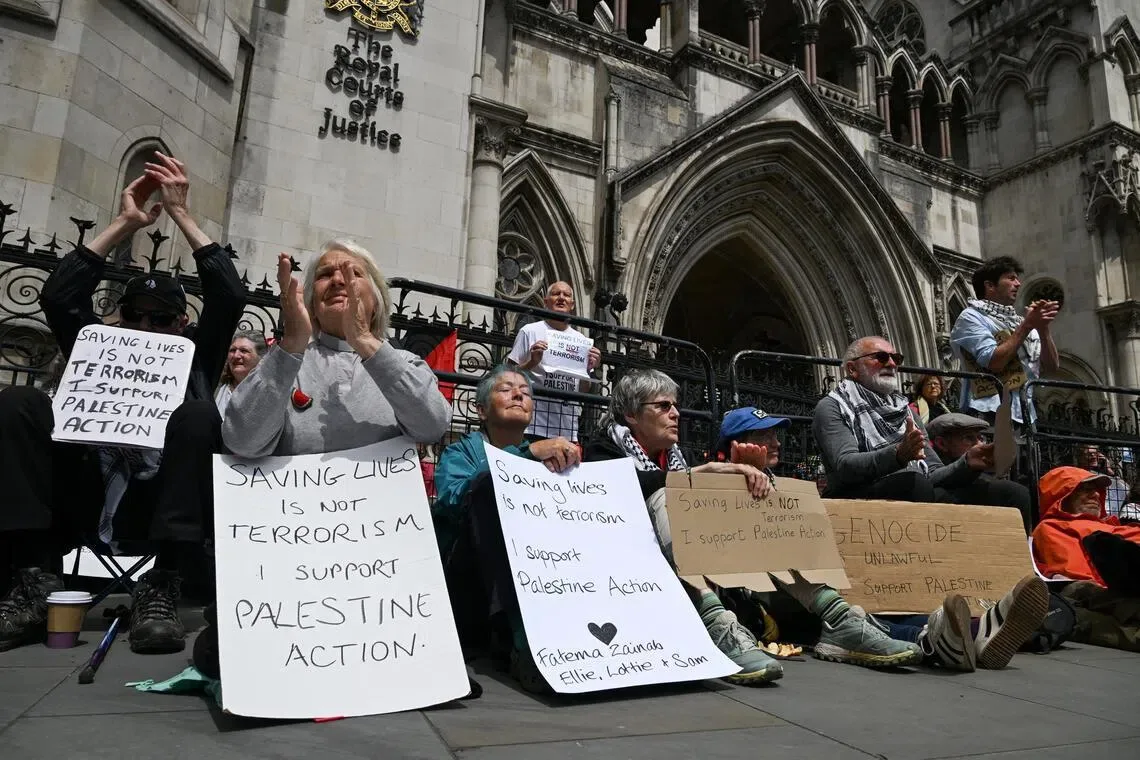
London's Appeals Court upheld the British government’s ban on the activist group Palestine Action on June 15, 2026, affirming its classification as a terrorist organization under the Terrorism Act [1, 2]. The ban criminalizes membership or support for the group and carries penalties of up to 14 years in prison [1].
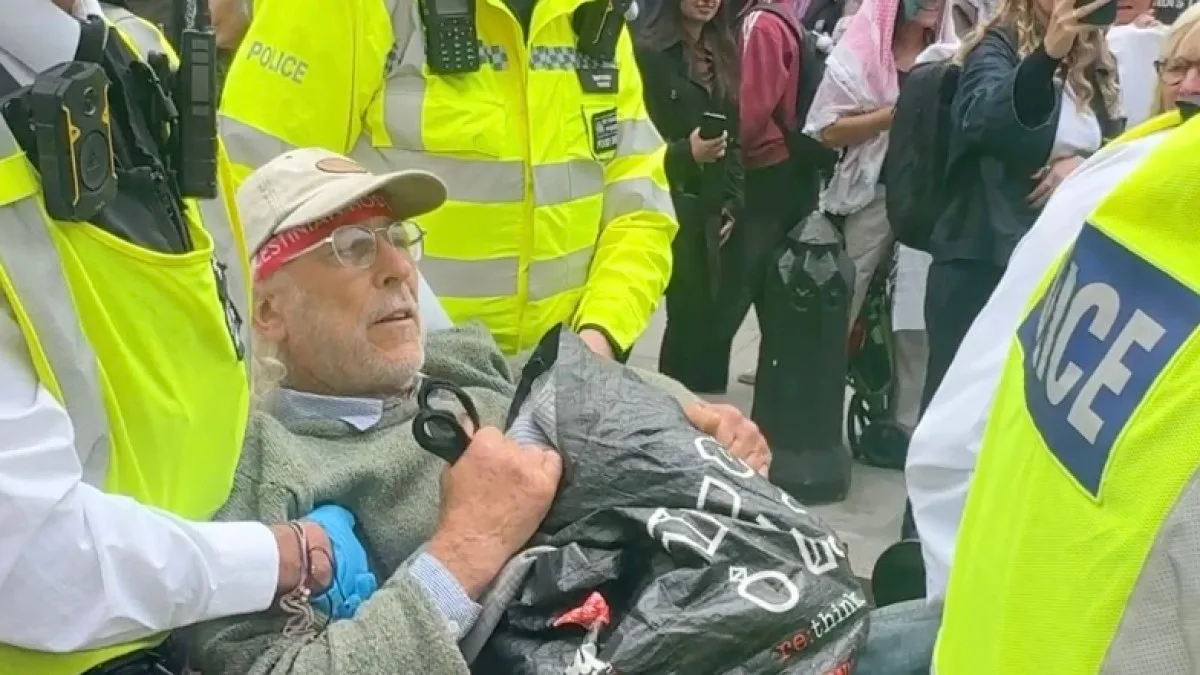
The ban sparked around 3,000 arrests of supporters, ranging from students to an 83-year-old retired vicar [1]. The group, formed in 2020, aims to end global involvement in Israel’s policies and gained prominence following the deadly Hamas attack on southern Israel on October 7, 2023 [1]. Palestine Action primarily targets British weapons factories linked to the Israel-based defense company Elbit [1].
The UK government has placed Palestine Action on its terrorism blacklist alongside groups like Hamas and Hezbollah [1]. The High Court initially ruled in February 2026 that the ban was disproportionate and violated human rights, siding with the group [1, 2]. However, this was overturned by the Appeals Court in June, which ruled the ban lawful and justified [1, 2].
Judge Sue Carr described Palestine Action as "not, as it claims, a direct action civil disobedience protest group like the suffragettes operating transparently in the open. It is a covert organisation operating with secret cells to avoid the detection and prosecution of those using violence to destroy the property of third parties" [1]. British Foreign Secretary Yvette Cooper said, "It’s really important that no one is in any doubt that this is not a non-violent organisation" [1].
The government ban officially came into force on July 5, 2025, criminalizing activity with the group [1]. The Palestine Action network continues to face significant enforcement efforts following the Appeals Court decision.