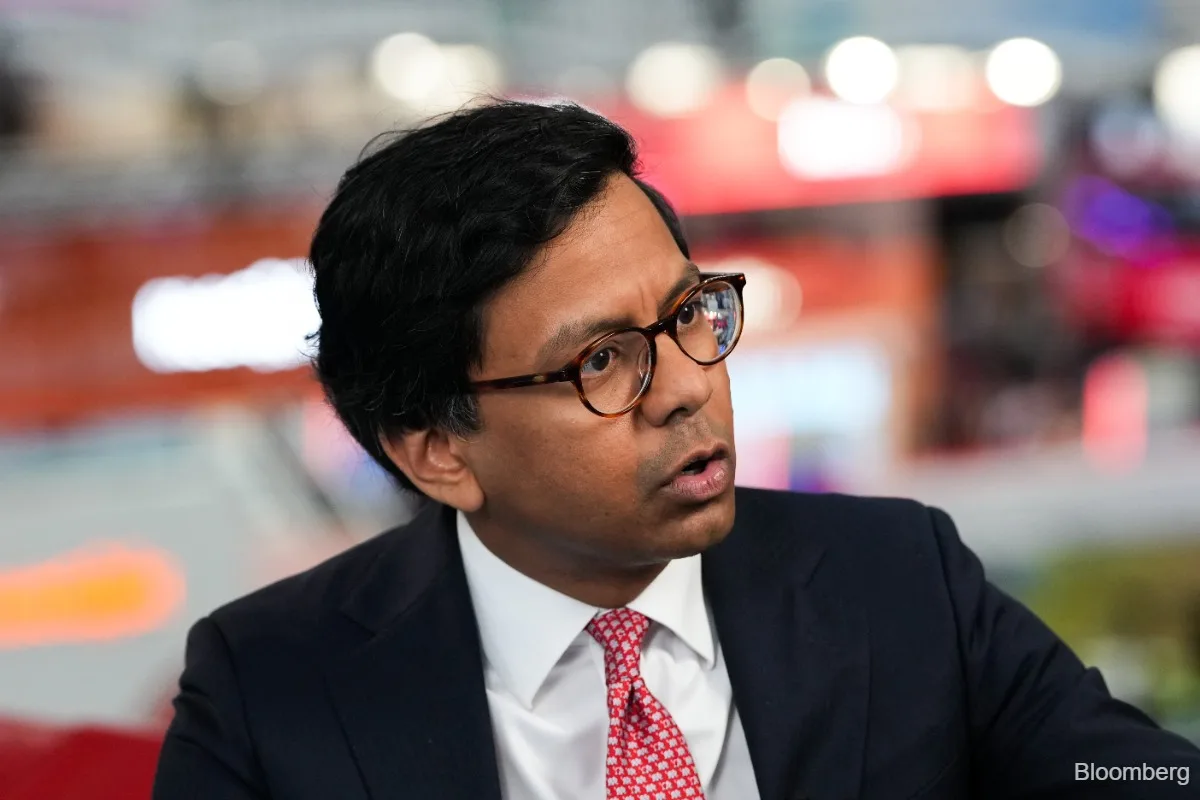
Andy Burnham became UK prime minister on July 20, 2026, and appointed Kanishka Narayan as minister for artificial intelligence, elevating the role to Cabinet for the first time [1, 2, 3]. Narayan previously served as minister for AI and online safety starting in September 2025 under former Prime Minister Keir Starmer [1, 2, 3].
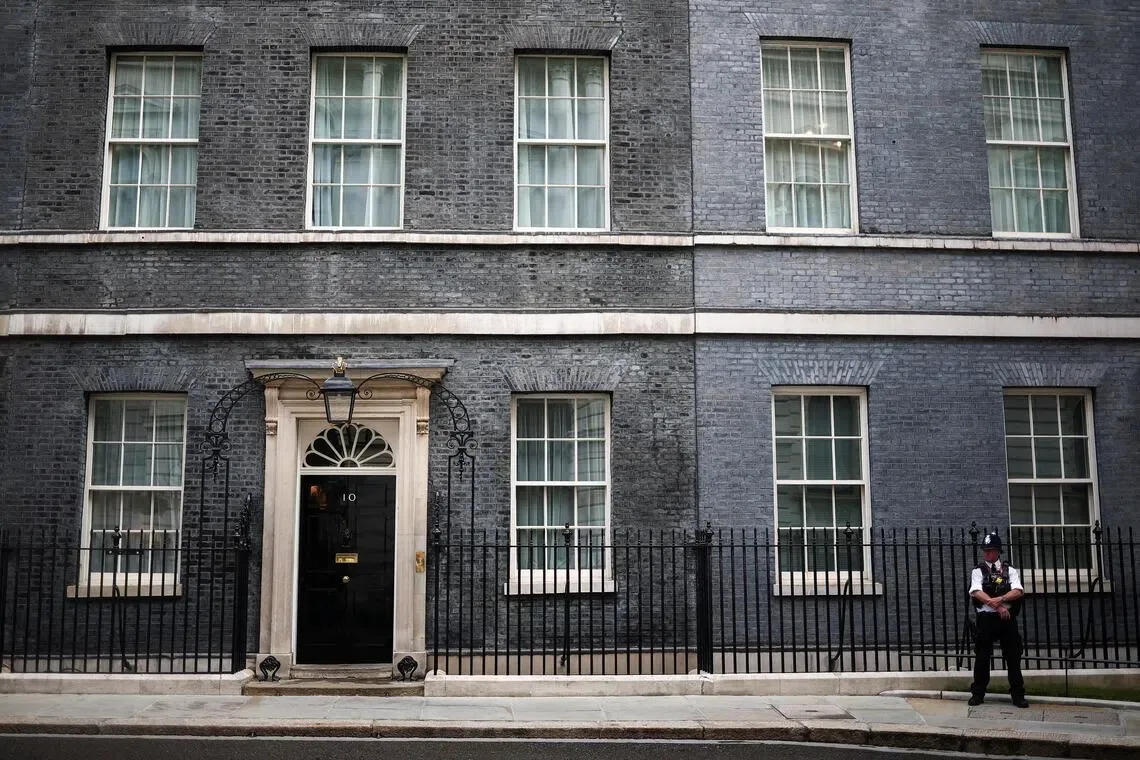
Burnham dissolved the Department for Science, Innovation and Technology (DSIT) on the same day, merging it with the Department for Business and Trade to form the new Department for Business, Innovation, Science and Trade led by Jonathan Reynolds [1, 2]. The Department for Culture, Media and Sport, headed by Lisa Nandy, was expanded to oversee digital transformation and online harms responsibilities formerly managed by DSIT [1, 2].
Burnham also removed technology secretary Liz Kendall and other senior ministers who served under Starmer on July 20, 2026 [1, 2, 3]. Narayan is a Labour MP representing the Vale of Glamorgan in Wales, first elected in 2024, and is the first ethnic minority MP from Wales [3]. Born in Bihar, India, Narayan moved to Wales at age 12, studied at Oxford and Stanford, and worked in both civil service and private sector roles before entering politics [3].
Startup groups and entrepreneurs reacted with mixed feelings to DSIT’s dissolution. While praising Narayan, some expressed concern about losing a dedicated government department focused on technology and innovation. Alexandru Voica, head of public affairs at Synthesia, said moving digital services oversight to the culture department “feels like a return to the early 2000s, when technology was treated as a curious side interest rather than a core part of economic growth” [2].
The DSIT was originally formed in 2023 under then Prime Minister Rishi Sunak to support research in quantum computing and clean energy [1]. Narayan’s cabinet appointment was called "a sign of [Burnham’s] deep commitment to AI's importance" by observers [3].
The UK government now faces international scrutiny over its AI strategy amid criticisms of prior policy flip-flopping and underinvestment in infrastructure [1]. The next key government decision will be how the new departments balance innovation priorities with digital regulation.