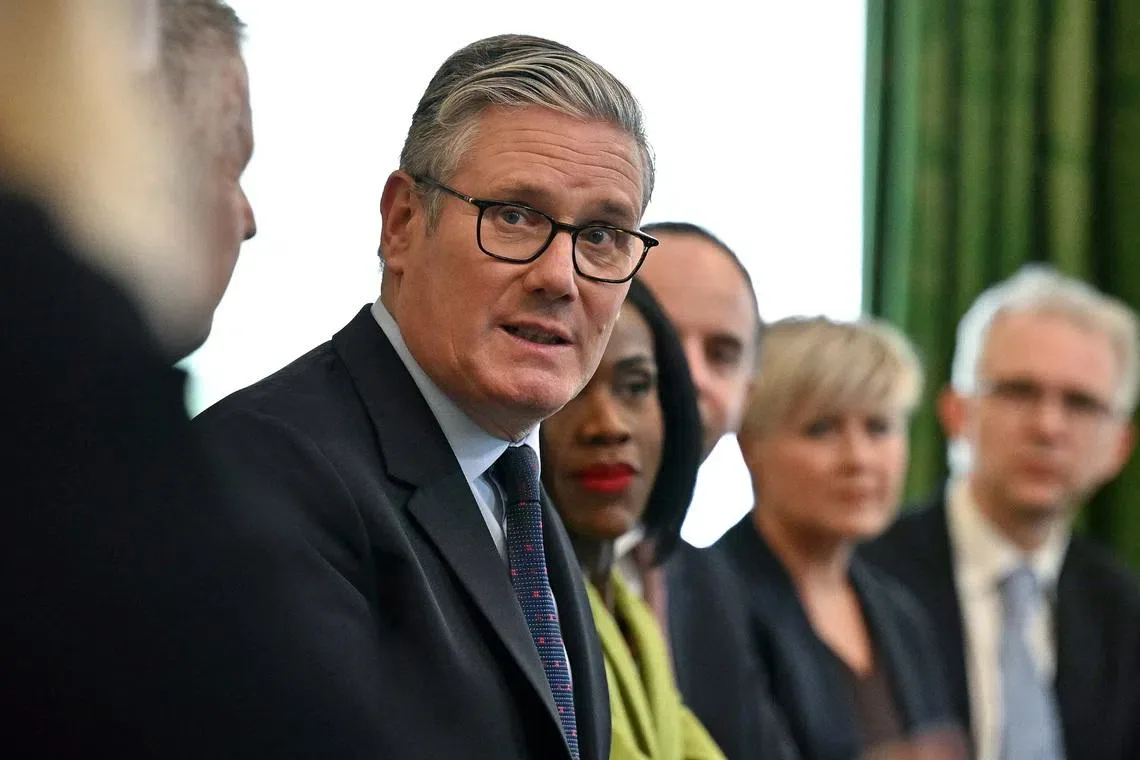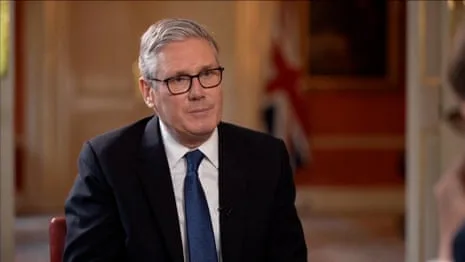
British Prime Minister Keir Starmer vowed on June 12, 2026, that he has not lost authority and will fight to remain in office despite leadership challenges following resignations in his government [1, 2].
Defence Secretary John Healey quit on June 11, accusing Starmer of failing to commit necessary resources to national defence [1, 2]. Armed Forces Minister Al Carns also resigned on June 12, criticizing the government's defence spending and prioritization of weapons [2].
Starmer has cut budgets in other areas to increase defence investment, aiming to reach 3.5% of GDP in defence spending by 2035—a target delayed amid disputes over budget figures [1, 2]. The Prime Minister told reporters, "I'm not going to walk away. I was elected to serve this country, notwithstanding the difficult circumstances. That is what I am doing" [1]. He added, "I would just gently say this: that whoever is prime minister is going to face the same prevailing winds as I am facing. None of that is going to change" [2].
The leadership challenges could come from figures including Andy Burnham and Wes Streeting [2]. Starmer acknowledged recent poor election results and said, "Look, I recognise that, given where we are, I need to turn that around and that’s what I intend to do" [2].
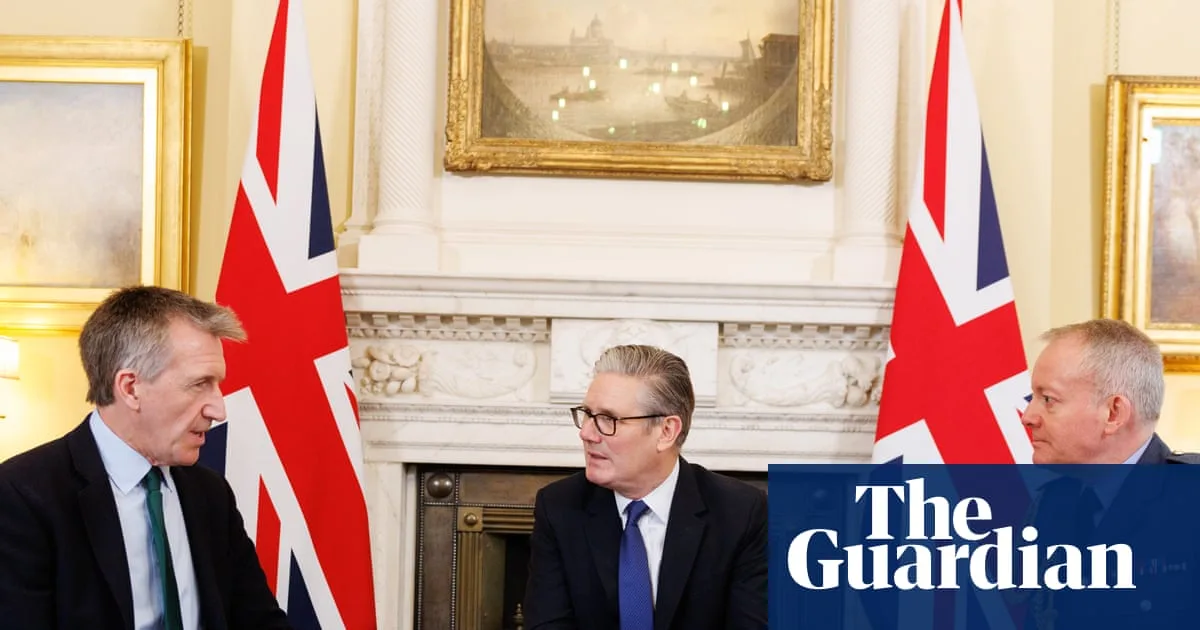
Starmer met on June 12 with new Defence Secretary Dan Jarvis and Chief of Defence Staff Richard Knighton to discuss the delayed defence investment plan [2].
The government expects the defence plan discussions to continue as it seeks to resolve funding disputes and solidify its approach to national security in the coming months [2].