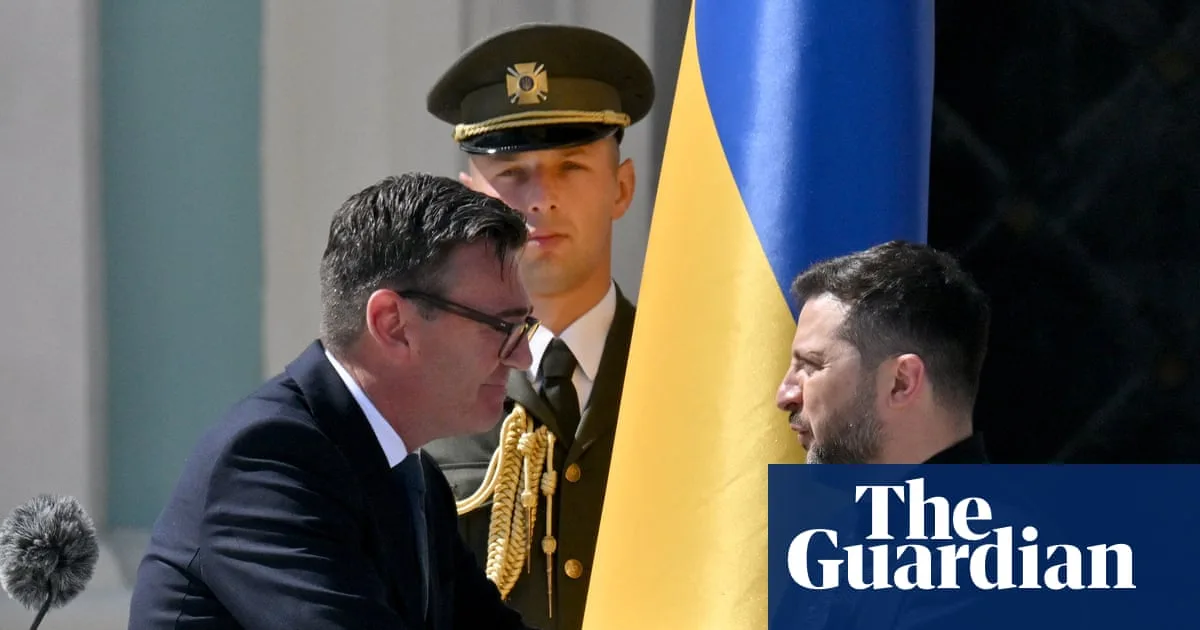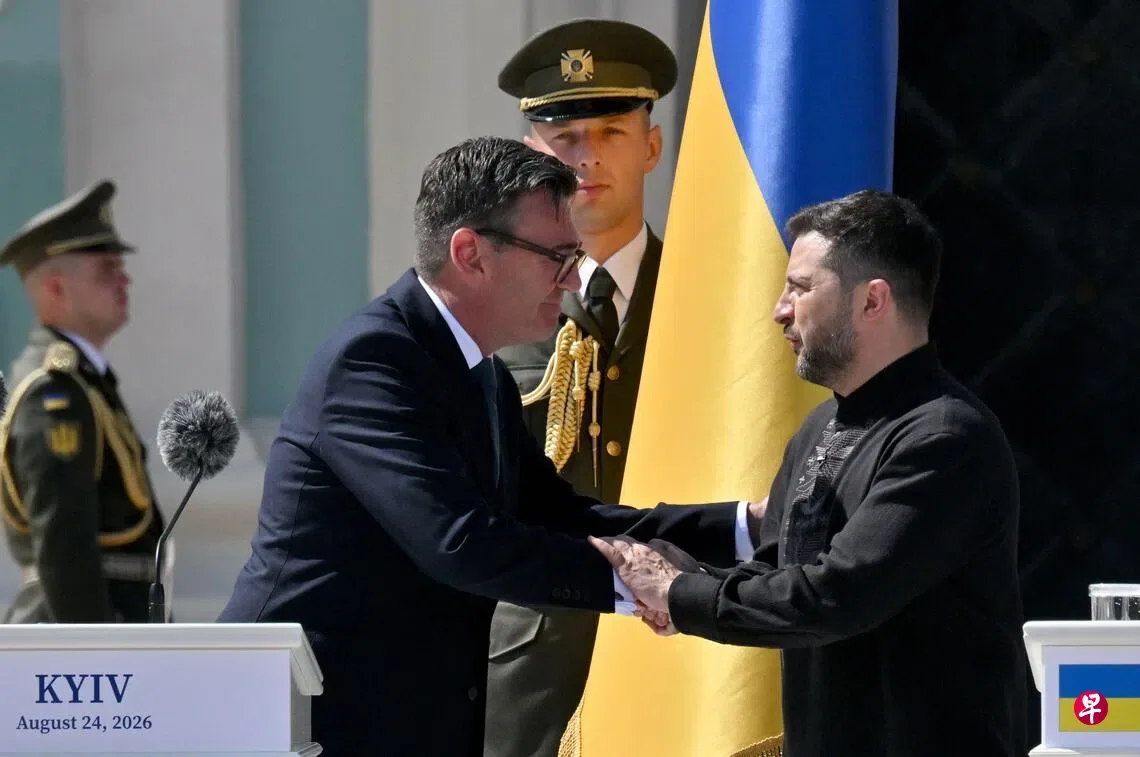
British Prime Minister Andy Burnham visited Kyiv on August 24, 2026, marking his first overseas trip since taking office and announced the UK’s decision to share classified information on the British-made components of SCALP long-range cruise missiles to help Ukraine build its own missiles domestically [1, 2, 3, 4]. The SCALP missile can strike targets up to 250 kilometers away, significantly expanding Ukraine’s strike capabilities [4].
Burnham affirmed the UK’s unwavering support for Ukraine against what he called Russia’s illegal war. "The UK is behind you today and for as long as it takes," he said, pledging to help strengthen Ukraine’s air defenses before winter and likening Ukraine’s resistance to Britain’s fight against Nazi Germany in World War II [2, 3]. He also underscored the lasting friendship between the UK and Ukraine.
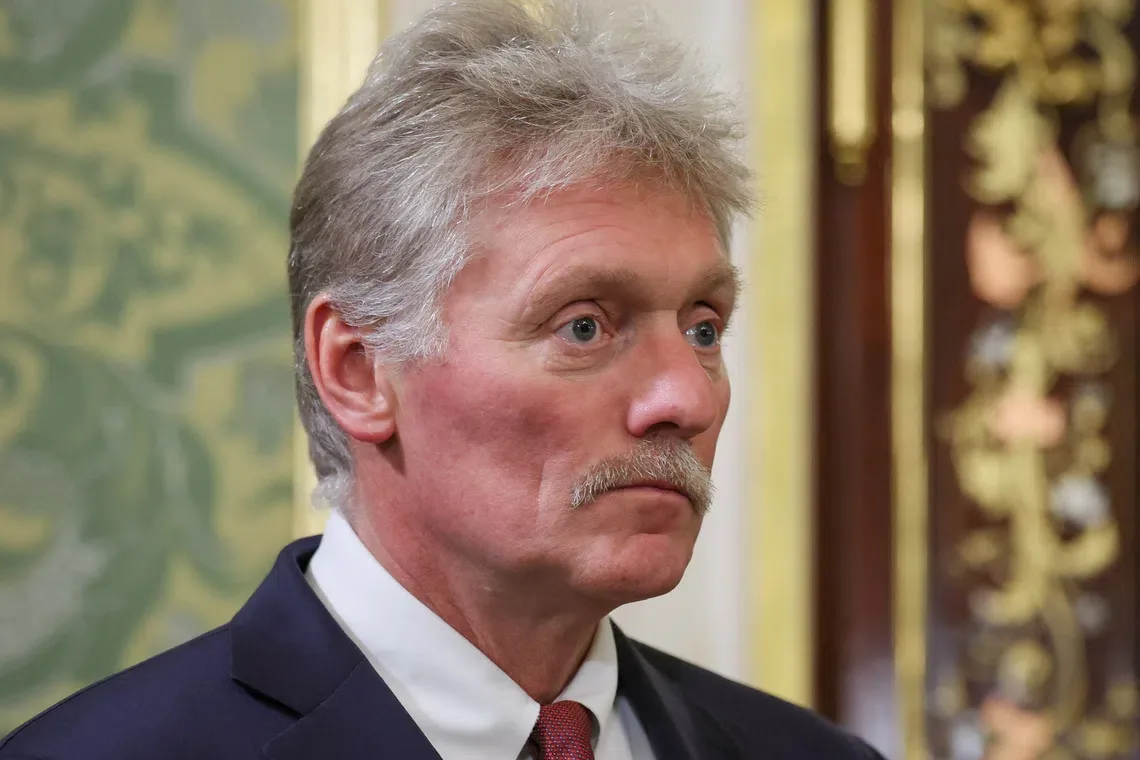
The Kremlin slammed Britain’s actions. Russian spokesperson Dmitry Peskov said London is "involved in this war on the side of the Kyiv regime," and accused Britain of systematically adding "fuel to the fire" while trying to block progress toward peace [1]. Peskov warned that Britain’s moves would have negative consequences and vowed that Russia is gathering intelligence to locate and destroy missile production sites in Ukraine [1, 2, 3, 4].
Meanwhile, Ukrainian forces reported a night strike on August 24 against a Russian military factory in the Rostov region producing rocket fuel, ammunition, and missile systems [3]. Kyiv braced for increased Russian missile attacks on its Independence Day and remains concerned about the rising missile threat amid a shortage of US Patriot interceptors [2].
Ahead of the UK announcement, Moscow had warned London about consequences for supplying drones and weapons to Ukraine [1]. The UK supports a coalition of 34 leaders backing Ukraine, with estimates of up to 300,000 potential Russian mobilizations highlighting conflict risks [2].
Burnham’s pledge and the declassification aim to bolster Ukraine’s defense capabilities ahead of winter. The UK government will coordinate further support efforts in the coming months to strengthen Kyiv’s military resilience [2, 3].