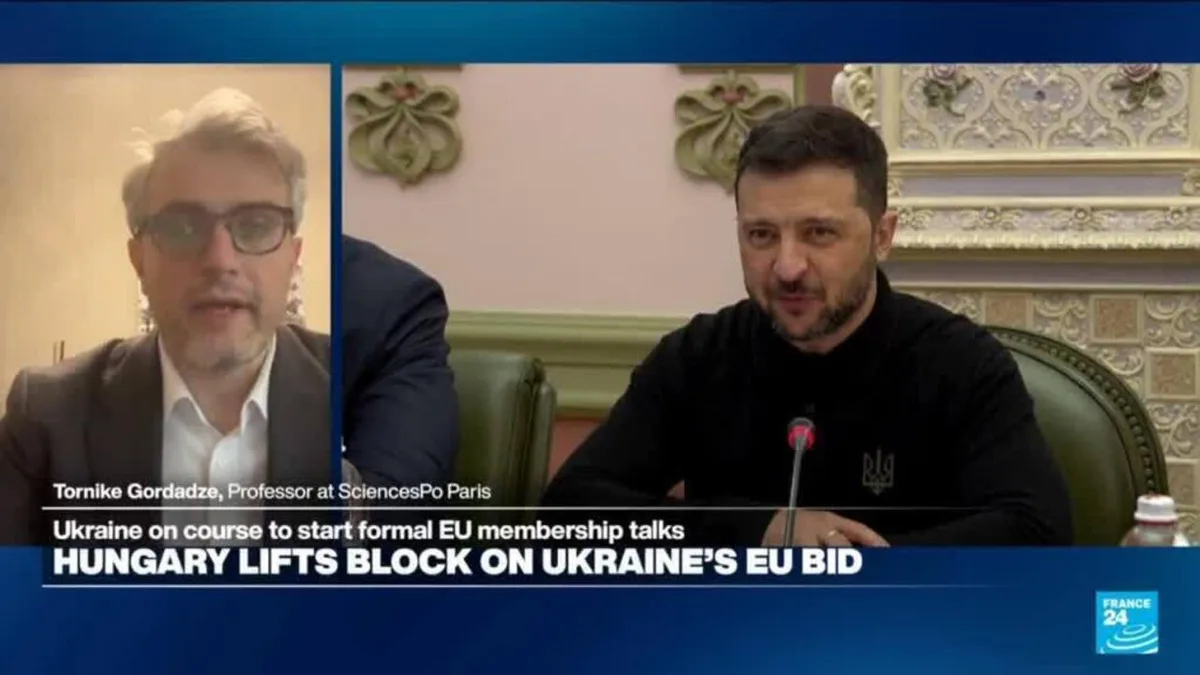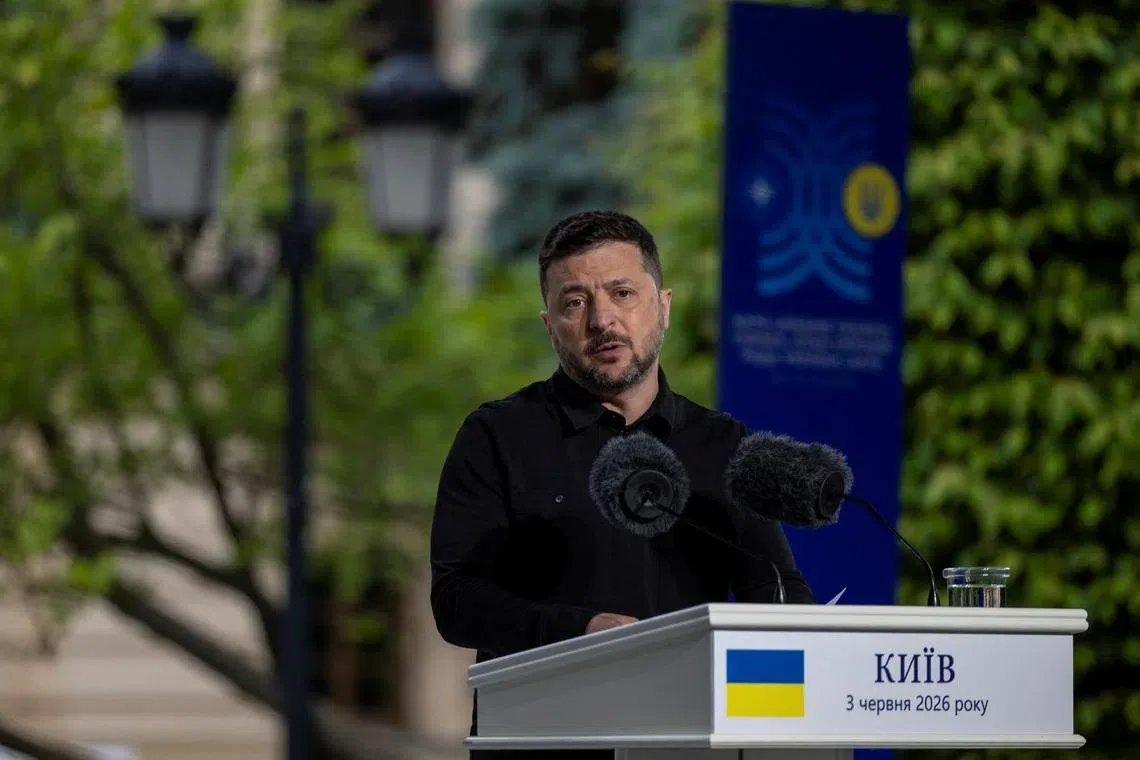
Ukraine’s President Volodymyr Zelenskiy pledged a clear timetable for talks on joining the European Union, emphasizing Ukraine’s commitment to meeting obligations with the 27-nation bloc [1]. He made the announcement on June 4 in a nightly video address, saying, “We will have a very clear schedule for moving forward in these talks, especially after changes in Hungary.” Zelenskiy added, “We have done our part of the work. The next step is up to the European Union.”
The EU’s rotating presidency under Cyprus began preparing to open negotiations on the first group of chapters with Ukraine and Moldova shortly before Zelenskiy’s statement [1]. The initial chapter focuses on rule-of-law and democratic standards, critical benchmarks for membership.
Ukrainian officials maintain daily contact with EU counterparts to coordinate membership plans, a factor Zelenskiy described as important to Ukraine’s continued motivation [1].
A breakthrough came when Ukraine and Hungary reached an agreement concerning the rights of Ukraine’s ethnic Hungarian community, estimated at about 100,000 people [1]. Hungarian Prime Minister Peter Magyar said the resolution of this long-running dispute was vital for Budapest’s support of Ukraine’s EU accession talks, stating, “Agreement on the long-running dispute was essential if Budapest were to agree to Ukraine joining the EU.”
In addition to EU membership efforts, Zelenskiy said Ukraine is working with European officials to boost air defenses, coordinate sanctions against Russia, and develop joint arms production [1].
The EU negotiations are expected to proceed with opening discussions on the first chapters soon, with Ukraine aiming to demonstrate steady progress according to the clear schedule pledged by Zelenskiy.