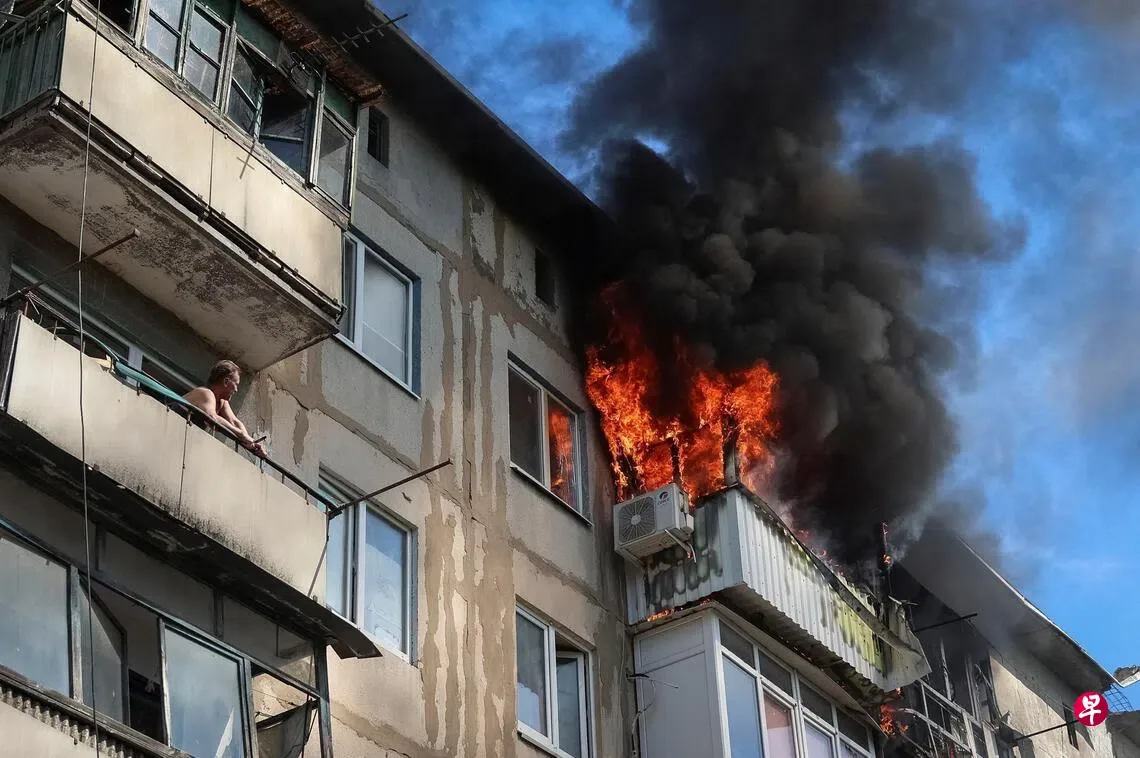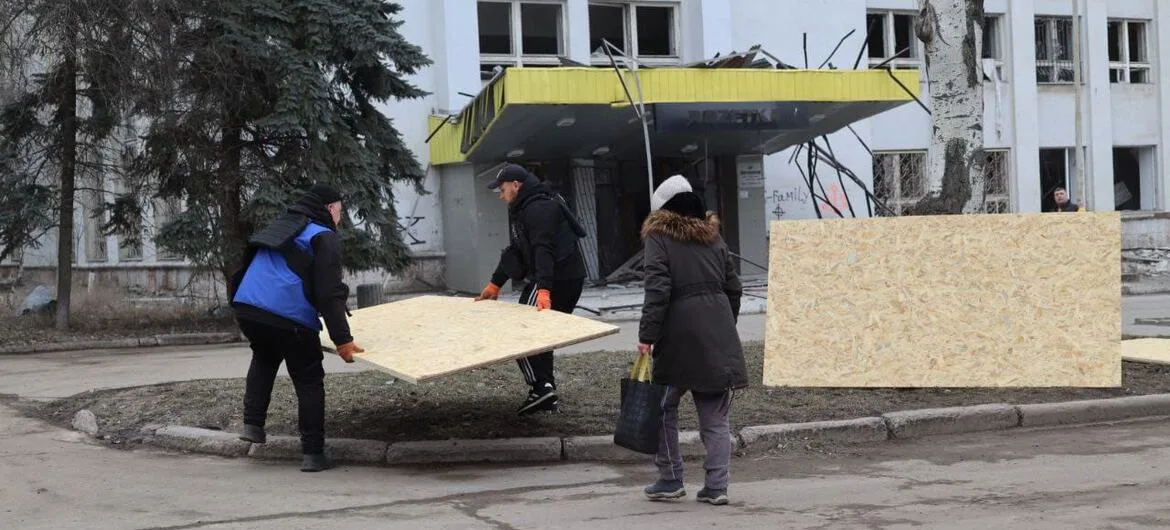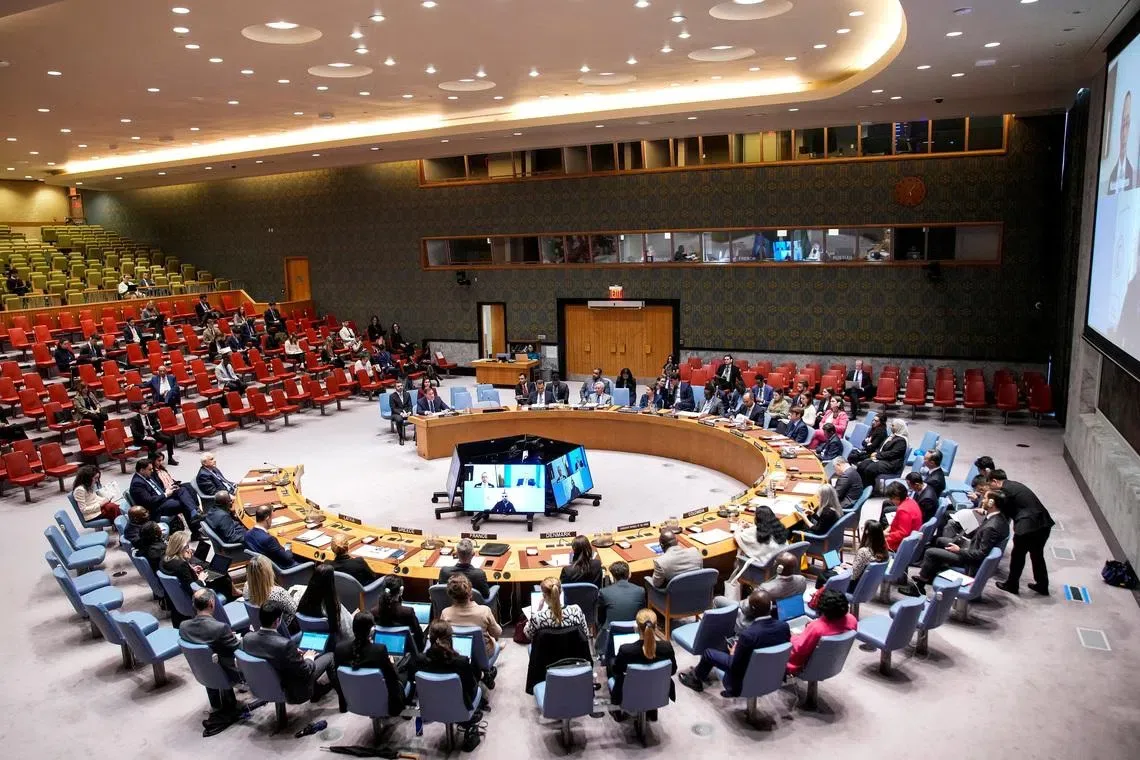
Ukraine’s permanent representative to the United Nations, Andrii Melnyk, on June 22 warned the UN Security Council it may revise its existing ceasefire offer along the current frontline if the Council fails to adopt a resolution urging a full and unconditional ceasefire between Ukraine and Russia [1, 2, 3, 4]. Melnyk said Ukraine considers its current ceasefire proposal a major compromise and emphasized Ukraine’s readiness to hold direct negotiations with Russia to achieve a just and lasting peace, stating, "Ukraine stands ready to engage in direct negotiations with Russia to secure a just and lasting peace in accordance with the UN Charter, but our patience is not endless" [1].
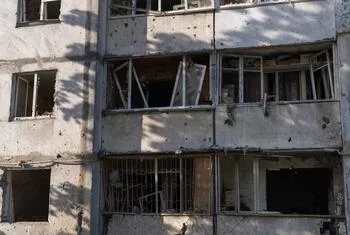
Melnyk’s warning came amid escalating conflict. Ukrainian forces have struck approximately 40% of Russia’s oil refineries in recent operations, significantly shifting the war’s dynamics [1, 2, 3, 4]. Meanwhile, Russia conducted overnight airstrikes on June 22-23 against Ukrainian cities including Sumy, Zaporizhzhia, Kharkiv, and Kyiv, injuring six people and triggering air raid alerts in Kyiv [2].
Russian Foreign Minister Sergey Lavrov said on June 23 that Russia is prepared to resume peace talks from the point where previous talks halted [2]. The conflicting signals come after large-scale Russian missile and drone attacks on June 15 hit multiple Ukrainian cities such as Kyiv, Kharkiv, Dnipro, Donetsk, and Zaporizhzhia, causing civilian casualties and damage to cultural sites including the historic Pechersk Lavra monastery, a UNESCO World Heritage Site [5, 1, 3, 4]. Ukraine and Western countries condemned the strike on Pechersk Lavra, but Russia denied responsibility, blaming damage on a U.S.-made Patriot missile and asserting its strikes targeted drone manufacturing sites in Kyiv [1, 3, 4].
The United Nations reported May 2026 was the deadliest month for civilians since the Russian invasion began in February 2022, with at least 274 deaths and 1,763 injuries documented [5]. UN human rights officials warned of rising dangers to civilians and humanitarian workers due to repeated attacks on ambulances and aid teams near conflict zones [5]. UN representatives called for strict adherence to international humanitarian law, immediate cessation of attacks on civilians and cultural heritage, and a diplomatic solution for lasting peace [5].
The Security Council is now under pressure to address Ukraine’s call for a binding ceasefire resolution. Meanwhile, both sides maintain military activities amid conflicting claims and claims of readiness for dialogue. Ukrainian officials and Western allies continue to push for firm international action.
The next scheduled event is the Security Council’s deliberation on the ceasefire resolution. Ukraine’s position indicates it may further change its ceasefire offer depending on the Council’s decision.