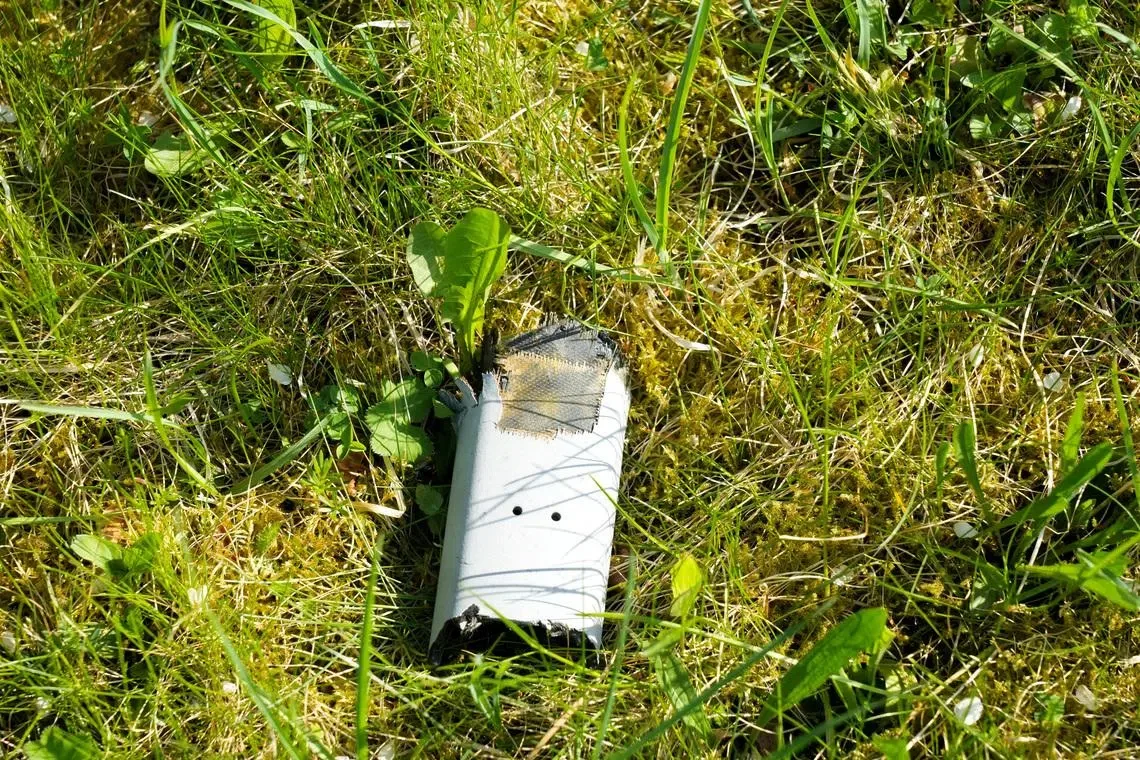
EU Commission President Ursula von der Leyen accused Russia on May 26 of attempting to destabilize European democracies by triggering recent drone alerts in the Baltic states. She said, "People in the Baltic countries have been experiencing what many believed belonged to another era… These are not isolated incidents. This is a deliberate strategy from Russia, trying to destabilise our democratic societies." [1]
Recent drone alerts and air raid alarms forced civilians into shelters and led to school closures in Baltic capitals such as Vilnius. [1, 2] On May 20, a drone alert forced Lithuanian lawmakers underground during a parliamentary session. [3] The Baltic states Lithuania, Latvia, and Estonia accuse Russia of using electronic warfare to jam or spoof Ukrainian drones, causing them to stray into NATO airspace. [3, 4, 5] Estonian Foreign Minister Margus Tsahkna said Russia is "desperately now using any kind of opportunity to divide the Western part of the world and ... to put more pressure on Ukraine not to launch these attacks." [3]
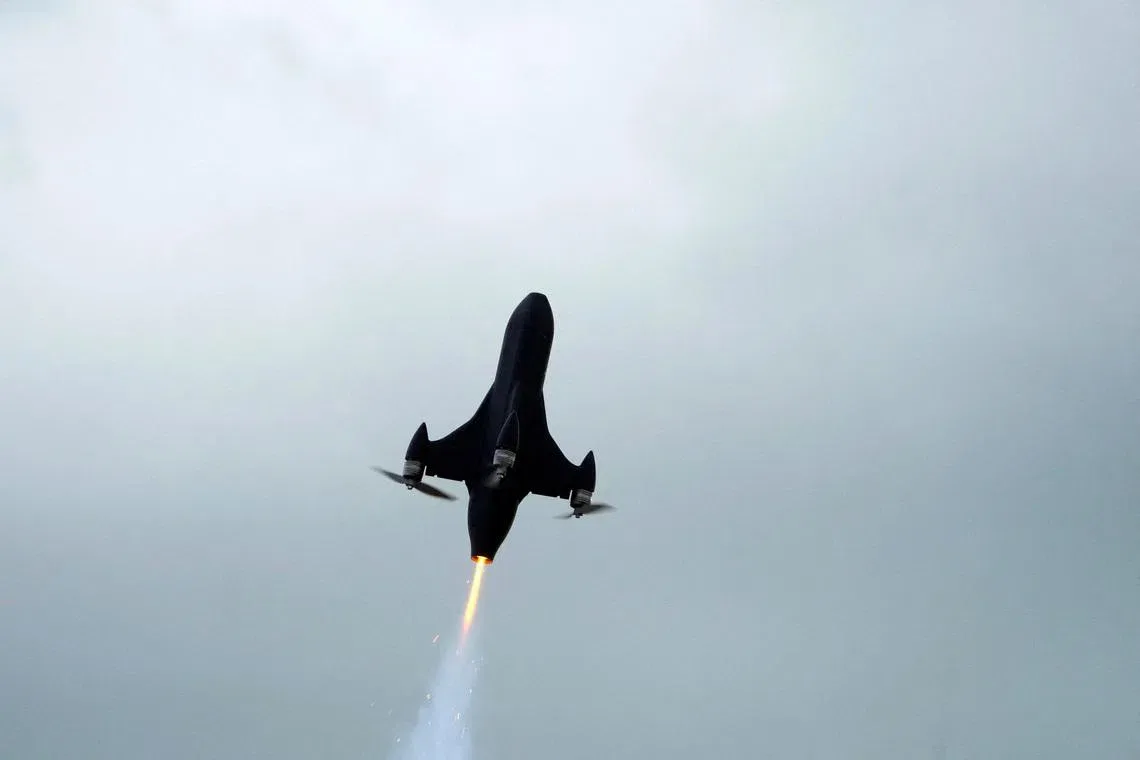
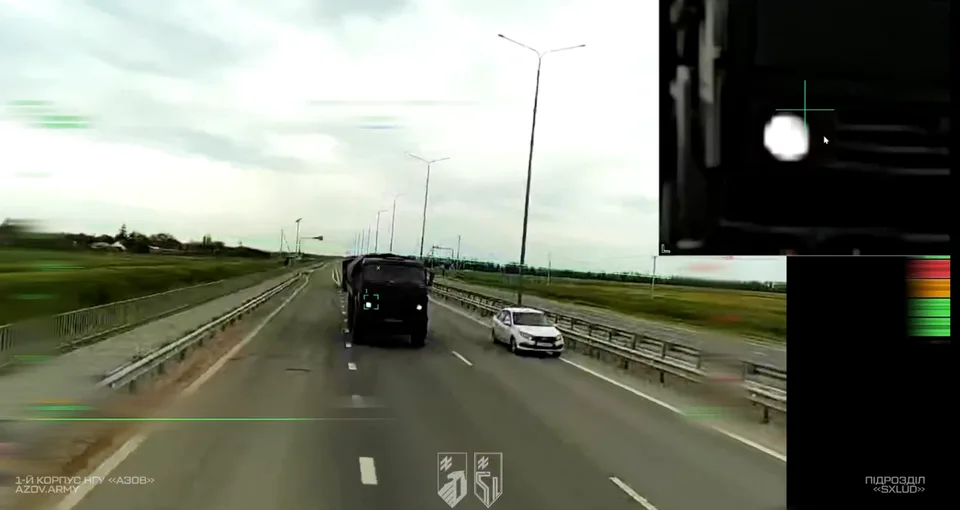
Since early 2026, Ukrainian drones have increasingly attacked Russian logistics, oil ports, and supply routes near the Baltic Sea and southern Ukraine. [6, 7] These strikes hit infrastructure including an $11.8 billion Russian budget for occupied Ukraine's highways. [6] Nearly 40% of Russian national oil and gas exports pass through Baltic Sea ports, making them a strategic target. [3, 5] Ukrainian forces have deployed new mid-range strike drones capable of flying 20 to 300 kilometers behind front lines, hitting Russian logistics and command posts in rear areas previously considered safe. "Nowadays, we're fighting... so drone zone between 50 and 150 kilometers," said Taras Berezovets of Ukraine's Territorial Defense Forces. [7]
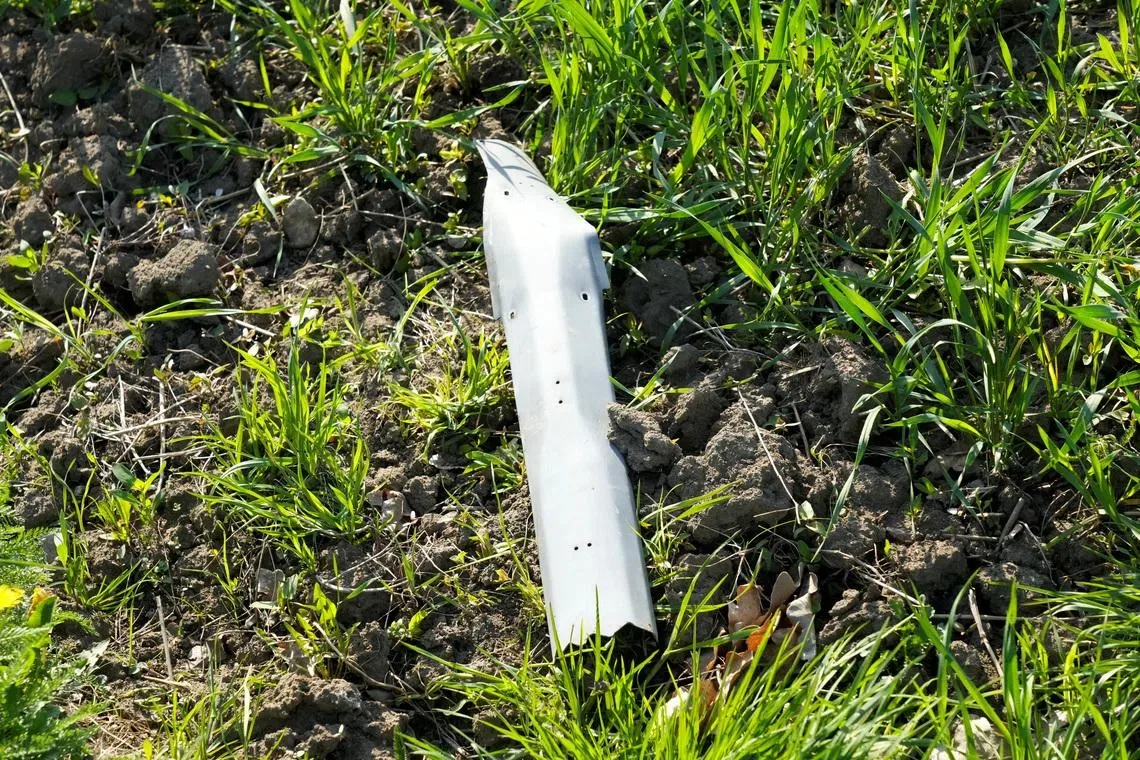
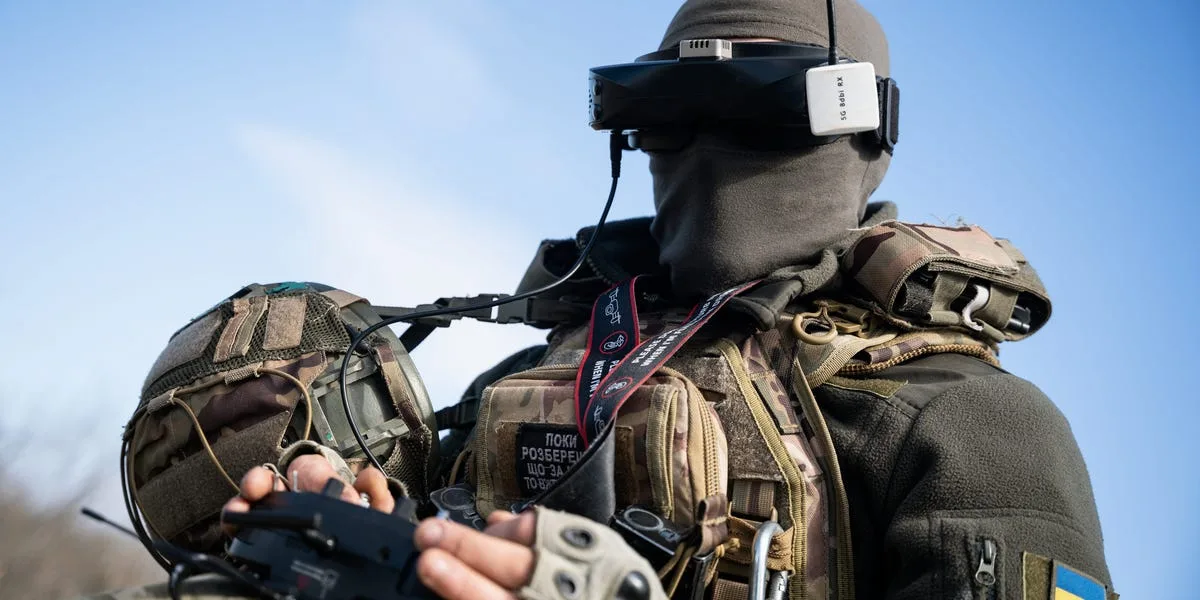
The drone activity has heightened tensions in the Baltics. On May 19, a NATO military jet shot down a suspected Ukrainian drone over Estonia, marking the first NATO missile fired in defense in the Baltics since 2004. [3, 2] Latvia announced plans to deploy interceptor drone teams along its 400-km borders with Russia and Belarus to improve air defense. The military states each interceptor team maintains a 10-km radius kill zone. Latvian Army official Modris Kairiss emphasized the need for precise identification to avoid hitting civilian aircraft: "It's not enough to engage with anything you notice. We need to identify it first." [4]
Latvia suffered political fallout as the government collapsed in mid-May after criticism over anti-drone defenses and slow responses to incursions. Defense Minister Andris Spruds resigned on May 10, followed by Prime Minister Evika Silina on May 14. [2]
The origin of drones straying into Baltic and Finnish airspace remains contested. Baltic states and Ukraine claim the drones are Ukrainian but diverted by Russian electronic interference, while Russia accuses the Baltics of collusion with Ukraine. The Baltics and Ukraine deny cooperating to use NATO airspace for attacks. [1, 3, 5]
The Baltic states continue to ramp up their air defenses amid escalating drone incursions and attacks. Latvia's planned deployment of interceptor drone teams along its borders is expected to begin soon. [4]