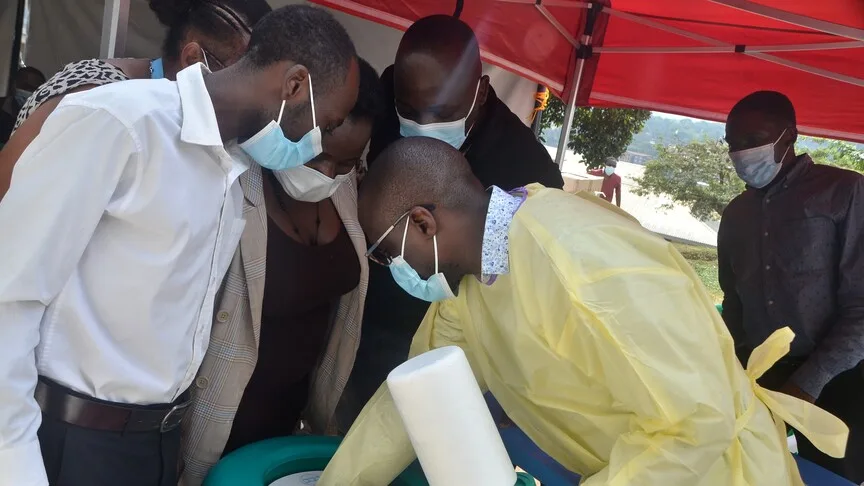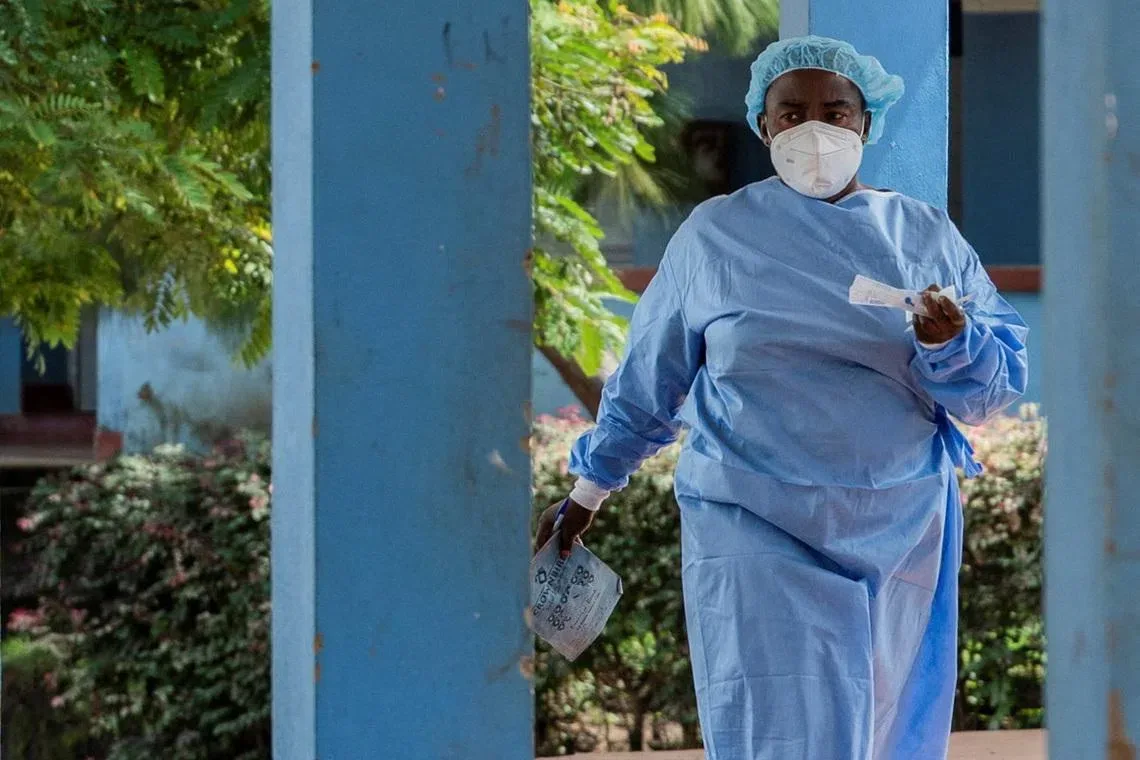
The United Nations announced on May 22 it would allocate up to $60 million from its Central Emergency Response Fund to combat a new Ebola outbreak in the Democratic Republic of Congo’s Ituri province [1, 2]. The outbreak is caused by the Bundibugyo virus strain, which currently has no licensed vaccines or approved treatments [1, 2].
About 670 suspected cases and 160 suspected deaths have been reported so far, with the virus circulating undetected for approximately two months before identification last week [1]. The outbreak is occurring in a region affected by armed conflict and high population movement, complicating containment efforts [1, 2]. WHO Director-General Tedros Adhanom Ghebreyesus called the situation "deeply worrisome" and warned the actual scale is likely larger than confirmed figures indicate [2].
UN aid chief Tom Fletcher emphasized the urgency of coordinated community-level responses. "We need to get ahead of this Ebola outbreak," he said. "Today, I am allocating up to $60 million from the United Nations Central Emergency Response Fund to accelerate the response in the Democratic Republic of the Congo and the wider region." He noted the lack of licensed vaccines or treatments for this strain adds to the challenge [1, 2].
Fletcher outlined steps vital to containment, including swift coordinated action in communities, strong communication with governments, and robust early warning and detection systems across affected counties [2]. WHO is leading the humanitarian response under Ghebreyesus’s direction [2].
The Bundibugyo strain began circulating undetected in early April 2026 before being confirmed in mid-May in Ituri province [1]. The UN’s funds and deployed staff aim to accelerate response efforts to reduce transmission and support health care services on the ground [1, 2].