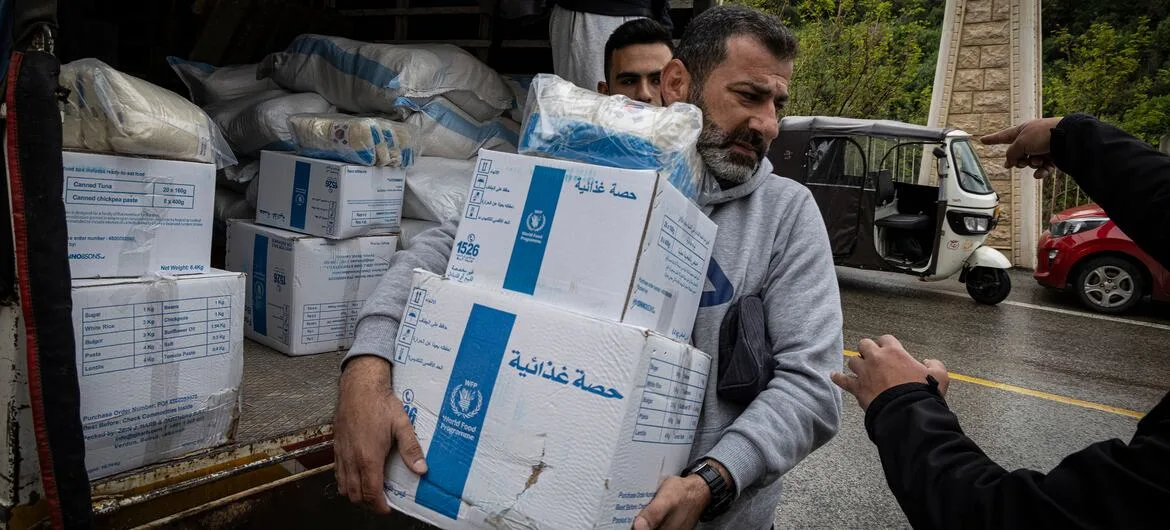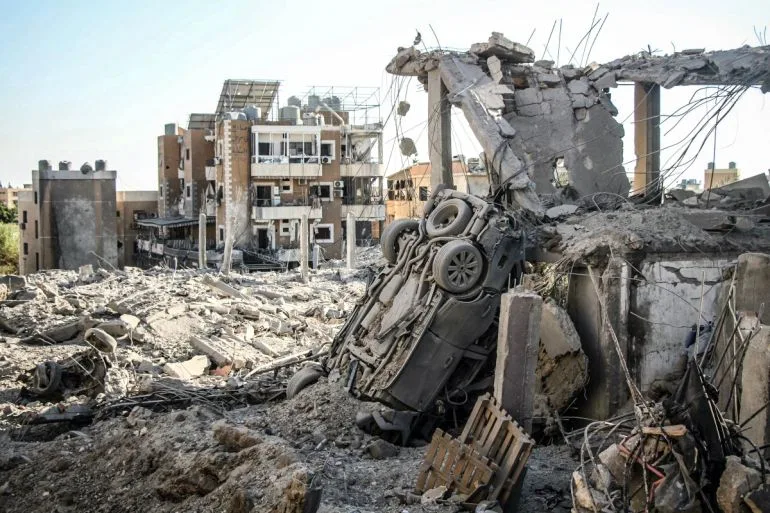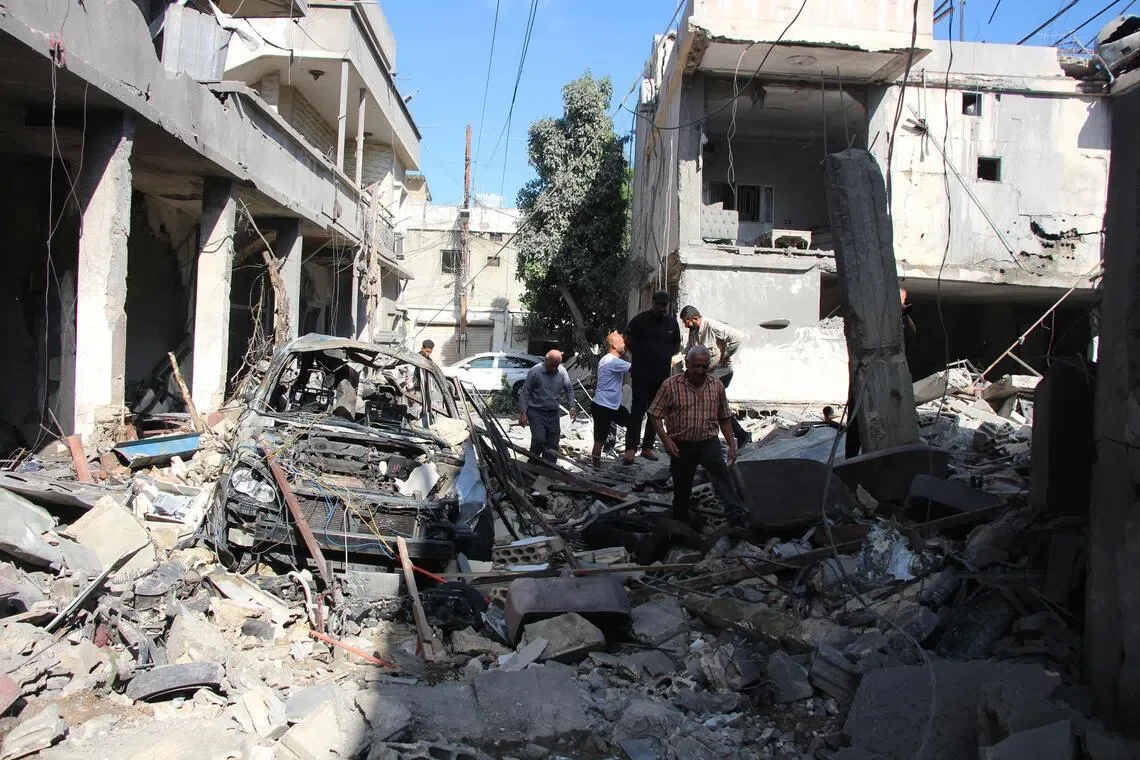
The United Nations increased its Lebanon aid appeal to approximately $640 million to address growing humanitarian needs through August 2026, nearly doubling the initial $308 million request made in March for emergency response through May [1, 2, 3, 4]. The additional $331 million aims to sustain relief efforts over six months as the crisis intensifies.
About 1.4 million people, roughly a quarter of Lebanon’s population, now need humanitarian assistance due to the ongoing violence and its fallout [1, 2, 3, 4]. More than 1 million have been displaced since the conflict escalated on March 2, after Hezbollah fired rockets at Israel, prompting a large Israeli military campaign in Lebanon [1, 2, 3, 4].
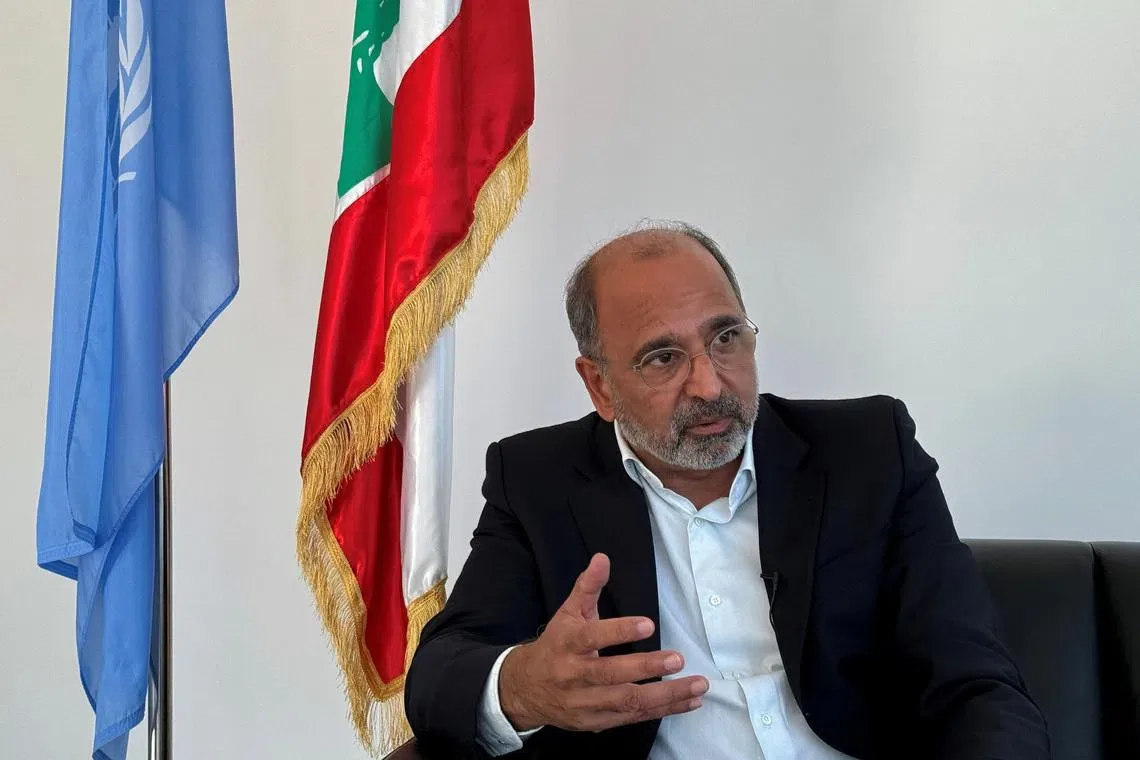
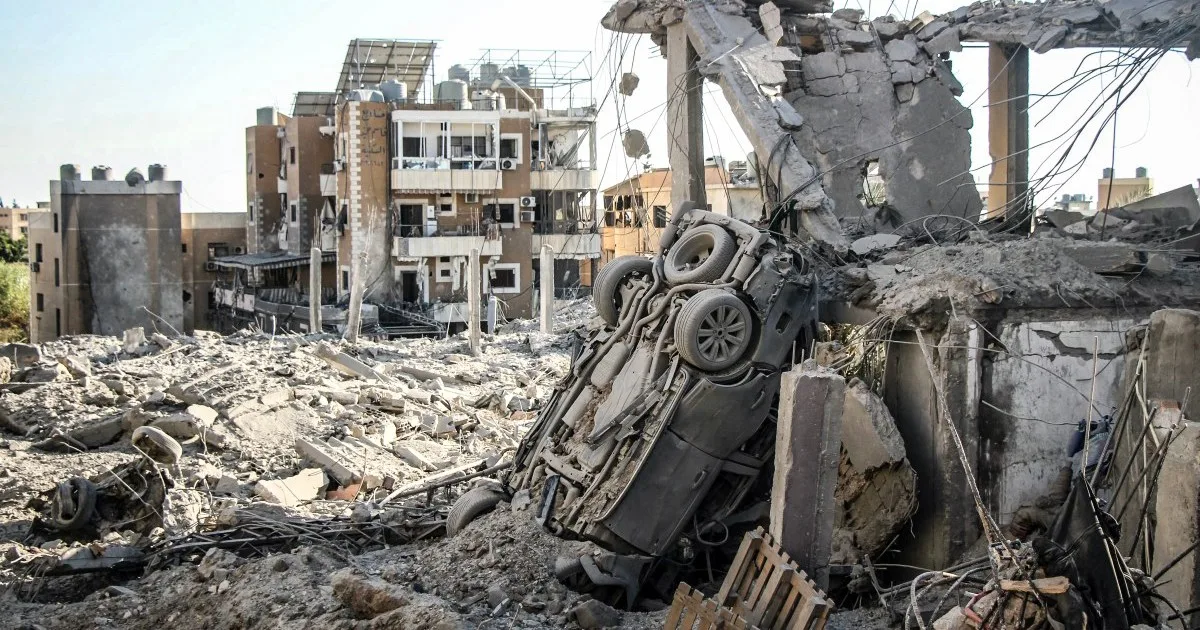
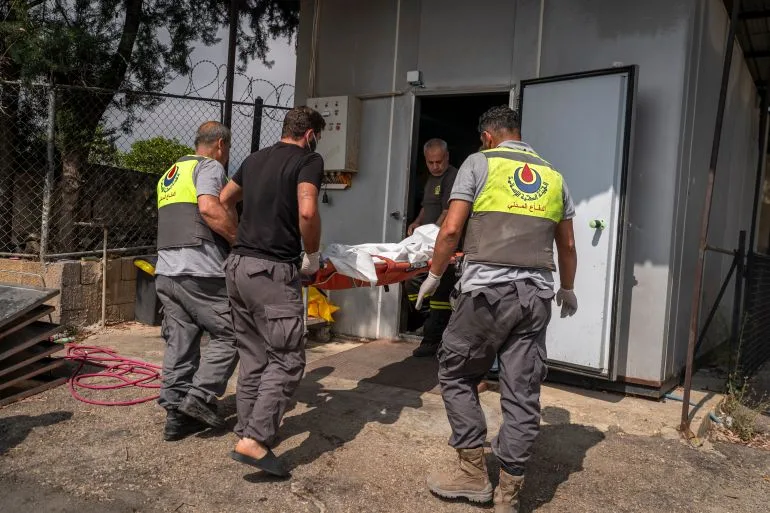
Lebanese public health authorities report over 3,500 deaths and more than 10,700 wounded since March 2 [1, 2, 3, 4]. The United Nations highlighted the "appalling situation" faced by communities, with UN Humanitarian Coordinator Imran Riza saying, "The toll on civilians is alarming and worsening by the day" [1].
Damage to vital infrastructure has compounded hardship. Sixty-two hospitals and health facilities have been damaged or closed, impacting access to care including maternal health services [2, 3, 4]. Nearly 450 schools shelter displaced people, contributing to major disruptions in education and increased dropout risks [2, 4]. Meanwhile, essential services like water, fuel, and electricity face rising costs—up more than 30% nationwide and as much as 70% in conflict-hit areas [2].
Repeated displacements, limited shelter options, and the inability to safely return home have left many vulnerable. The UN Office for the Coordination of Humanitarian Affairs (OCHA) said, "Affected people are rapidly exhausting their coping capacities, and essential services are under increasing strain" [2]. UN Population Fund Deputy Executive Director Sara Sabton noted the risk in crowded shelters: "Lack of privacy, adequate sanitation, and basic protection measures" increases dangers, especially for over 600,000 women and girls [3].
A conditional ceasefire was agreed June 4 between Lebanese and Israeli representatives in Washington but rejected by Hezbollah, which demands a full ceasefire and Israeli withdrawal [4]. Meanwhile, over 60,000 people remain unable to return to villages damaged or unsafe from last year's conflict, with UN estimates suggesting up to 200,000 displaced still affected by insecurity [3].
Only about $186 million has been received so far from the initial appeal, leaving a large funding gap as needs grow [1, 2, 4]. The UN’s expanded appeal aims to close this gap and extend aid through August, providing critical support to millions facing displacement, injury, and shortages of food, shelter, and medical care [1, 2, 3, 4].