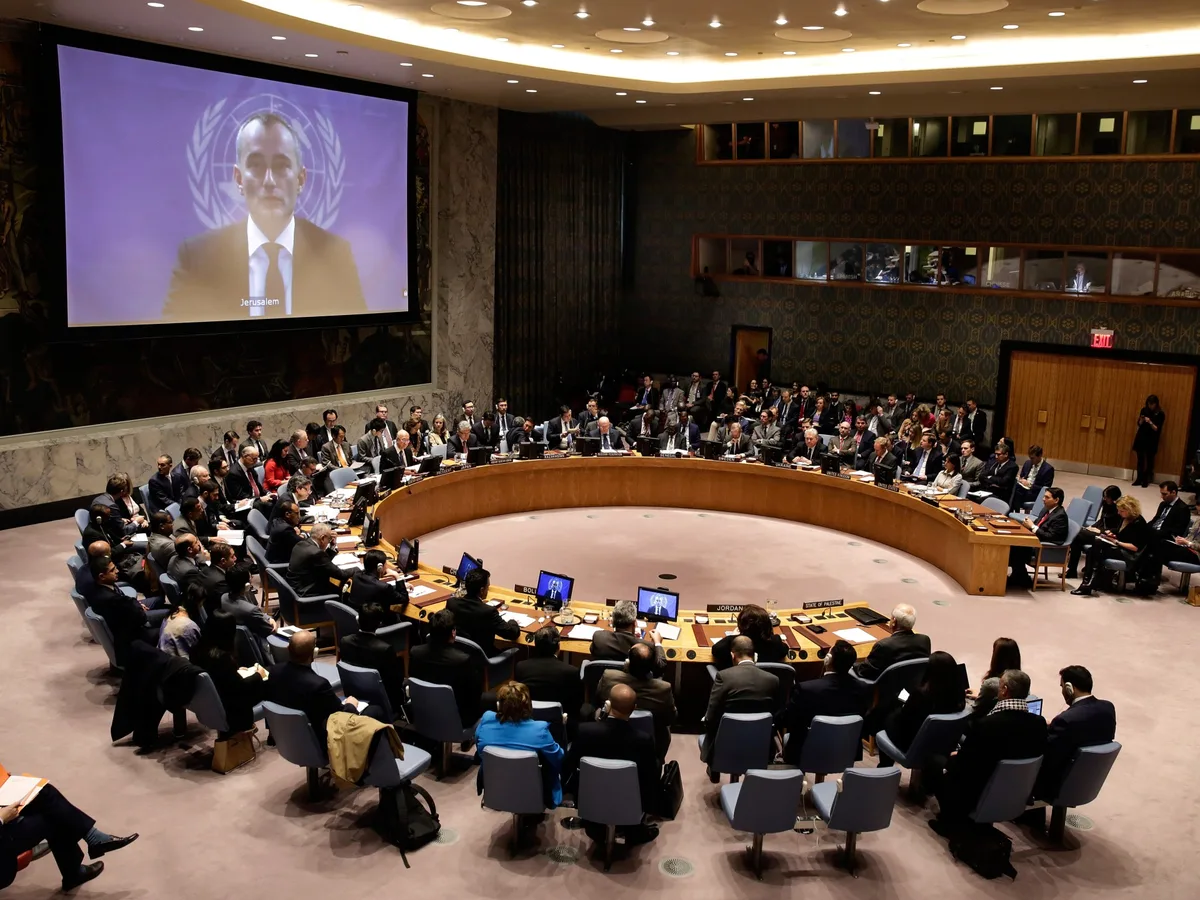
Nickolay Mladenov, lead envoy for the U.S.-founded Board of Peace for Gaza, warned the United Nations Security Council in May 2026 that the division and deteriorating status quo in Gaza risks becoming permanent. He said Hamas holds military and administrative control over more than 2 million people in less than half of Gaza’s territory, while Israel maintains troops in about 60% of the area, totaling roughly 365 square kilometres, making Gaza one of the world's most densely populated regions [1, 2].
The conflict between Israel and Hamas began on October 7, 2023, when Hamas and allied groups launched attacks on southern Israel, triggering a war that ended with a ceasefire in October 2025 [2]. Despite the ceasefire, Mladenov expressed concern the status quo remains fragile as Hamas refuses to disarm and relinquish control, which is the main obstacle to ceasefire implementation and reconstruction financing. "Reconstruction financing will not follow where weapons have not been laid down. No investment, no movement, no horizon," Mladenov told the council [1].
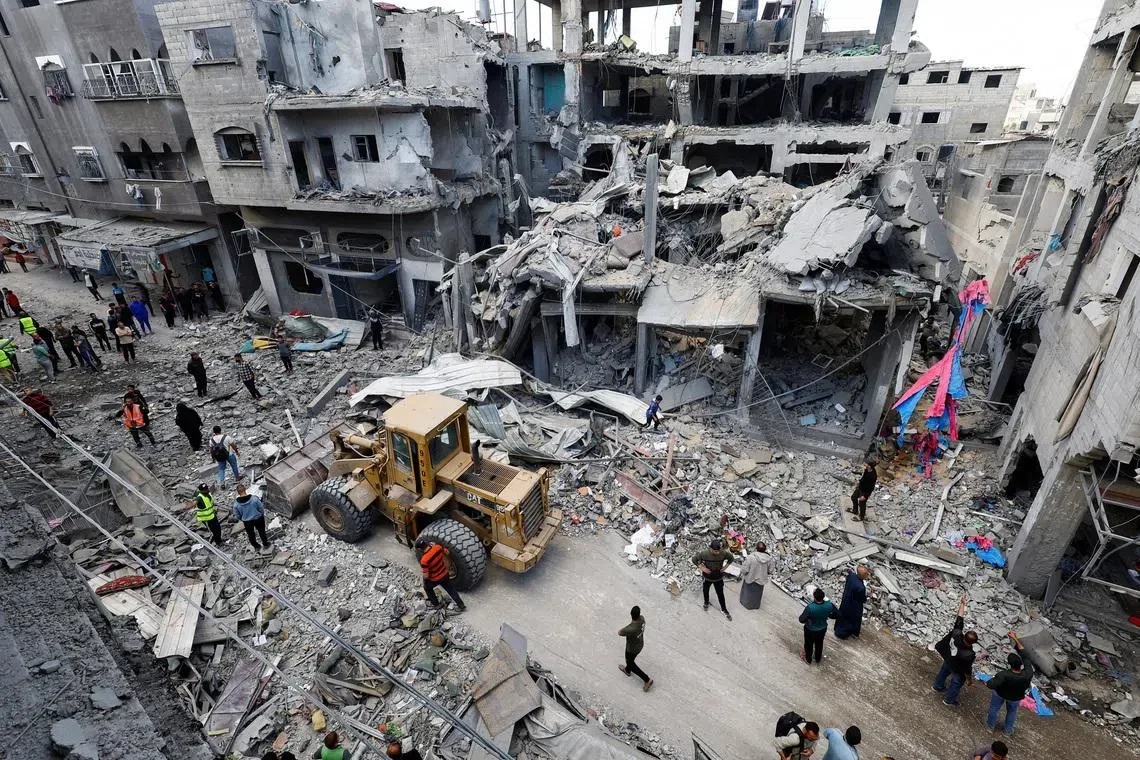
Israeli ceasefire violations continue, including a recent drone strike in May 2026 that killed a 26-year-old in Gaza’s al-Mahatta area. Humanitarian supplies into Gaza remain constrained despite promises of increased aid under the ceasefire [1]. He cautioned these factors risk trapping Gazans in dependency on aid without meaningful rebuilding, stating, "Those people are likely to remain trapped in the rubble, dependent on aid with no meaningful reconstruction... Another generation growing up in tents in fear, with despair as the most rational thing for them to feel" [2].
Since the 2023 conflict began, more than 72,775 Palestinians have been killed [2]. Mladenov urged the Security Council to pressure both sides, saying, "Let me say this clearly: the implementation cannot advance through Palestinian obligations alone" [2].
Hamas spokesperson Hazem Qassem dismissed Mladenov’s statements as efforts to justify Israeli escalation and siege, calling them "an attempt to create justifications for the occupation’s escalation against the people of the Gaza Strip and for tightening the siege imposed on them" [1].
Mladenov’s warnings come as the Security Council weighs diplomatic and humanitarian efforts amid persistent instability. The next key moment is the ongoing monitoring of ceasefire adherence and reconstruction financing tied to disarmament commitments.