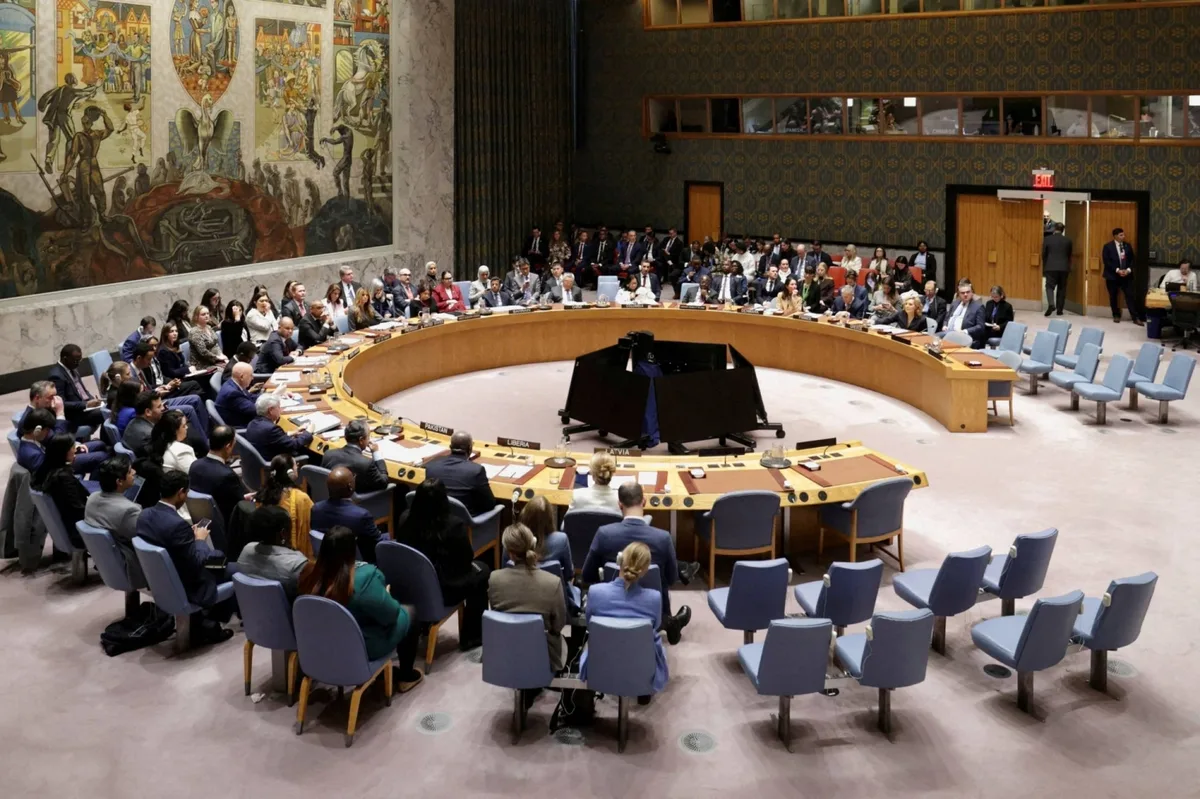
The United Nations Security Council conducted the first informal straw poll on July 30, 2026, to select the next UN Secretary-General. The closed-door vote took place with 15 Security Council members casting anonymous ballots to express 'encourage,' 'discourage,' or 'no opinion' for each candidate [1, 2, 3, 4, 5].
Seven candidates are competing in the race, including four women and three men, the highest number of female candidates ever for the 80-year-old post. The contenders hail from Argentina, Chile, Costa Rica, Ecuador, Guyana, Senegal, and Uganda, reflecting Latin America's turn in the traditional regional rotation of the role [1, 2, 3, 4, 5].
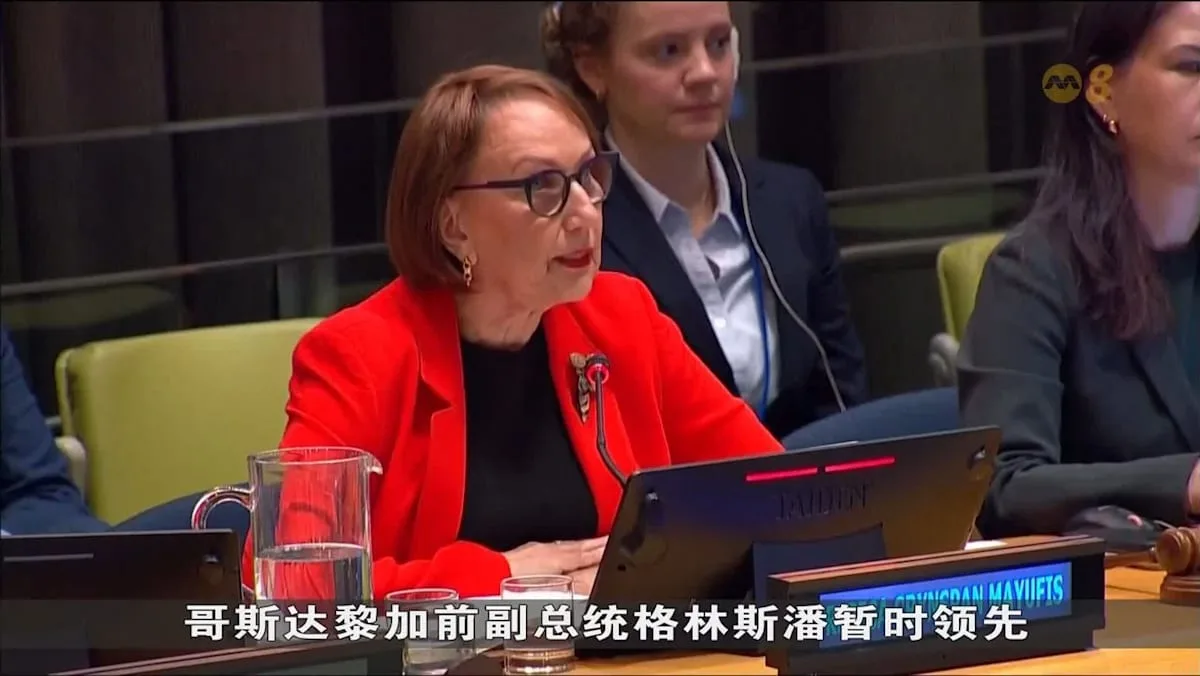
Former Vice President of Costa Rica and current UNCTAD Secretary-General Rebeca Grynspan leads the pack with 10 votes in the initial poll. She is followed by Carolyn Rodrigues-Birkett, former Foreign Minister of Guyana, with 9 votes, and Rafael Grossi, Director General of the International Atomic Energy Agency, who received 7 votes [3, 4, 5]. Candidates require at least 9 votes and no vetoes from any of the five permanent Security Council members—China, the US, Russia, the UK, and France—to qualify [4, 5].
No permanent members have publicly declared support or vetoes, leaving the final outcome uncertain. Richard Gowan, Director of the International Crisis Group at the UN, said the straw poll results might indicate which candidates have no chance and allow them to exit gracefully. He added that an overwhelming vote for any candidate would be surprising [4].
The current Secretary-General, António Guterres, will complete his second five-year term on December 31, 2026. The selection process could continue through several rounds of polls until late September or early October. The new Secretary-General is expected to begin their term on January 1, 2027 [1, 2, 3, 4].
Beyond selection, the new Secretary-General will face challenges including the UN’s declining influence, financial pressures, and ongoing global conflicts [1, 4]. The next leader is likely to come from Latin America and the Caribbean, continuing the regional rotation tradition, with Latin American candidates dominating the field [1, 3, 4].