The UN Security Council unanimously voted on June 15, 2026, to extend the mandate of the UN Assistance Mission in Afghanistan (UNAMA) until June 17, 2027 [1, 2]. Established in 2002, UNAMA has played a key role in coordinating humanitarian aid and supporting political dialogue in Afghanistan [1].
Since the Taliban returned to power in August 2021, UNAMA’s focus has shifted to coordinating humanitarian aid, monitoring human rights, promoting political dialogue, and supporting counterterrorism cooperation under the new regime [1]. The latest resolution confirmed these core tasks while aiming to streamline outdated or redundant elements of the mandate. China’s UN Ambassador Fu Cong, the resolution’s penholder, said it "maintains and strengthens UNAMA’s core mandate, including coordinating international assistance, conducting political good offices, and promoting the protection of human rights" [1, 2].
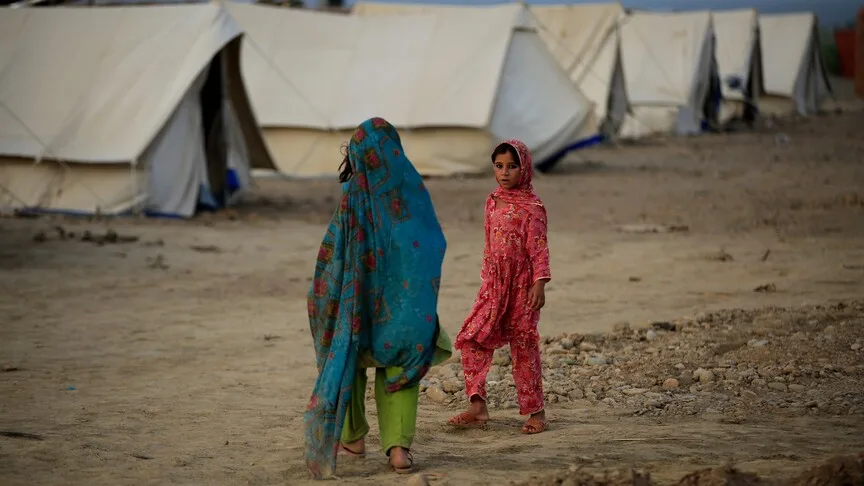
The resolution also expressed serious concern over worsening human rights conditions in Afghanistan, particularly for women and girls [1]. Ahead of the one-year extension vote, the US had requested a shorter three-month extension in March 2026 to allow for a broader strategic review of the mission [1]. The US representative commented that "a streamlined, fit-for-purpose UNAMA mandate is essential" and welcomed the strategic review requested by the resolution [1].
As part of the resolution, the Security Council requires a strategic review of UNAMA’s operations. A written report on the review must be submitted by March 31, 2027 [1]. This review will assess how the mission can be adapted to current conditions on the ground.
UNAMA’s mandate now officially runs through June 17, 2027, maintaining the UN’s presence and efforts in Afghanistan during a period of ongoing political and humanitarian challenges [1, 2]. The strategic review report due in March next year will guide future decisions about UNAMA’s role.