The UN released its Third World Ocean Assessment (WOA III) report on June 8, warning that the world's oceans face a deepening crisis from warming, pollution, overfishing, and biodiversity loss. The report covers data from 2018 to 2023, compiled by over 600 scientists from 86 countries, spanning 1,352 pages [1, 2, 3, 4].
Since 2018, oceans have absorbed more than 90% of excess heat and 30% of fossil fuel CO2 emissions. Approximately 16% of the ocean heat content increase since 1955 occurred during this period, accelerating warming trends [1, 2, 4]. Sea levels are rising faster than before, with the annual rise rate doubling from less than 2.0 mm/year before 2015 to 4.3 mm/year last year [1, 2, 3, 4].
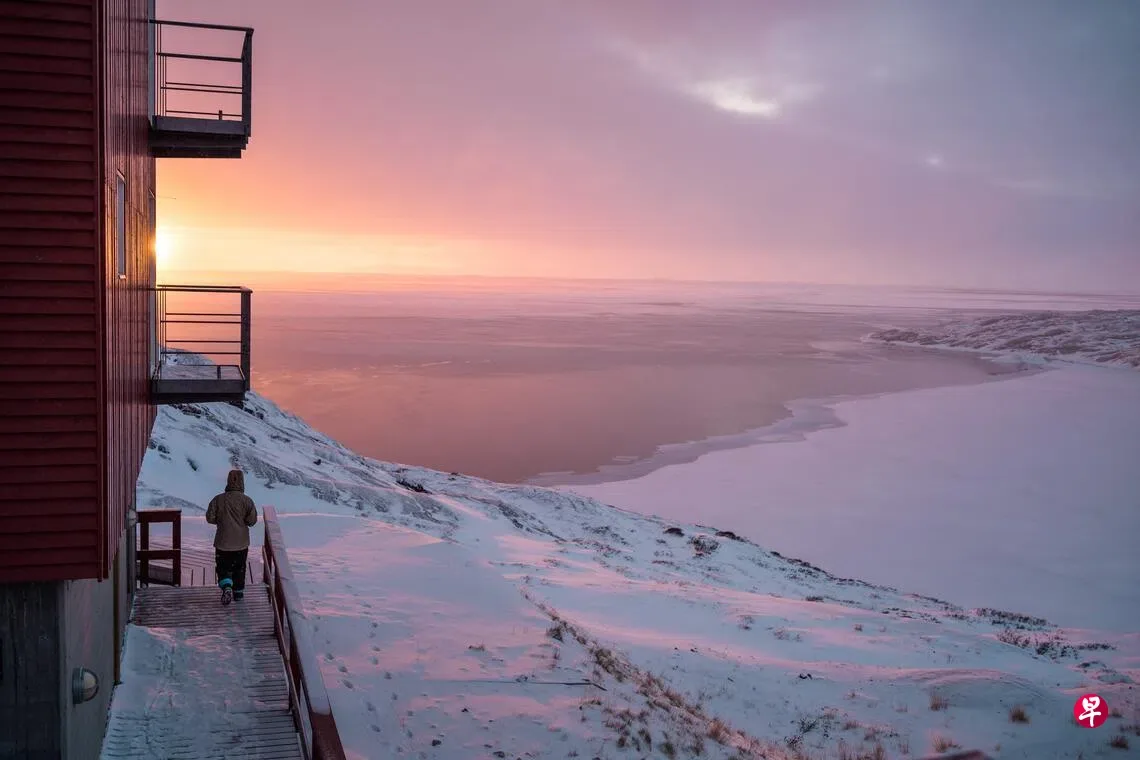
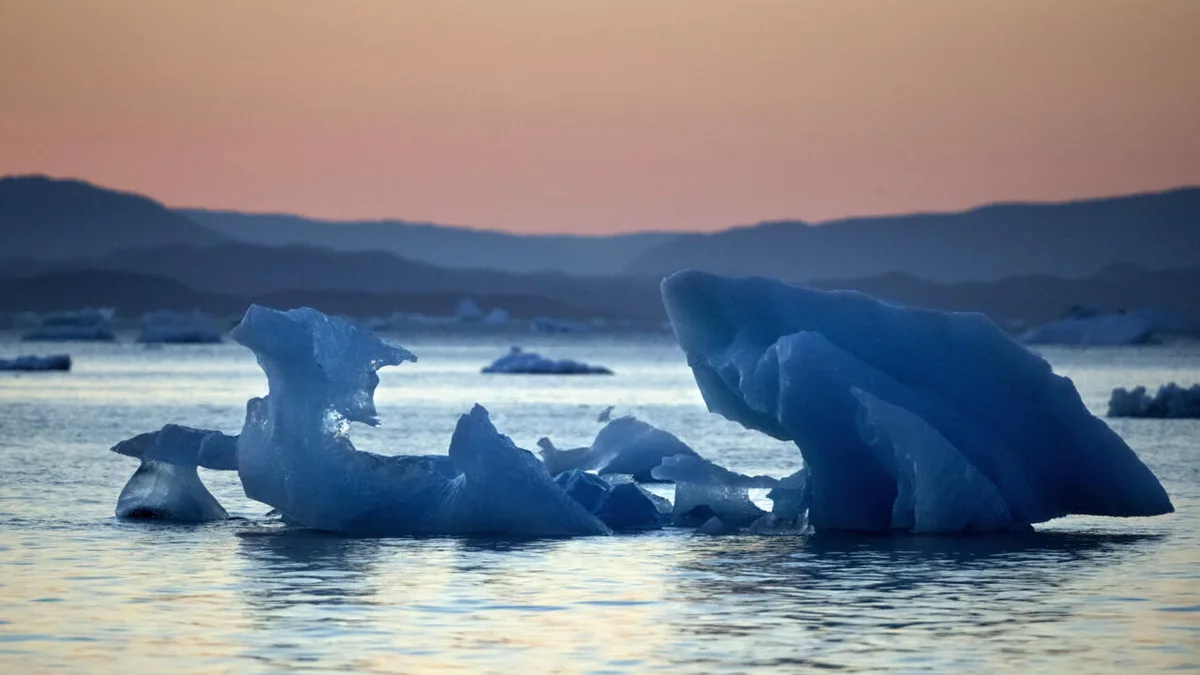
The Arctic Ocean faces rapid ice loss, with projections showing it could be ice-free in September by mid-century, potentially as early as the 2030s depending on emissions. Ian Butler, lead author and marine biologist, said, "We are seriously considering that the Arctic Ocean will be entirely ice-free for part of the year within the next 10 to 20 years" [1, 2, 3]. The Arctic sea ice minimum occurs around mid-September each year after summer melt [2].
Antarctic sea ice expanded gradually from 1979 to 2015 but has sharply declined since 2016 [2].
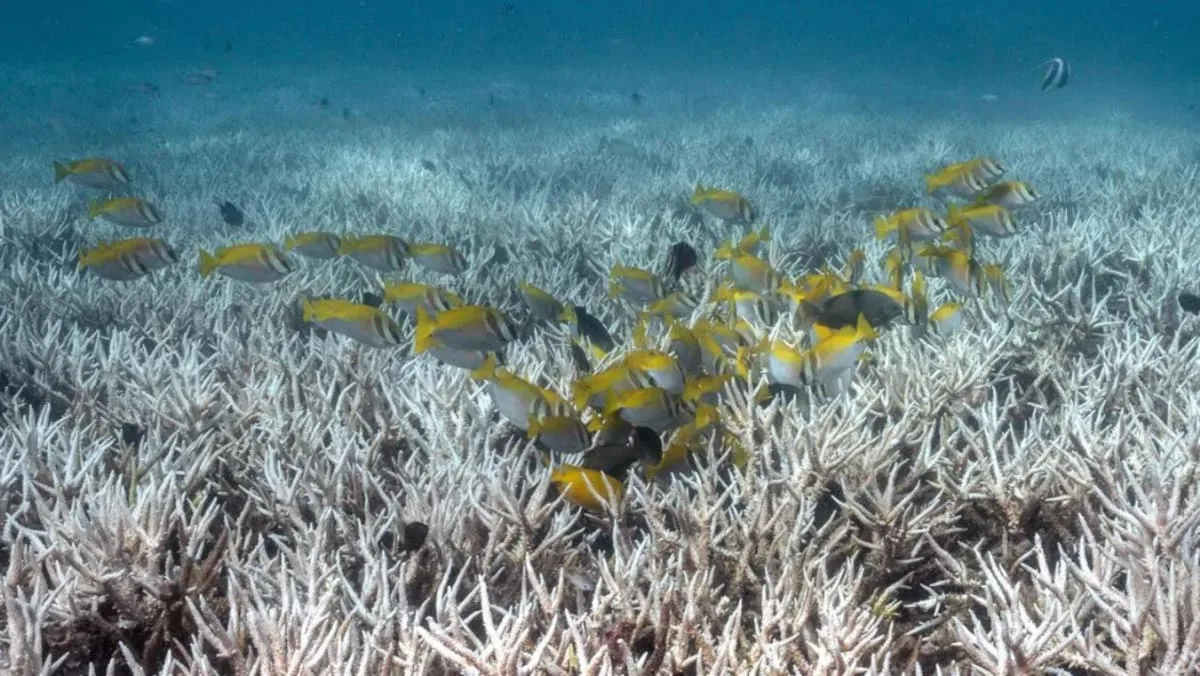
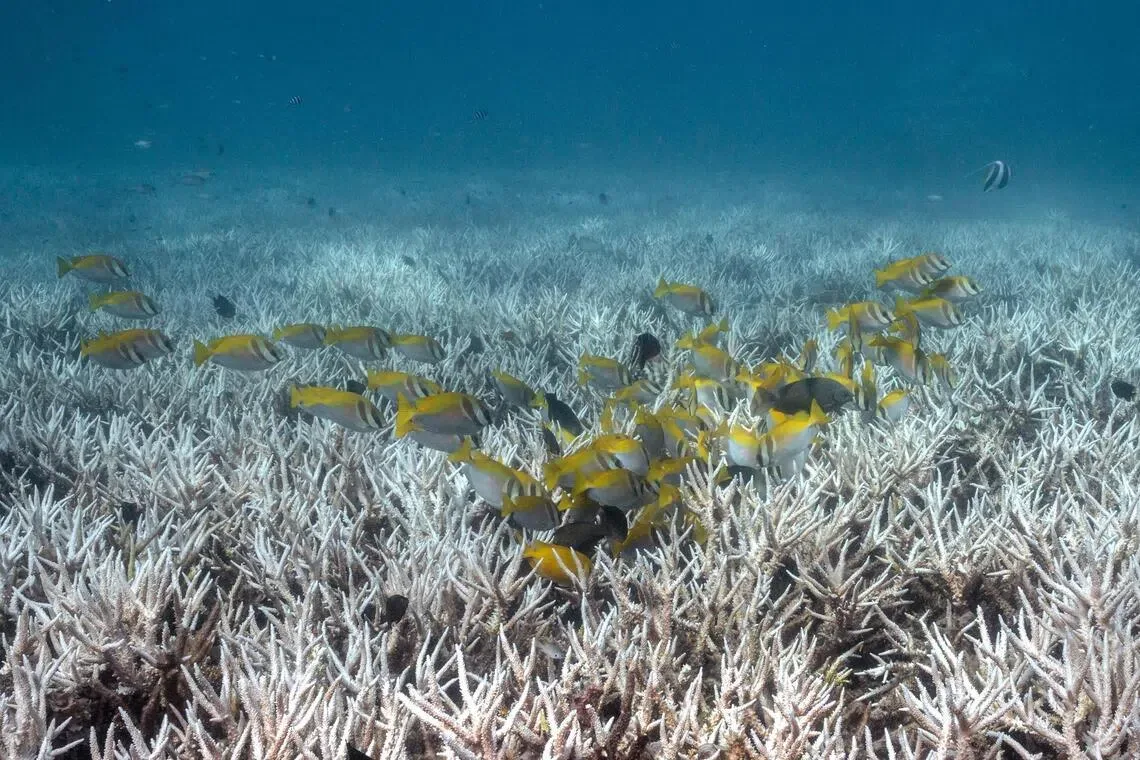
Marine biodiversity suffers as species migrate to colder or deeper waters due to climate change. Some fish face no viable future due to habitat loss. Coral reefs are especially threatened. Recurrent marine heatwaves and storms since 2018 have led to widespread coral bleaching and mortality. The report warns that if global warming surpasses 1.5°C above pre-industrial levels, 90% of coral reefs could vanish [2, 3].
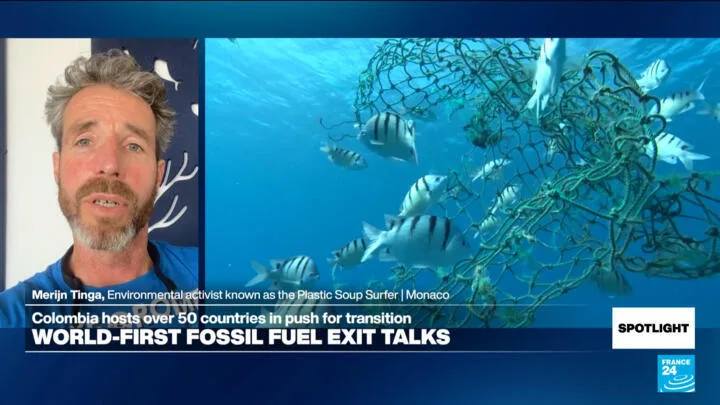
Plastic pollution remains a major problem, with more than 50 million tons entering oceans annually. This produces trillions of microplastic particles, impacting over 4,000 marine species [3]. Deep-sea mining also poses emerging risks because of harmful waste and noise effects on marine life [2].
Solutions proposed include reducing greenhouse gas emissions, expanding marine protected areas, promoting nature-based approaches, and cutting plastic production. However, even complete ocean ecosystem restoration would contribute only about 2% to global climate mitigation goals, requiring broader systemic changes [2, 3].
UN Secretary-General Antonio Guterres said, "We cannot keep treating the ocean as limitless. Urgent global collaboration is needed to protect marine ecosystems." He added, "We must build a new relationship with the ocean: Grounded in science. Framed by international law. And built on shared responsibility" [1, 4]. Greenpeace called the report "an urgent alarm bell for governments to take action to protect the oceans" [2].
The report's findings highlight challenges that are expected to continue rising in severity, with the next decade critical for limiting impacts. The Arctic could see its first completely ice-free September within 10 to 20 years, a milestone scientists are closely monitoring [2, 3].