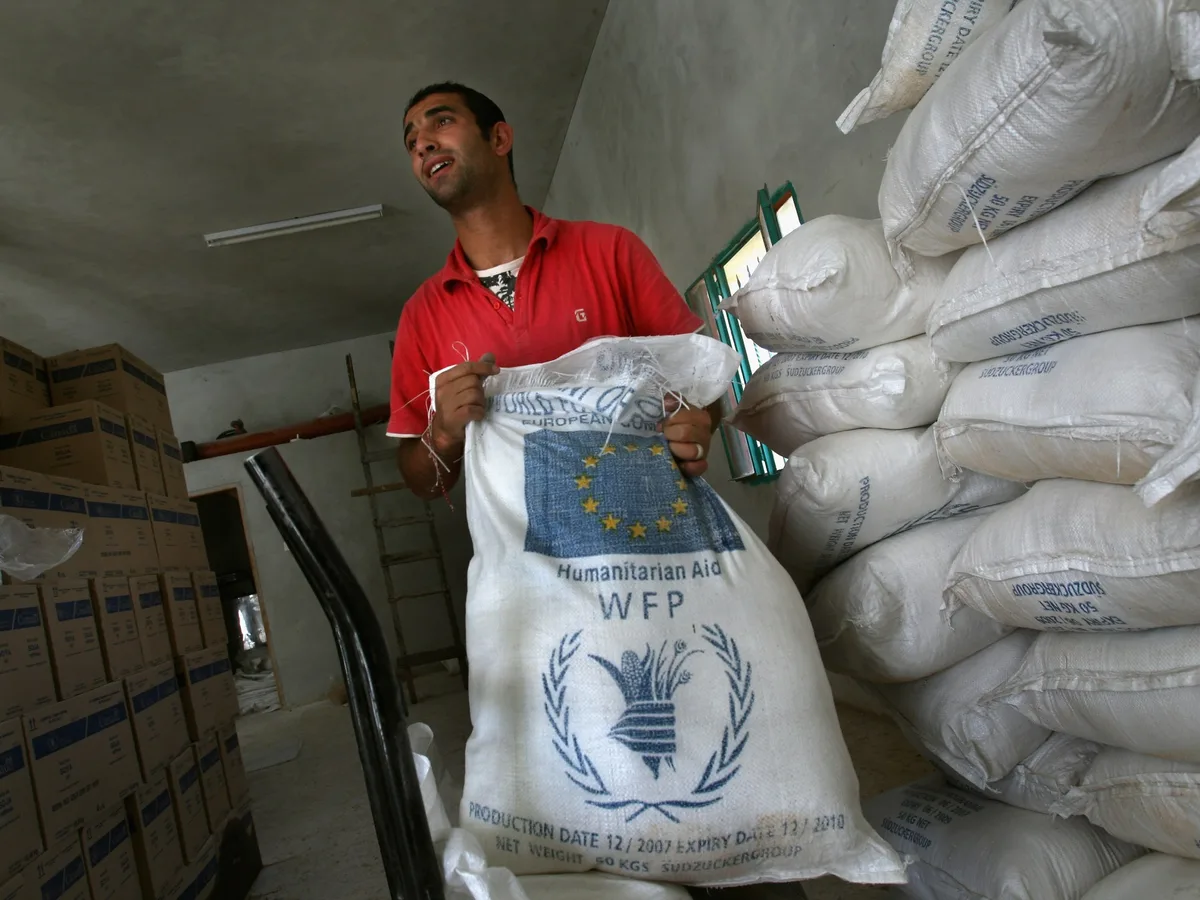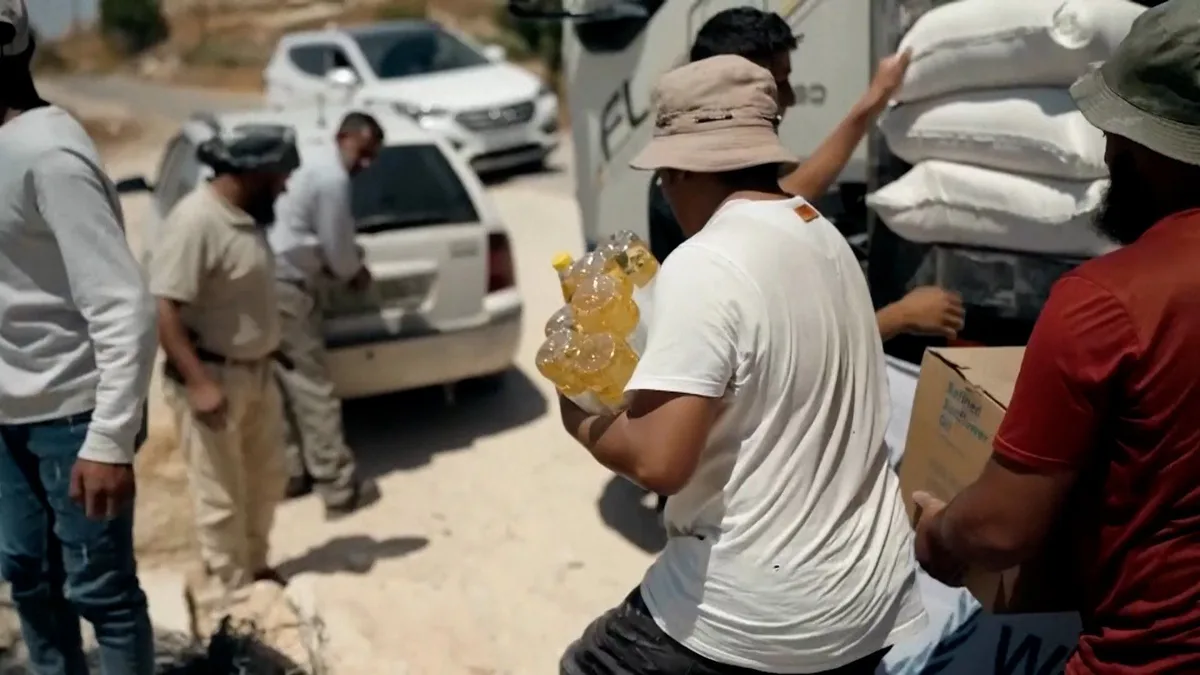
The UN World Food Programme (WFP) announced on September 1 that it has halved its food assistance in the occupied West Bank, reducing support from 400,000 people to 200,000 because of funding shortages [1, 2, 3, 4]. Shaun Hughes, WFP Country Director for Palestine, said, "Right now, we should be scaling up our assistance in the West Bank, not cutting these vital lifelines" [1].
The West Bank has approximately 900,000 food-insecure people, about one quarter of its population [3, 4]. Food insecurity in the region has doubled compared to two years ago, driven by escalating Israeli military operations, settler violence, movement restrictions, demolitions, and displacement that have worsened Palestinian livelihoods and access to food [1, 2, 4]. Settlements in the West Bank are considered illegal by most UN bodies and countries, though Israel disputes this legal classification [1, 4].
The WFP also supports about 1.5 million people in Gaza, where cuts have been ongoing. In July 2026, the agency reduced the cash value of assistance by 40% for 375,000 people in Gaza due to similar funding shortfalls [1, 5, 3, 4]. Shaun Hughes urged the international community to step up support, stating, "We urge the international community to act immediately and step up support for Palestinians" [3].
Western donors, including the US, have sharply cut funding since last year, prioritizing domestic spending and defense, leaving the WFP in urgent need of $386 million over six months to serve about 2 million food-insecure people in Gaza and the West Bank [1, 3].
The aid reduction began in September 2026 and marks a significant cutback in humanitarian support amid rapid deterioration in the region's food security. The WFP faces a critical funding gap if immediate contributions are not secured.