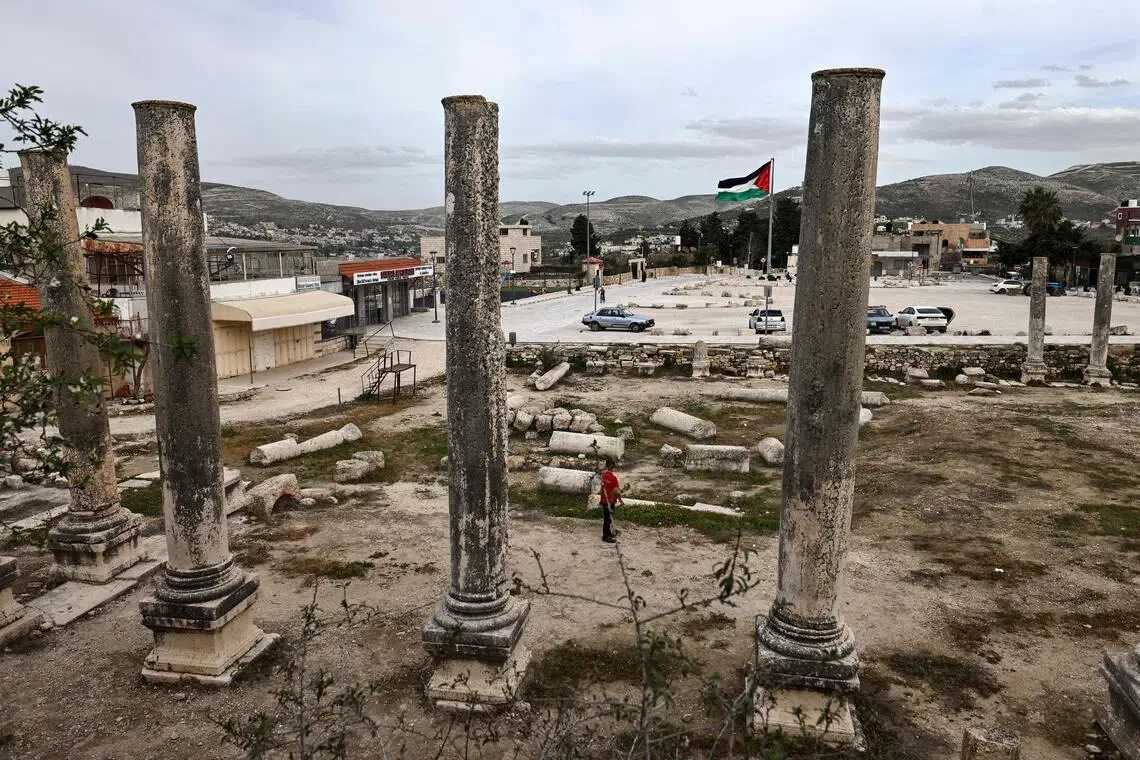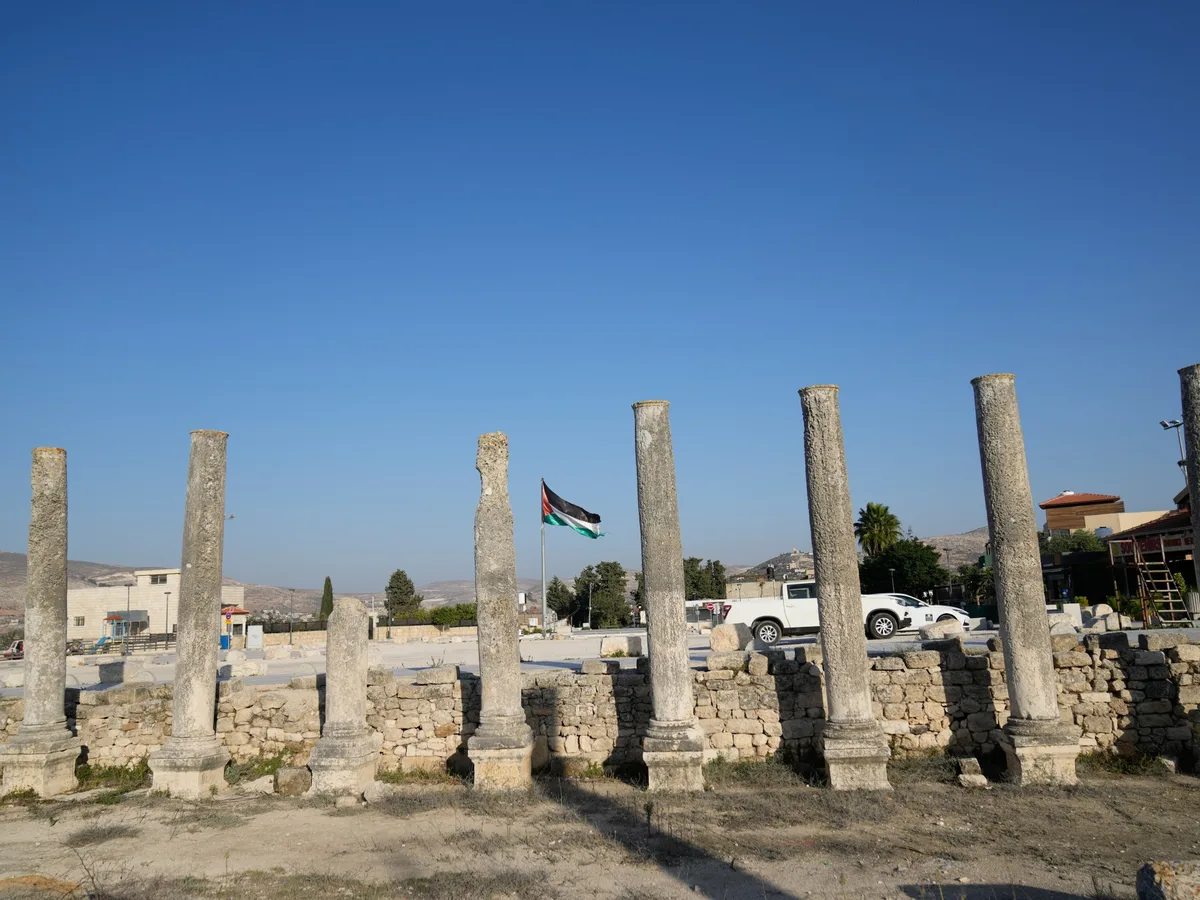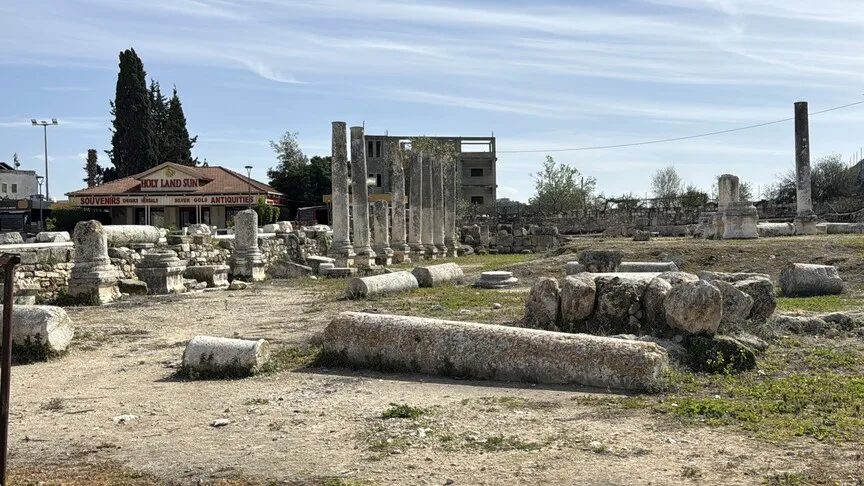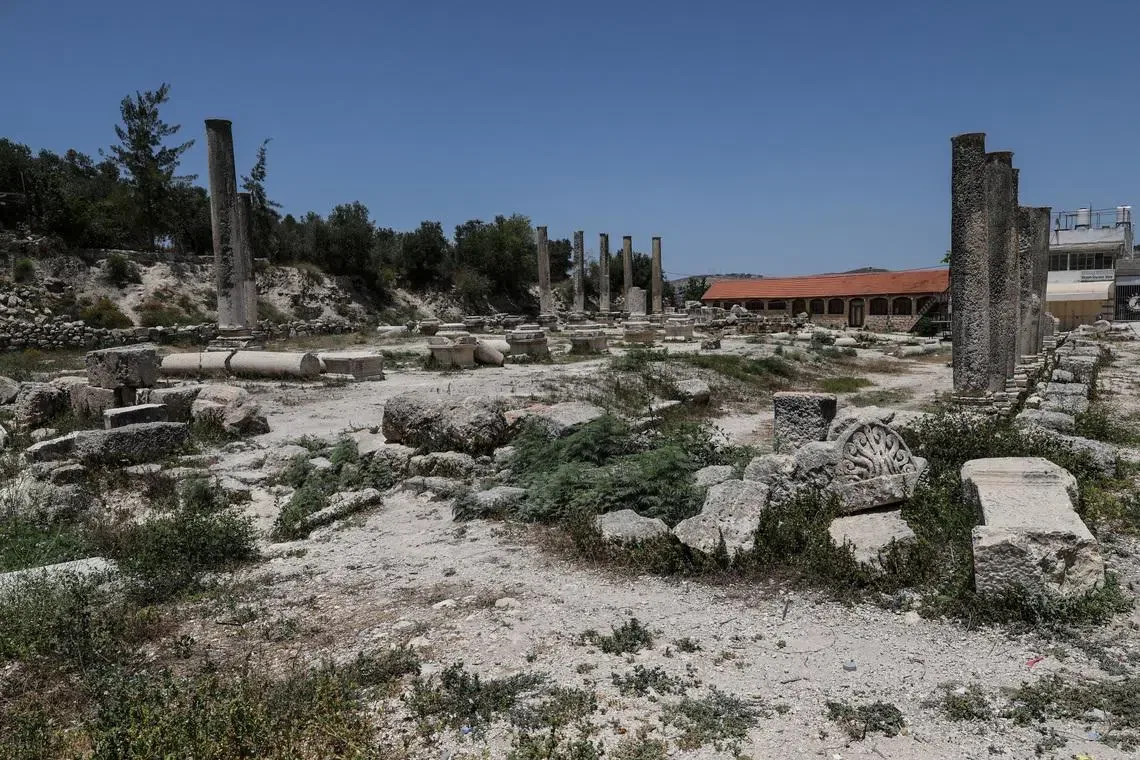
UNESCO added the archaeological site of Sebastia in the occupied West Bank and five castles in southern Lebanon to the List of World Heritage in Danger on July 24, 2026, under an emergency procedure at its 48th session in Busan, South Korea [1, 2, 3]. The designation passed with support from all 196 UNESCO member states [1].
Sebastia, identified as ancient Samaria, contains ruins from the Iron Age through Ottoman rule and holds religious significance. It lies near the modern Palestinian village of Sebastia in the northern West Bank [1, 4, 2, 3]. UNESCO cited threats including Israeli land expropriation, bypass roads limiting Palestinian tourism, fences, and entry fees that hamper access [1, 4, 2, 3]. In 2025, Israeli authorities expropriated about 200 hectares (445 acres) of Palestinian land near Sebastia, claiming preservation and development purposes [1, 4, 2].
Nizar Kayed, deputy mayor of Sebastia, said, "We hope that this decision will enable us to preserve Sebastia" [4]. Palestinian authorities welcomed the UNESCO listing as both a protection measure and a national achievement for preserving cultural heritage [1, 4, 3]. There is concern that proposed Israeli laws extending civil control over West Bank ancient sites could undermine Palestinian oversight [4].
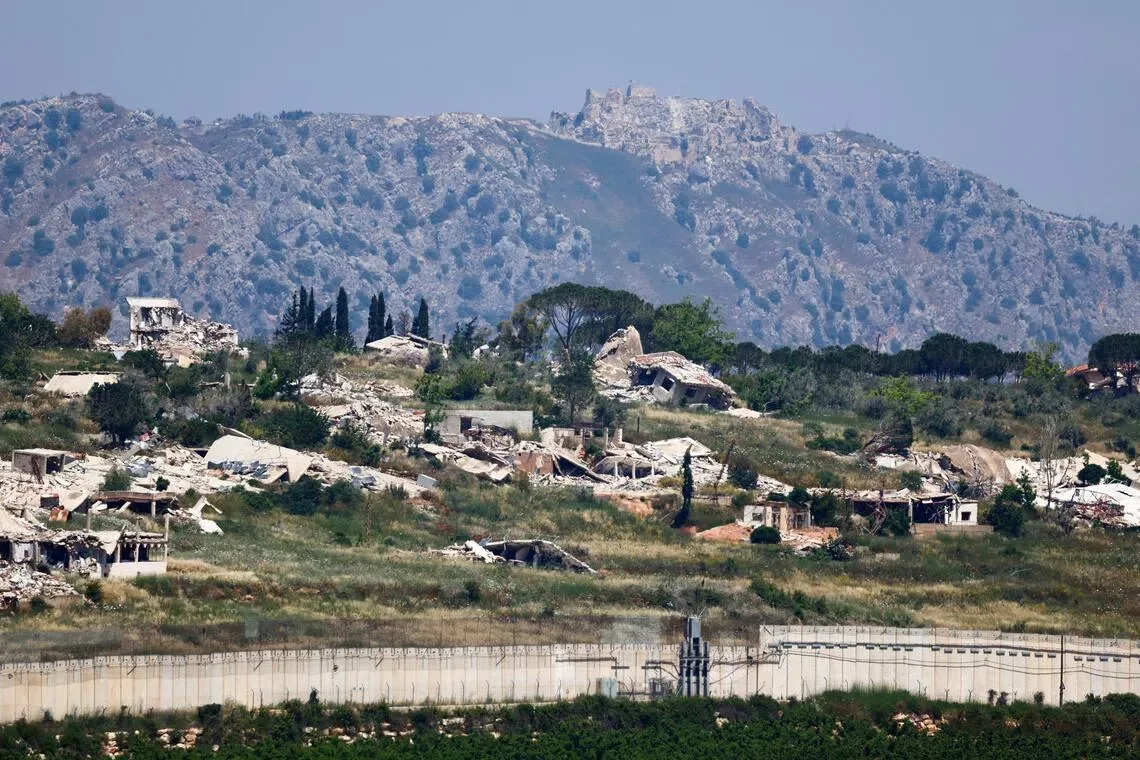
The five Lebanese castles included Beaufort Castle and Shamaa Castle. Beaufort was captured by Israeli forces in May 2026 during fighting with Hezbollah [1, 2]. Lebanese officials say some castles have been threatened or damaged by Israeli bombardment; Israel denies this and accuses Hezbollah of militarizing the forts [1, 2]. A Lebanese delegate maintains the castles have only been used for tourism since Israel’s 2000 troop withdrawal [2]. Lebanese Culture Minister Ghassan Salame called the listing "a remarkable achievement in the effort to protect these important Lebanese historical landmarks" [1].
Israeli Foreign Minister Gideon Saar condemned the UNESCO decision as political, asserting "No vote in an international organization can change history" and claiming the West Bank listing sought "to erase the Jewish connection to this land" [4, 2].
The next developments will focus on how the involved parties respond to the designation and management of the threatened sites amid ongoing regional tensions.