The United States and Iran have reached a peace agreement to end more than three months of war in the Gulf region. Pakistani Prime Minister Shehbaz Sharif announced the deal on June 14, 2026, after mediating talks between the two countries [1].
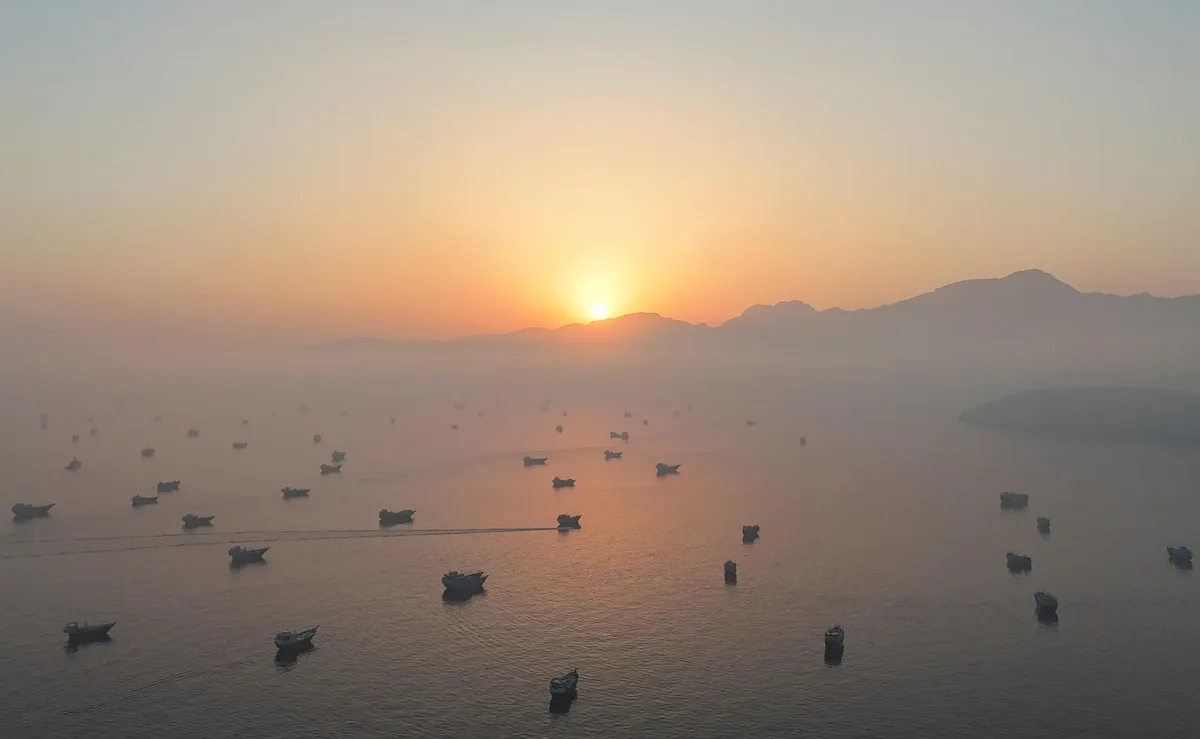
A formal signing ceremony is scheduled for this Friday in Switzerland [2, 1]. The deal aims to halt the US blockade of Iran and reopen the Strait of Hormuz, a vital global oil chokepoint. About 20 million barrels per day passed through the strait in 2024, representing roughly 20% of global petroleum liquids consumption [2].
According to a draft memorandum, the agreement covers Tehran’s nuclear program, sanctions relief, reopening of the strait, and the release of US$25 billion in Iranian assets frozen abroad. These assets could be released over a 60-day negotiation period following the deal’s signing [2].
Asian leaders have voiced relief at the breakthrough but remain cautious. Japanese Prime Minister Sanae Takaichi expressed hope that “free and safe navigation through the Strait of Hormuz will be ensured in practice, and that a final agreement on Iran’s nuclear issue and other matters will be reached as soon as possible” [2].
Business communities and energy traders welcomed the deal as a source of real economic relief but urged caution on its aftermath and durability [1].
The next major event will be the scheduled signing ceremony in Switzerland on Friday, which will formalize the agreement and mark a potential turning point in Gulf tensions and global energy markets [2, 1].