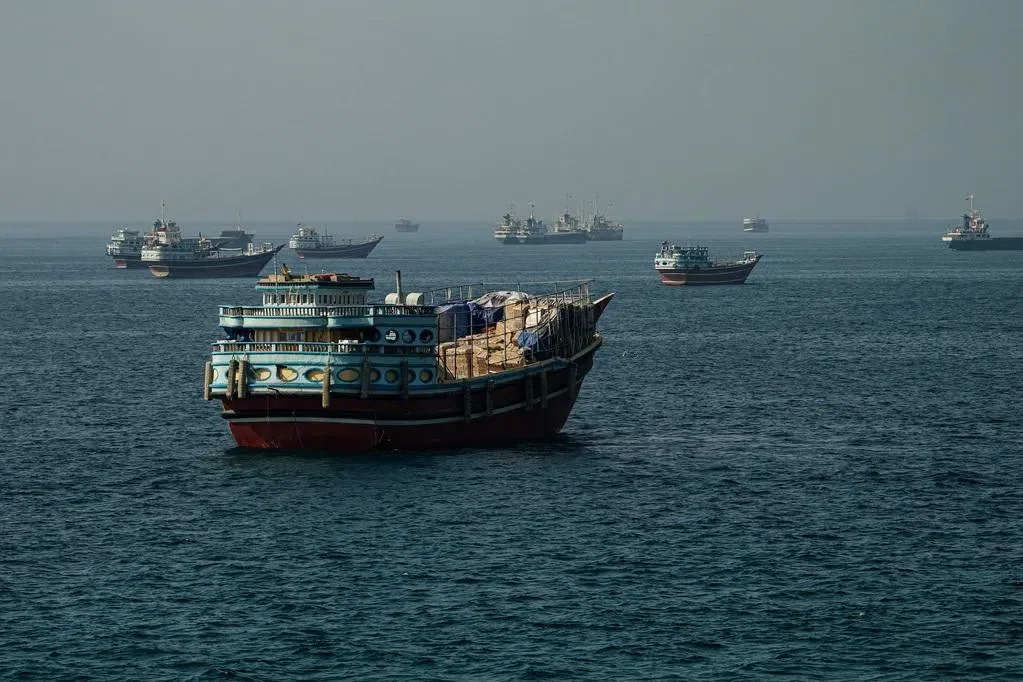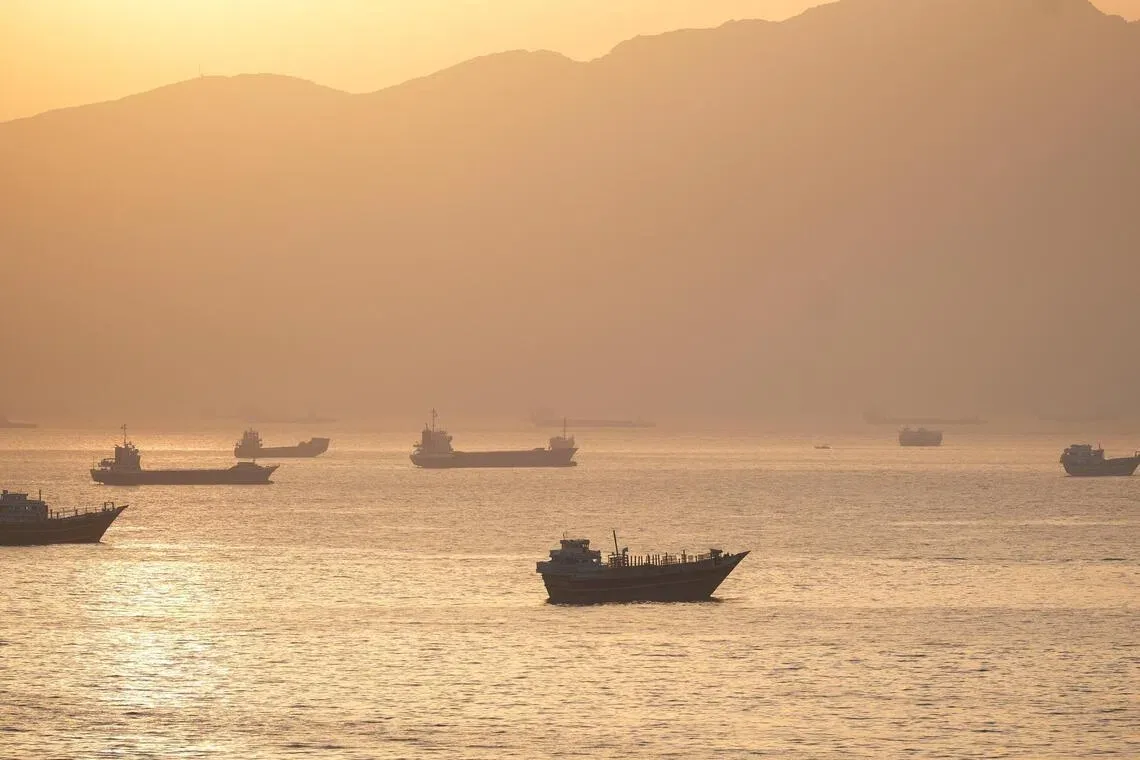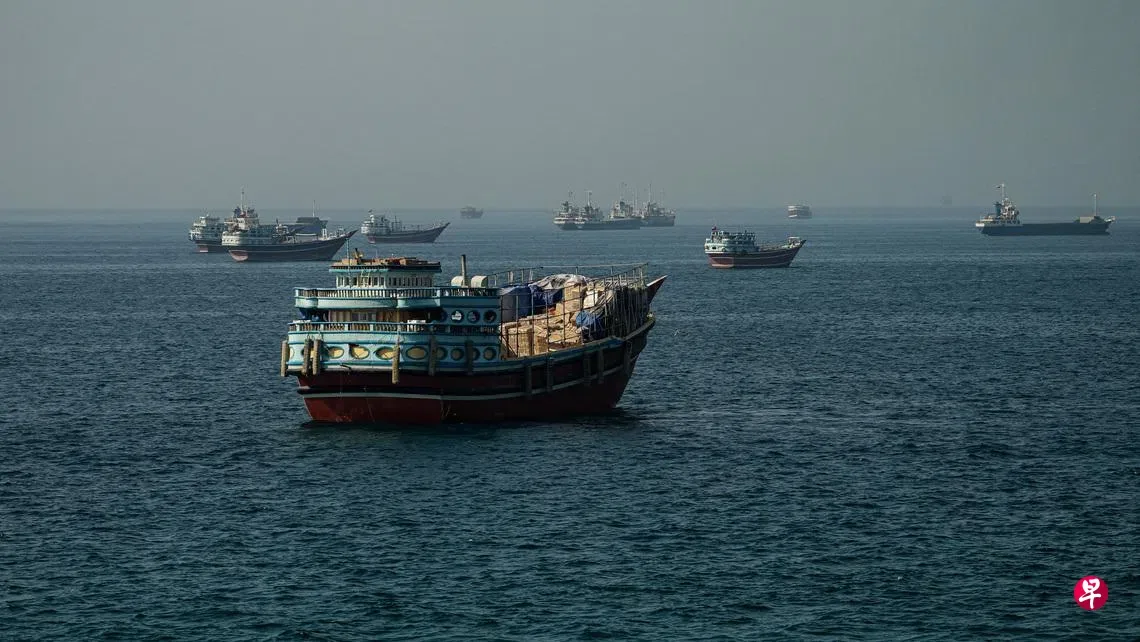
The US military disabled the Gambia-flagged cargo ship M/V Lian Star on May 29 by firing a Hellfire missile into its engine room after the vessel ignored more than 20 warnings and attempted to sail to an Iranian port, US Central Command said [1, 2, 3]. The disabling occurred in international waters in the Gulf of Oman, and the ship no longer poses a transit threat toward Iran [1, 4].
US Central Command oversees the blockade enforcement on Iranian ports, which began on April 13, 2026, in response to Iran effectively halting traffic through the Strait of Hormuz, a vital global oil and gas transit point [1, 3, 5]. Since the blockade started, US forces have disabled five commercial vessels including the Lian Star and redirected approximately 115 to 116 ships to maintain the blockade's integrity [1, 3, 4, 5].
“The US aircraft disabled the vessel by firing a Hellfire missile into the ship’s engine room after Lian Star’s crew failed to comply. The ship is no longer transiting to Iran,” US Central Command stated [1]. No details were released regarding casualties or injuries aboard the Lian Star after the strike [1, 5].
US Secretary of Defense Pete Hegseth said on May 30 that the US military is ready to resume strikes if peace negotiations do not produce a deal to end hostilities and reopen the Strait of Hormuz [2, 3, 6]. Hegseth added Washington was “more than capable” of restarting the war if necessary [6]. Negotiations to end the war and restore traffic through the Strait of Hormuz have yet to reach a final agreement [1, 5].
The US Central Command publicly announced enforcement statistics and the disabling of the Lian Star on May 30 [1, 2]. The blockade will remain in effect until a peace deal is secured or new directives are issued.