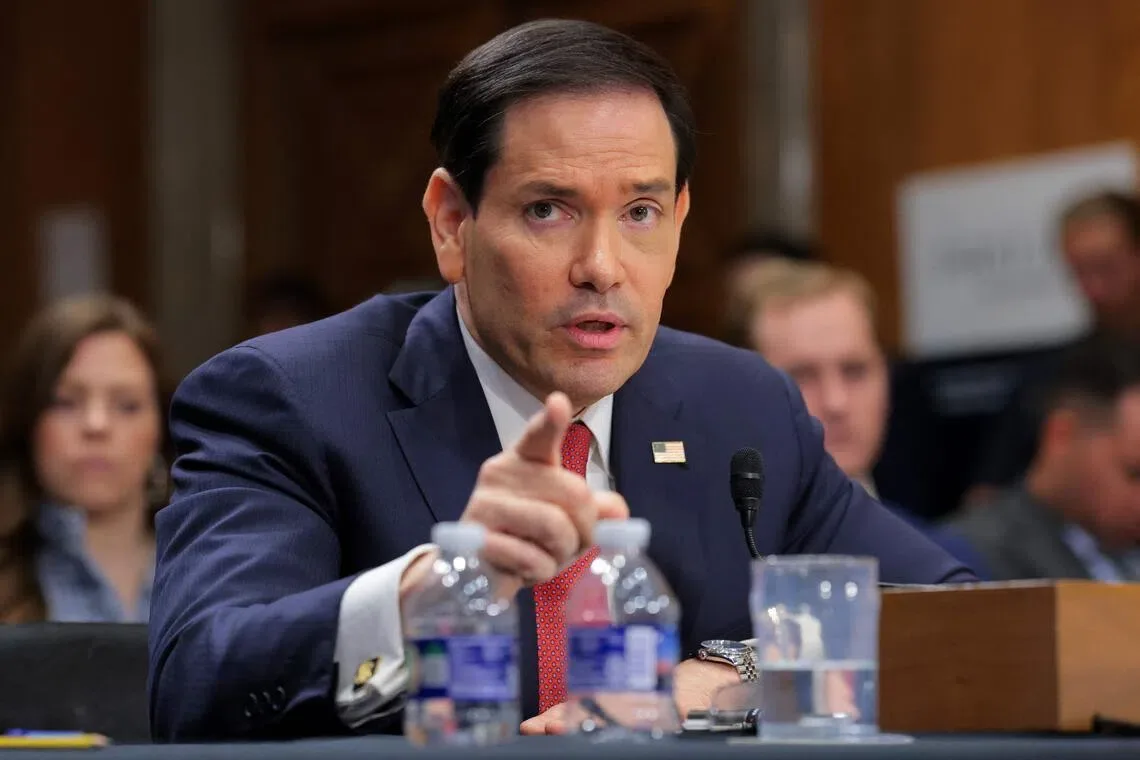
US Secretary of State Marco Rubio expressed hope for a deal to end the ongoing war with Iran that would require Tehran to severely curtail its nuclear program before receiving sanctions relief. He said, "If they agree to give up those things, there will be sanctions relief" and stressed the centrality of nuclear restrictions, saying, "Iran is being sanctioned because they’ve highly enriched uranium, Iran is being sanctioned because of their nuclear activities" [1].
Rubio also said any peace agreement must include the reopening of the Strait of Hormuz, which remains closed amid the conflict and continues to disrupt global energy markets. He called this reopening a key condition for diplomatic progress [1].
Addressing the status of Iran’s leadership, Rubio stated that Iran’s Supreme Leader Mojtaba Khamenei, reportedly wounded in recent US-Israeli strikes, is "alive and increasingly active," countering some earlier reports of his incapacitation [1, 2].
Rubio highlighted the heavy toll on Iran’s military capabilities, noting that Iran "has no navy left," has lost a significant portion of its defense industrial base and missile launchers, and its economy has deteriorated substantially compared to six to nine months ago [1].
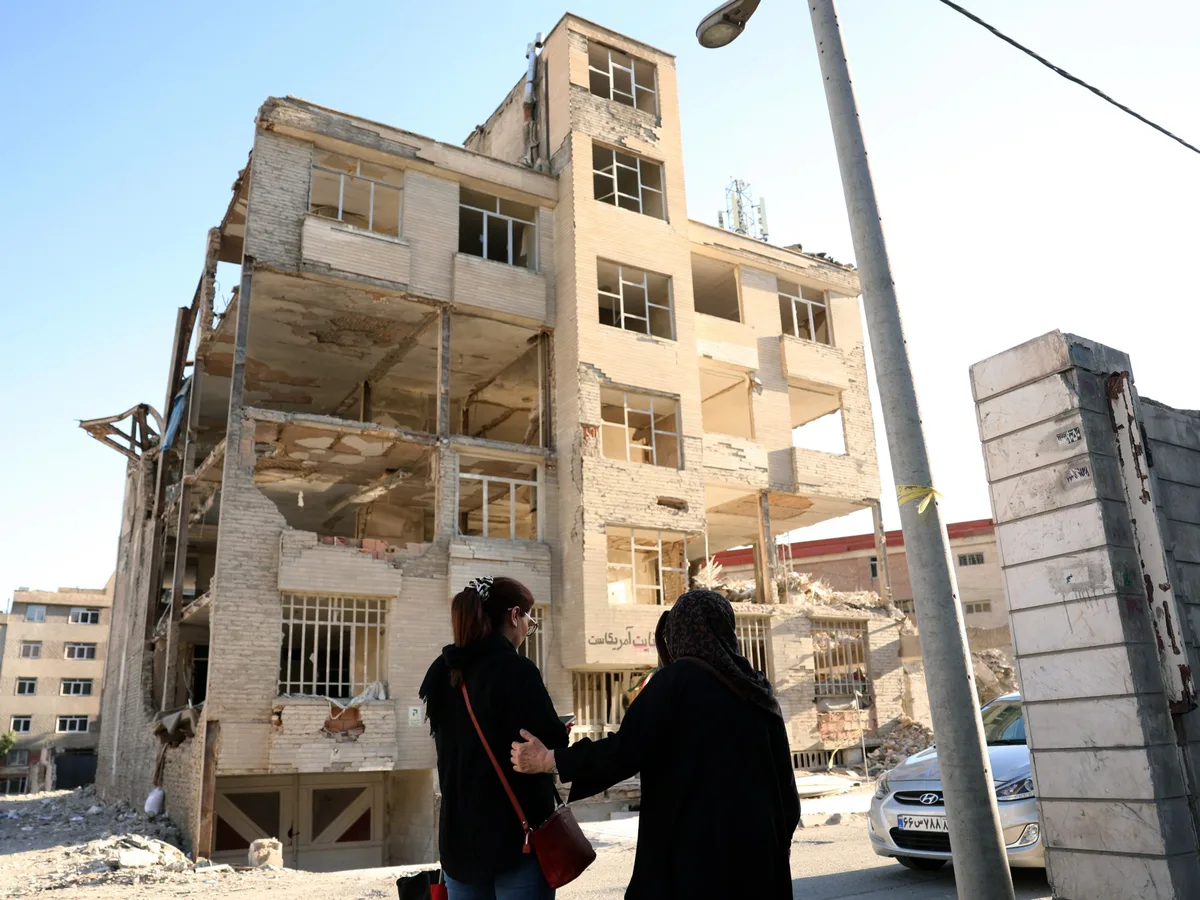
The US military confirmed it carried out "self-defence" strikes on Iran's Qeshm Island on June 3 amid escalating regional tensions, including missile and drone interceptions in the Gulf [2]. Iranian forces claim to have retaliated by targeting US and Israeli vessels and military assets with missiles and drones, although independent verification of these claims is not available [2].
US President Donald Trump acknowledged ongoing negotiations with Iran but said the outcome remains uncertain [1, 2].
The conflict continues 96 days after US and Israeli strikes on Iran began. Rubio testified before the Senate Foreign Relations Committee on June 2, emphasizing nuclear restraints and the reopening of the Strait of Hormuz as preconditions for peace [1]. The US military strikes on Qeshm Island and the subsequent regional military exchanges occurred the following day [2].