The Venice Biennale, one of the world’s largest contemporary art events held biennially in Venice, Italy, will challenge the European Union’s decision to cut its funding by €2 million amid controversy over Russia’s participation [1].
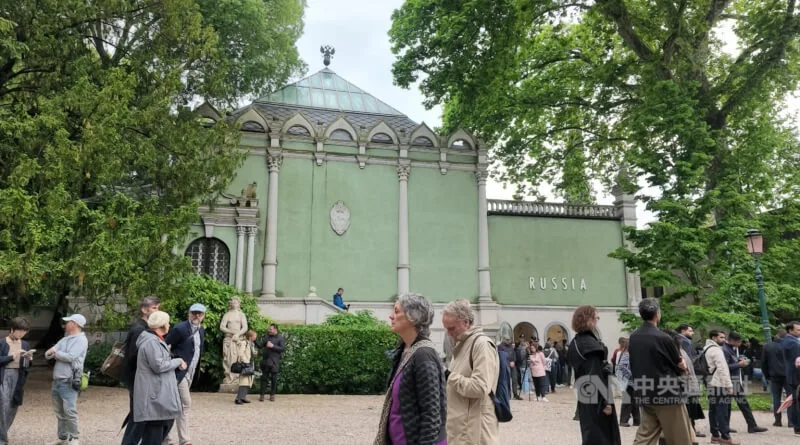
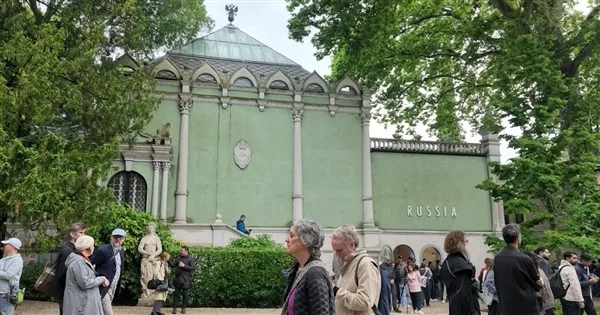
Russia was excluded from the Biennale following its full-scale invasion of Ukraine in 2022 but returned to the 2026 edition, which opened in May. The EU Commission withdrew the €2 million grant—equivalent to about $2.3 million or 73.8 million New Taiwan dollars—due to concerns over the Russian pavilion’s presence [1, 2, 3].
The EU’s decision followed legal advice and a recommendation from Brussels officials. A spokesperson said, “Cultural events financed with European taxpayers’ money should safeguard democratic values and promote dialogue, diversity and freedom of expression, values that are not respected in present-day Russia” [1]. Similar statements emphasized that publicly funded cultural activities must uphold these principles [2].
Venice Biennale President Pietrangelo Buttafuoco defended Russia’s participation as important for global coexistence and rejecting censorship. Organizers stressed that the loss of EU funding does not significantly affect the overall Biennale budget or its activities, arguing the cut impacts projects unrelated to Russia’s pavilion [1].
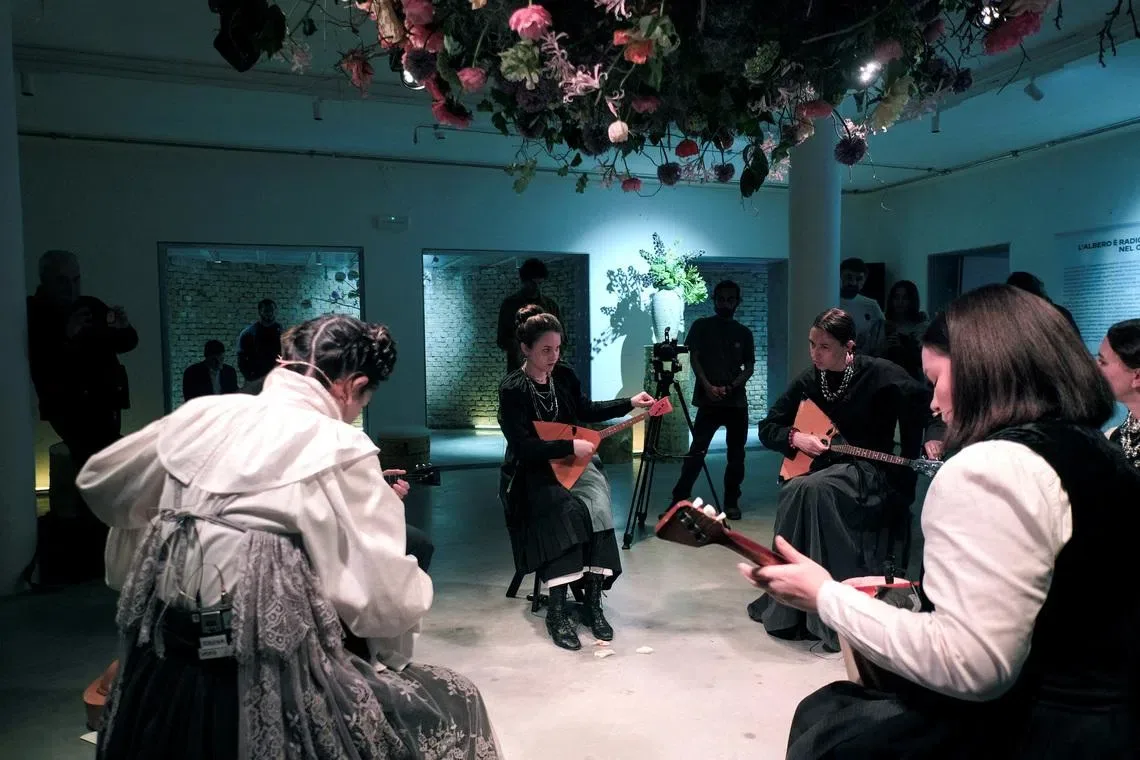
During the May opening, public access to the Russian pavilion was limited to four press preview days; after that, visitors could only experience external video projections and live music performed outside the pavilion [1].
The Biennale announced on July 22 it will legally contest the decision to withdraw EU funding following the Commission’s recommendation on July 12 to suspend the grant due to Russia’s inclusion [1, 2, 3]. The legal challenge aims to restore the withdrawn €2 million ahead of upcoming programming.
The case marks a notable conflict between cultural diplomacy and EU policy on Russia’s continued presence in European public events.