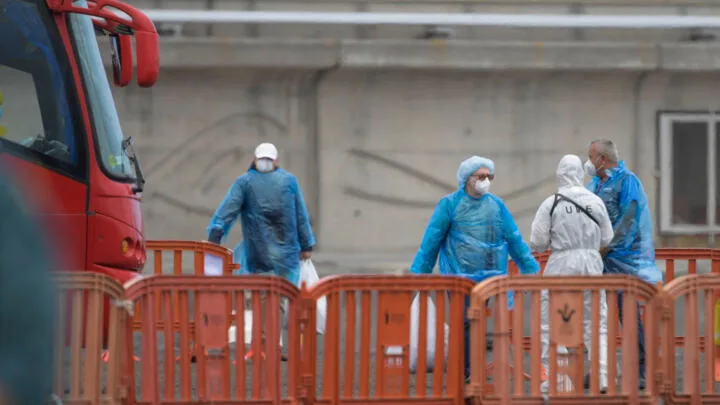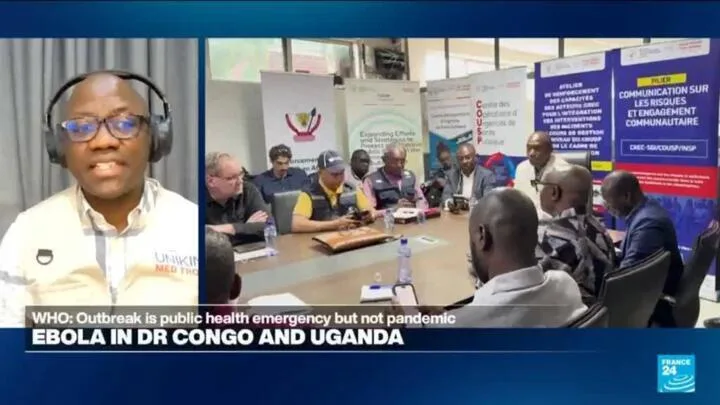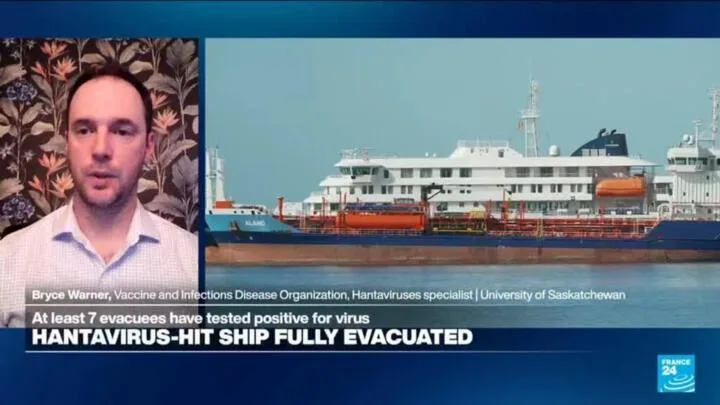
The World Health Organization convened its annual assembly in Geneva from May 18 to May 23, 2026, during ongoing hantavirus and Ebola outbreaks drawing global concern [1, 2]. The hantavirus cluster aboard a cruise ship especially captured international attention amid fears of wider spread [1, 2].
The meeting took place amid major uncertainty over the announced withdrawals of the United States and Argentina from WHO. U.S. President Donald Trump issued a one-year withdrawal notice to WHO in January 2025, with Argentina following soon after [1, 2]. Despite repeated announcements, no formal confirmation has come from WHO regarding the status of these withdrawals [1, 2].
The United States currently owes approximately $260 million in unpaid dues for 2024 and 2025 [1, 2]. Funding cuts and the pending departures forced WHO to reduce its overall budget and staff over the past year [1, 2].
WHO Director-General Tedros Adhanom Ghebreyesus said, “We are stable now and moving forward,” reflecting the organization's effort to maintain course through these challenges [1]. Surie Moon, co-director of the Global Health Centre at the Geneva Graduate Institute, noted, “The situation is still fragile, but they’ve been successful in mobilising most of the funds required for the next two years,” highlighting ongoing financial difficulties but some recent fundraising success [1].
Significant divisions persisted at the assembly. Disagreements between wealthy and developing countries stalled progress on the WHO 2025 pandemic treaty negotiations, which are expected to be extended by another year [1, 2]. Health experts stressed the urgency of a trusted and effectively funded WHO amid infectious disease threats. Moon said the hantavirus crisis “provided a clear illustration of why the world needs an effective, trusted, impartial, reliably-funded WHO” [1].
The WHO annual assembly will conclude on May 23, 2026, with delegates expected to address funding uncertainties and pandemic treaty timelines [1, 2].