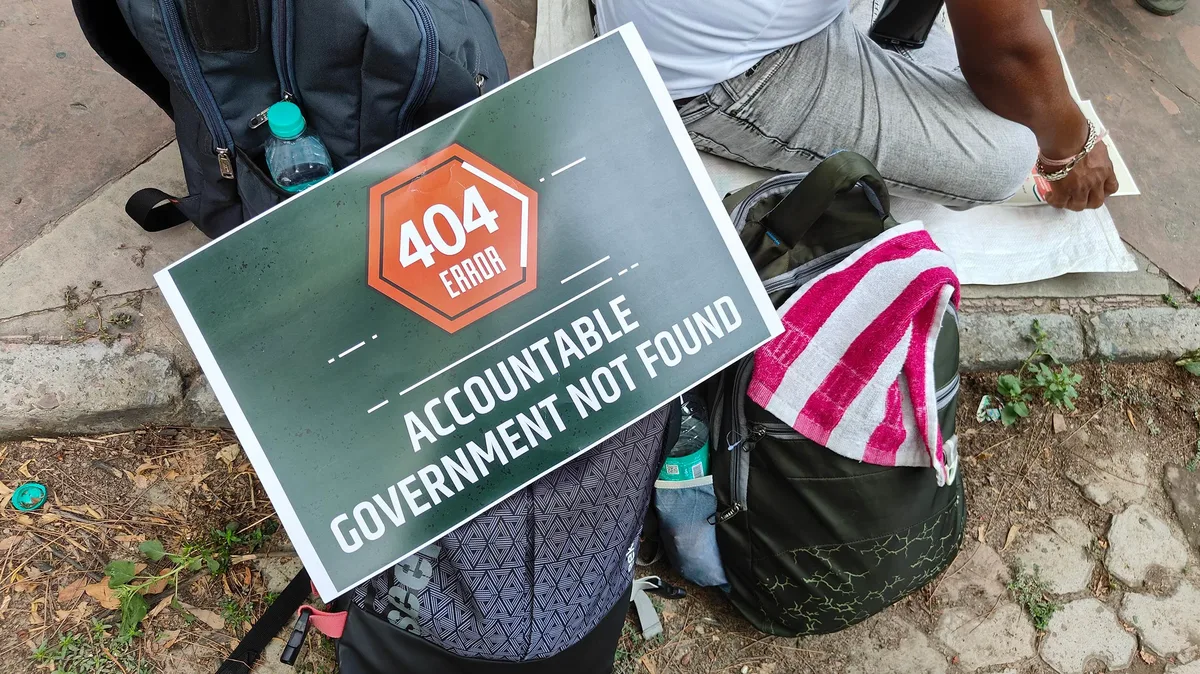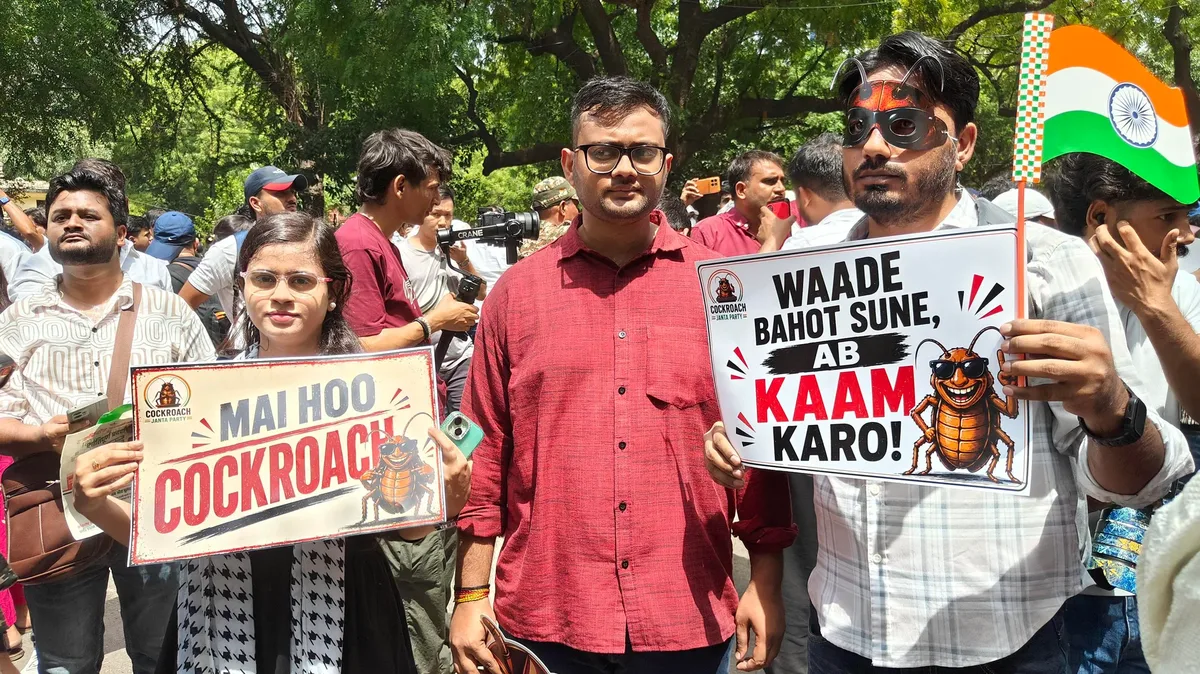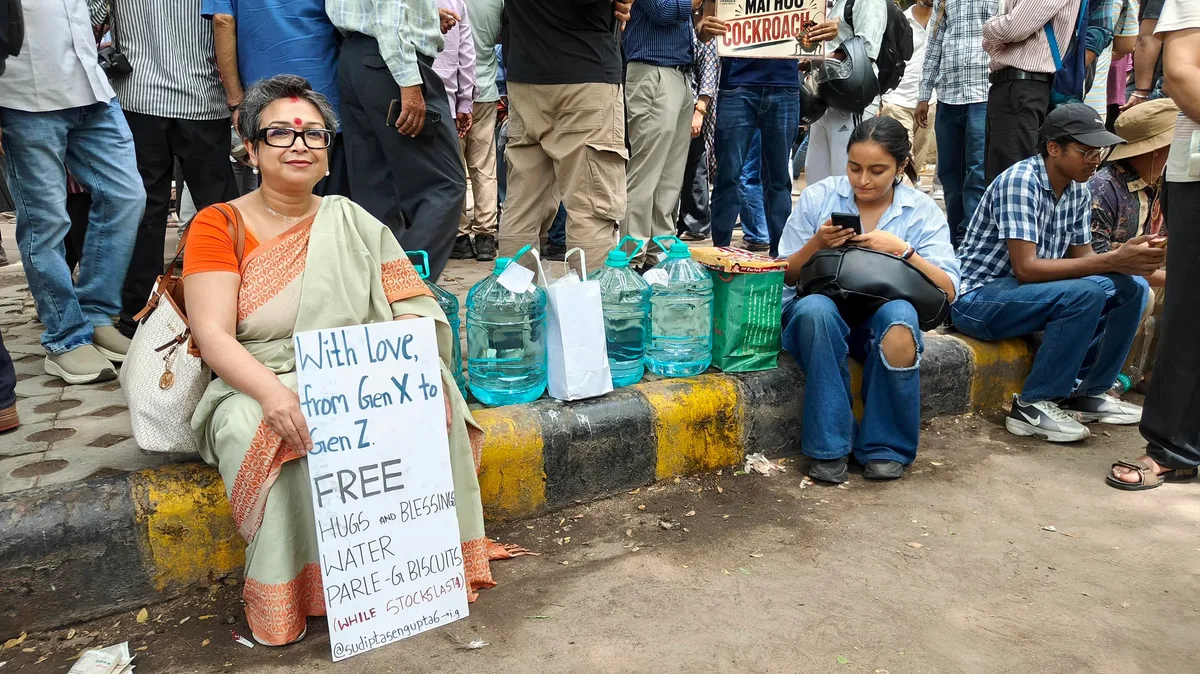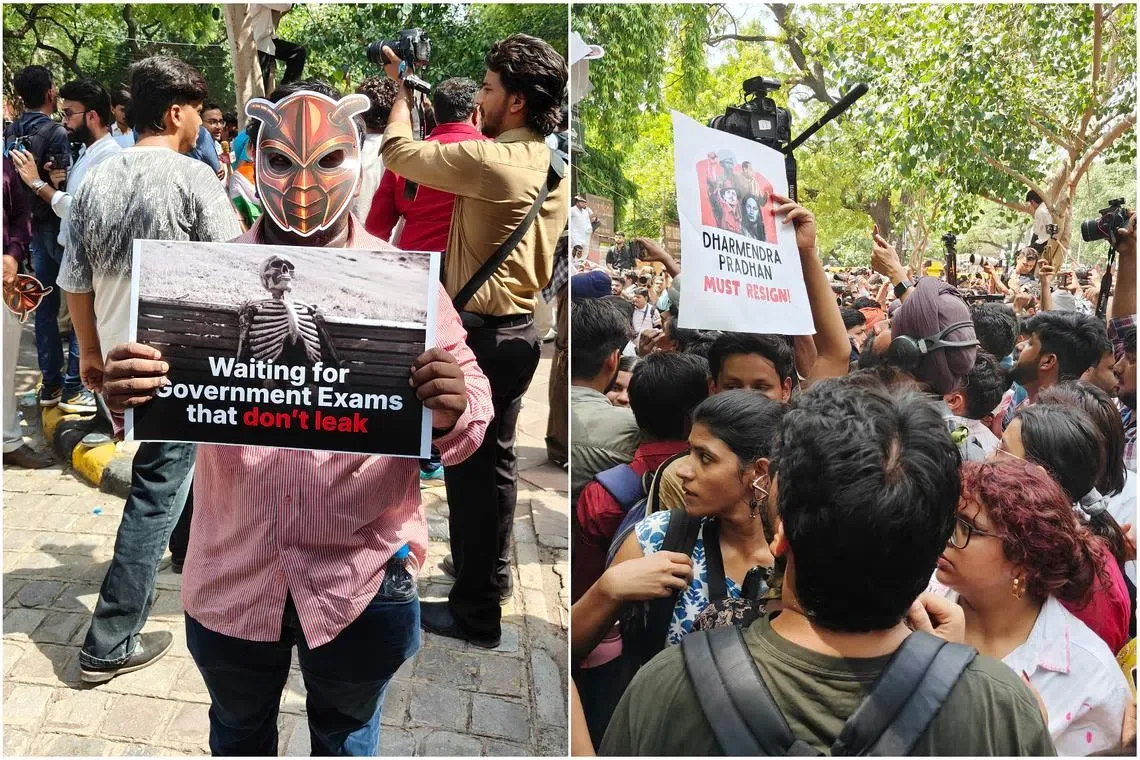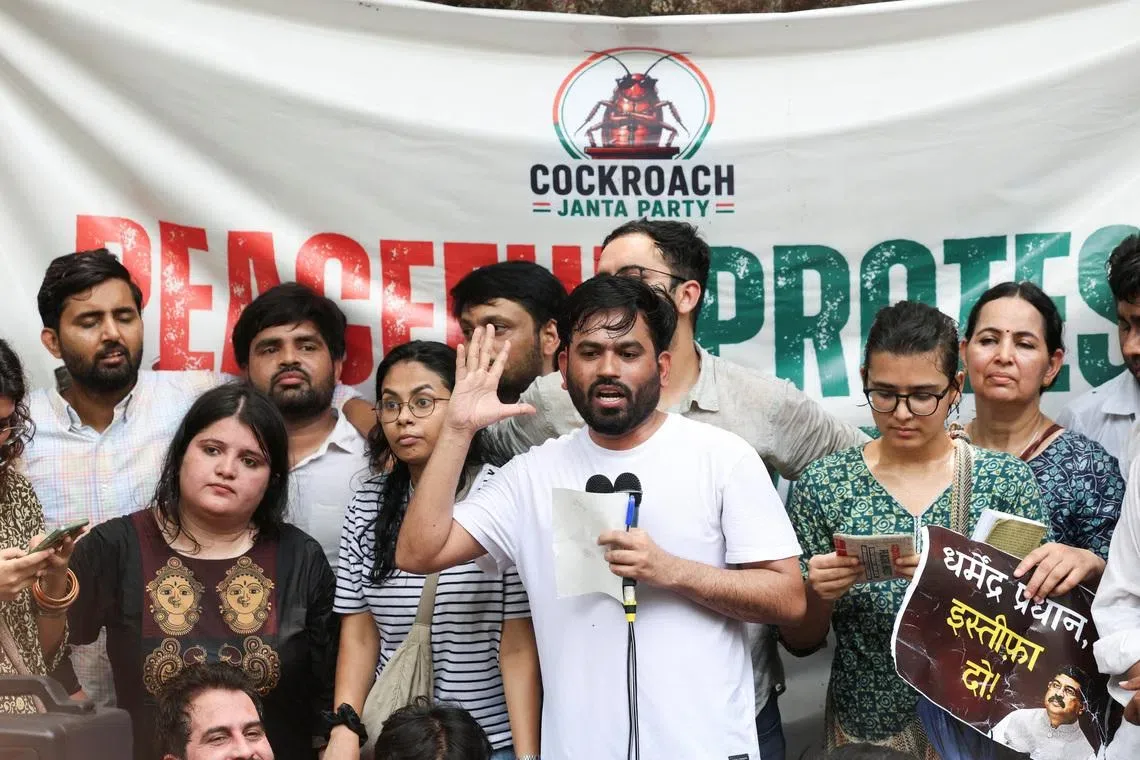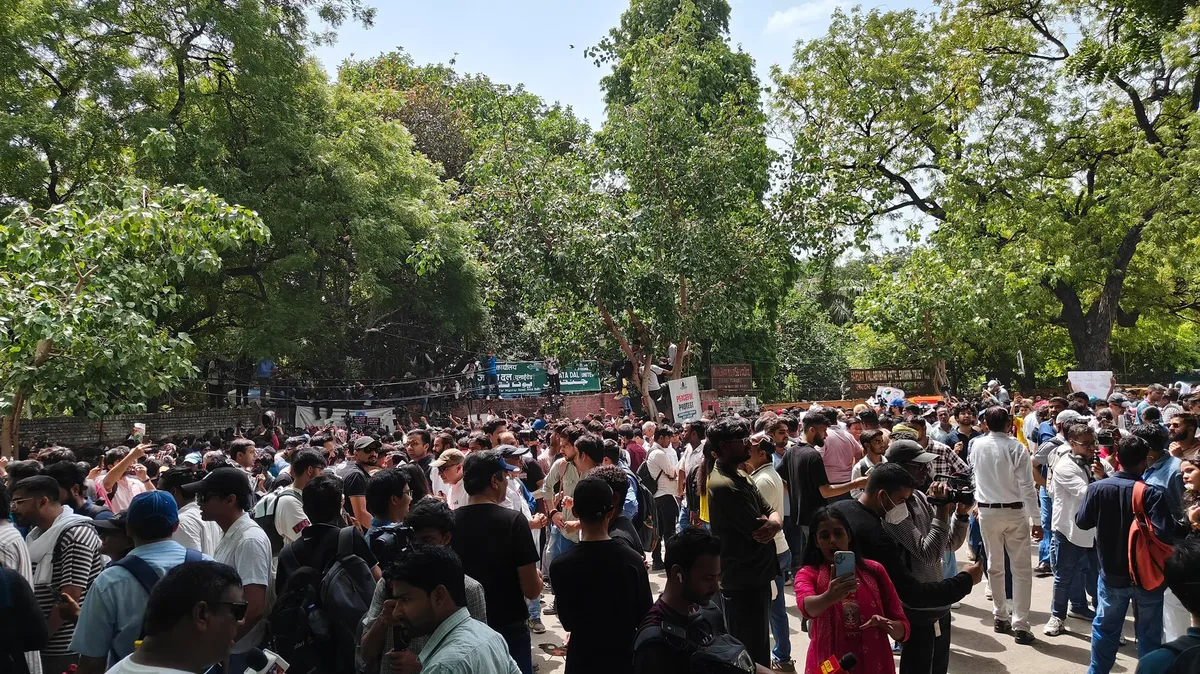
The Cockroach Janta Party (CJP), a satirical youth movement in India, led thousands of protesters at Jantar Mantar in New Delhi on June 6 to call for Education Minister Dharmendra Pradhan’s resignation amid recurring exam paper leaks [1, 2, 3].
CJP was formed online just weeks earlier on May 16 by Abhijeet Dipke, a 30-year-old political strategist and Boston University graduate, who returned to India from the United States to lead the protests in person [4, 2, 3]. The party’s rapid rise has been fueled by social media, with over 22.2 million Instagram followers—more than double the 9.4 million followers of the governing Bharatiya Janata Party (BJP) [4, 1, 5]. Dipke said, "If so many people joined in such short span of time, that means that people are really dissatisfied and discontent with the current ruling party" [4].
The protest erupted after a string of exam leaks, most notably the cancellation of the National Eligibility Entrance Test (NEET-UG) on May 12, when leaked question papers forced authorities to call off the exam [1, 2, 5, 6]. Reports say these leaked NEET papers were sold for prices ranging from 500,000 to 3 million rupees [1, 2, 5]. The test involved over 2.27 million candidates aspiring for medical seats nationwide [6].
Students and youth accuse Education Minister Dharmendra Pradhan and the National Testing Agency (NTA) of allowing unfair and opaque examination processes. One NEET aspirant, Utkarsh Raj, said, "I have totally lost my faith in the NTA... At least conduct one exam fairly... and if (Dharmendra Pradhan) can’t do that, then why (is he) sitting in the post of the education minister" [1]. Protestors appeared wearing cockroach masks and carried school books, chanting against the minister’s continued tenure [7, 3, 8].
High youth unemployment feeds the anger behind CJP’s growth. Nearly 40% of graduates under 25 are jobless, while the rate for those between 25 and 29 stands at about 20%, according to the 2026 State of Working India report [4, 1, 5]. The label "cockroach" was originally coined by a top judge referring to unemployed youth, which the CJP embraces in a satirical way [4, 7].
The CJP aims to turn its online audience and humor into political pressure demanding government accountability. Dipke warned the ruling party: "The warning to the Modi government is simple: get the education minister to resign. Or we will not leave from here" [8].
The NEET-UG exam scandal remains unresolved, and protesters signal ongoing demonstrations until demands are met [7, 3].