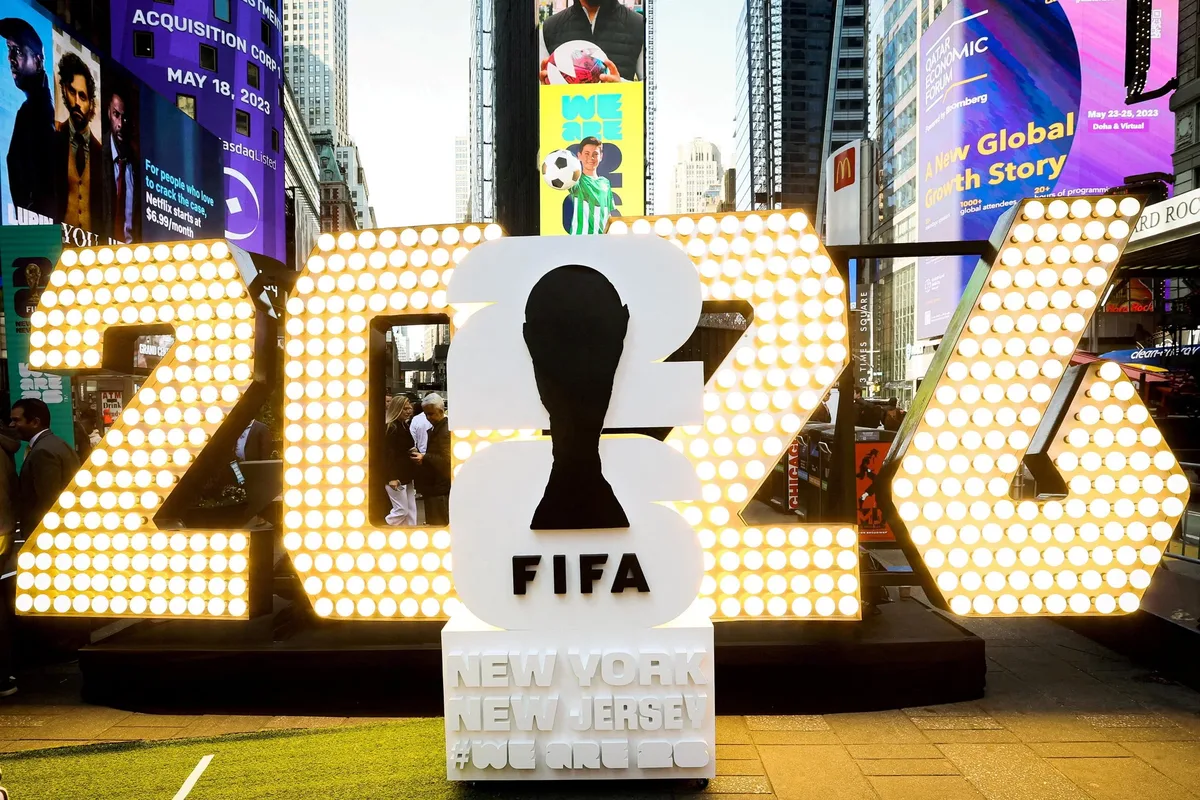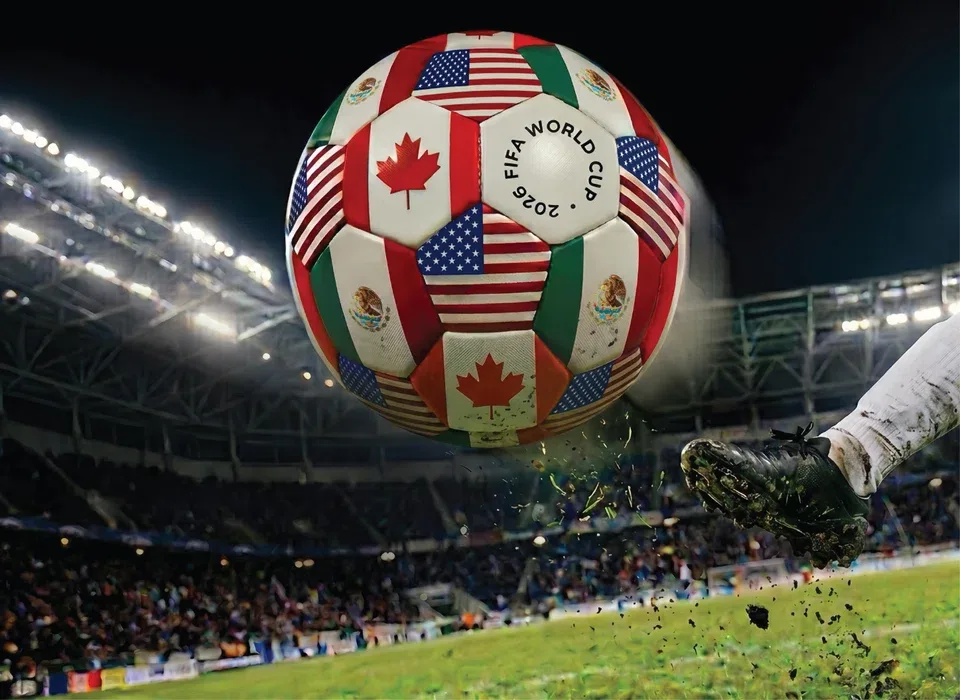
The 2026 FIFA World Cup will generate roughly $41 billion in global economic activity, driven by increased spending on tourism, retail, and athletic wear, according to multiple sources [1, 2, 3, 4, 5]. The tournament runs from June 11 to July 19 across the United States, Canada, and Mexico, marking the largest soccer event ever with 48 teams playing 104 matches in 16 cities [1, 2, 3, 4, 5].
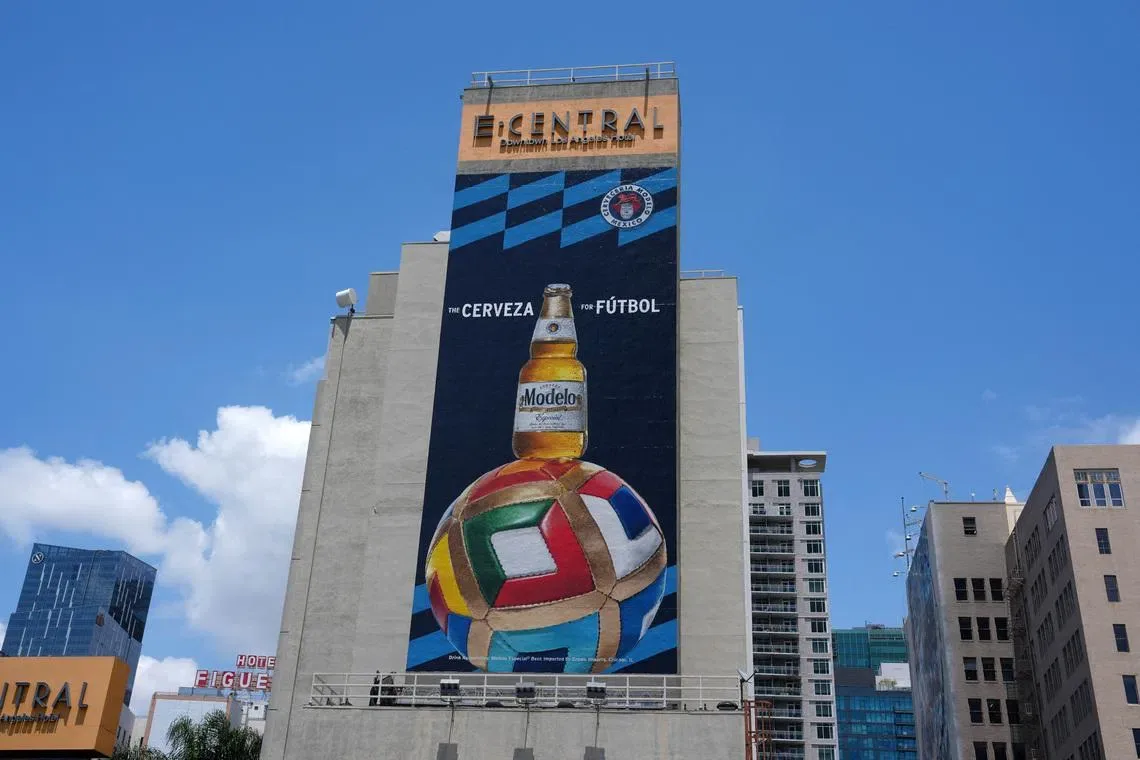
A total of 13.1 million visitors are expected during the month-long event, producing 21.3 million hotel room nights and benefiting hotel operators such as Marriott, Hilton, Hyatt, Airbnb, Booking Holdings, and Expedia [1, 2, 5]. About 75% of the matches will take place in U.S. venues, with 84% scheduled during beer-drinking-friendly time zones, aiding strong consumption in the U.S., Mexico, Brazil, and China [1, 2, 5].
The tournament is forecast to create more than 824,000 jobs globally, with the U.S. economy alone gaining $17.2 billion in GDP and 185,000 jobs [4]. U.S. airlines could see net positive effects despite challenges including rising jet fuel prices and some travel deterred by the ongoing conflict with Iran [1, 2, 5]. The global beer industry is expected to grow by 0.3% on volume, with over 1 billion pints consumed worldwide during the World Cup, Jefferies analysts said, adding "after five successive years of volatility, beer should be better in 2026" [1].
Advertising revenue linked to the World Cup is projected at $10.5 billion globally, surpassing the $5.7 billion spending forecast for the entire 2025-26 NFL season [4]. Nicole Pike, global head of YouGov Sport, described the event as "a cultural event with a gravitational pull that touches sport, music, travel and identity. The FIFA World Cup 2026 is bigger than football itself" [4].
The 2026 tournament will span 39 days, longer than the 29 days of the 2022 World Cup in Qatar, beginning June 11 and concluding with the final on July 19 [1, 2, 3, 4, 5]. On June 11, matches kick off across multiple cities in the U.S., Canada, and Mexico, officially starting what is expected to be the largest global sporting event of the year.