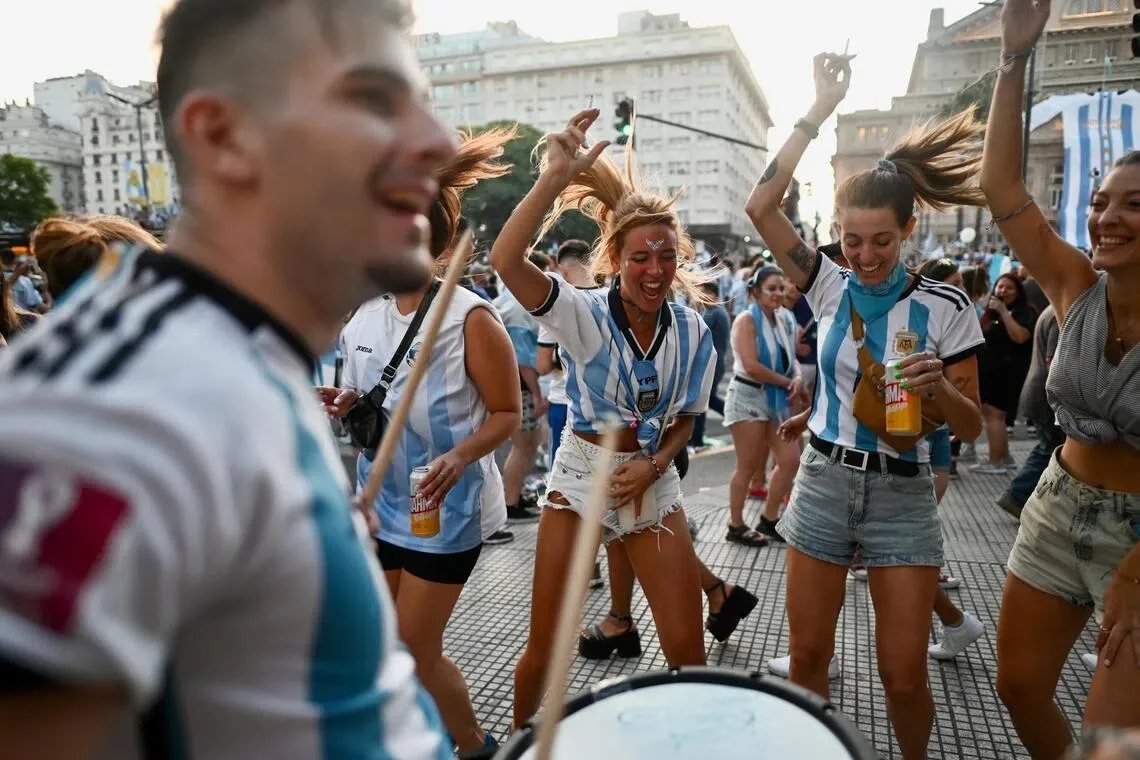
The 2026 FIFA World Cup is scheduled to be held primarily in the United States this summer, but many prospective fans have expressed second thoughts about attending the tournament amid rising concerns [1, 2, 3, 4, 5].
Tensions are high because the US, as the main host country, is currently involved in a conflict with one of the participating teams, causing unease among supporters [1, 2, 3, 4, 5]. This strained geopolitical context is partly responsible for the apprehension felt by fans considering travel.
Compounding worries are fears over visa processing delays, intense scrutiny on social media, the risk of being denied entry or sent home, and reports of racial profiling by authorities [1, 2, 3, 4, 5]. Many fans worry that such issues could mar the experience or even prevent them from attending matches.
Critics have also targeted FIFA’s high ticket prices, claiming they reduce inclusivity and make the event unaffordable for a large segment of devoted followers [1, 2, 3, 4, 5]. These financial barriers add to the reluctance among potential attendees.
Despite these challenges, football remains a global cultural touchstone and a "single planetary language" that connects generations through legendary figures like Pele, Maradona, Roger Milla, and Roberto Baggio [1, 2, 3, 4, 5]. The sport carries a unique cultural mix that differs from other popular American sports such as baseball, even as Americans embrace sports enthusiastically [1, 2, 3, 4, 5].
The passion of committed fans is illustrated by a couple from Kolkata who attended their 10th World Cup in 2018 after years of saving money to travel to matches, showing the deep global devotion to the game [1, 2, 3, 4, 5].
The 2022 World Cup final drew a record global television audience of roughly 1.42 billion people, underscoring football's massive worldwide appeal [1, 2, 3, 4, 5].
The tournament in the US this summer will face scrutiny over if and how fans navigate the political issues and logistical challenges surrounding the event.