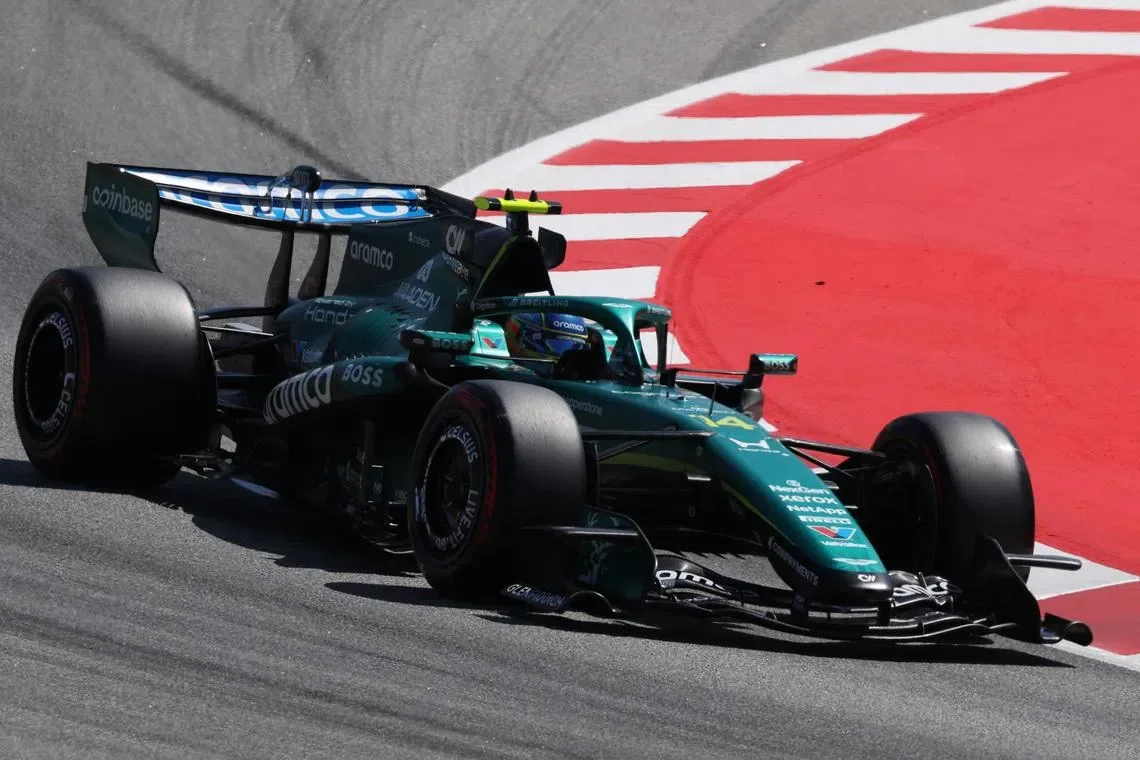
Aston Martin announced plans to bring a significant car upgrade to the Hungarian Grand Prix scheduled for July 24-26, 2023, as the team seeks to improve performance after a difficult start to the season [1, 2, 3]. The upgrade centers on major weight reduction and aerodynamic changes, including a new nose and revised aerodynamic surfaces, designed to bring the car close to the minimum weight limit [1, 2, 3]. While the front suspension remains unchanged, the rear suspension has been slightly revised, with weight removed from the gearbox and chassis, requiring a new crash test [1, 2, 3].
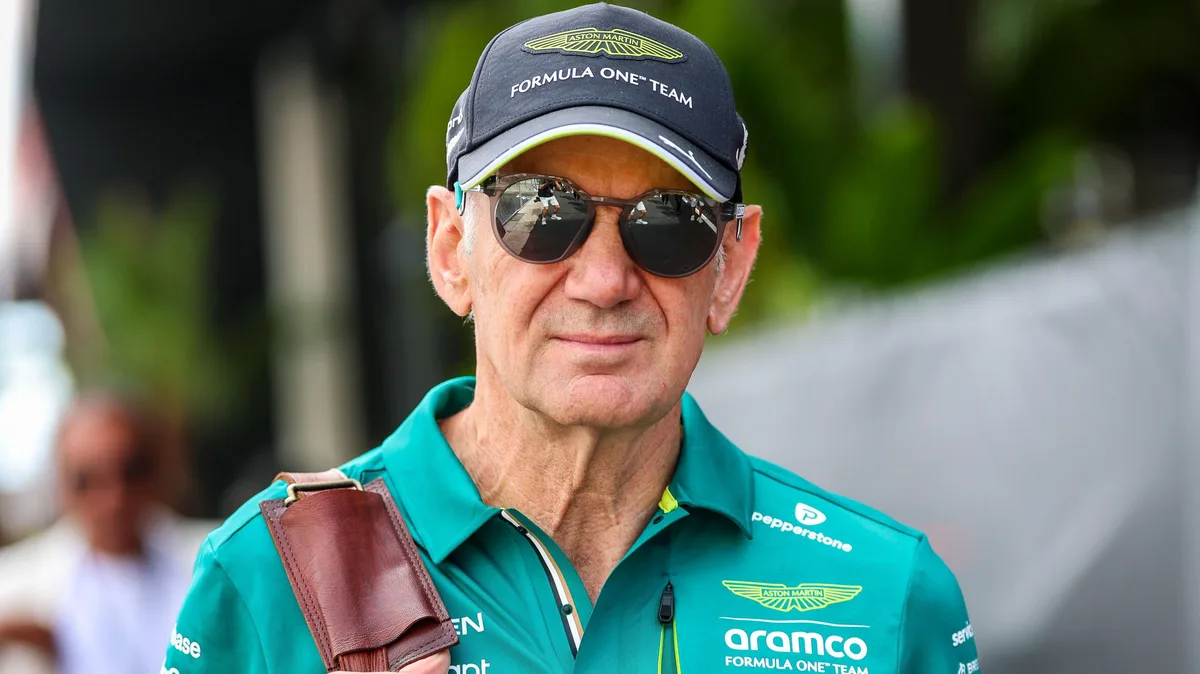
This season has been challenging for Aston Martin, who have scored just one point in the first eight rounds amid struggles with an uncompetitive Honda engine and an overweight car [2, 3]. Team principal Adrian Newey, an acclaimed aerodynamicist who joined last year and took over this season, attributed the poor start to late car design, organizational issues, difficulties integrating the Honda engine, vibration problems, and rushed aerodynamic development [1].
Newey said more car parts that were previously outsourced are now being made in-house [2, 3]. He also revealed he had health issues last year but is now well and said those did not significantly disrupt the team's work [1, 2, 3].
Both drivers, Fernando Alonso and Lance Stroll, will receive the upgrade [2, 3]. Alonso, who will turn 45 next month and is the oldest driver on the grid, is seen as a key figure for Aston Martin’s future. Newey said, "Fernando is really looking forward to the upgrade and, if it performs, we hope he'll be in the cockpit for another season" [2]. He added, "Given his experience, his feel for the car, his ability to guide development, he's a tremendous asset. But he wants to see clear, tangible progress. If we can show that we're moving decisively in the right direction, he's absolutely committed to being behind the wheel" [2].
Aston Martin is also investing in improved engineering simulation tools, though Newey cautioned that significant performance gains from these are expected later in the year. He said, "We're predicting a large step, but I'm reluctant to put specific numbers out there because our simulation tools aren't yet as sophisticated or well correlated as they need to be" [2].
The upgrade’s debut at the Hungarian Grand Prix will offer the first concrete indication of the team’s progress this season [1, 2, 3].