The Court of Arbitration for Sport (CAS) ruled on June 2, 2026, to uphold FIFA fines totaling 140,000 Swiss francs imposed on the Mexican Football Federation (FMF) for homophobic chants by supporters during 2024 international friendlies [1, 2, 3]. The fines include two payments of 60,000 and 80,000 Swiss francs related to incidents in matches against Bolivia, Uruguay, Brazil in summer 2024, and against the United States in October 2024 [1, 2, 3].
CAS overturned a 15% partial closure of a stadium that FIFA had originally ordered as punishment [1, 2, 3]. The partial closure sanction was judged disproportionate by the panel despite sanctioning the federation financially.
The homophobic chants, which typically occur when opposing goalkeepers take goal kicks, have been a persistent issue since at least 2014, including World Cups in 2014, 2018, and 2022 [2]. The FMF argued it had invested significant resources in education and prevention campaigns since 2015 to eradicate the conduct [1, 2, 3].
CAS acknowledged these efforts, stating the federation "demonstrated that significant financial resources and efforts have been deployed to eradicate the offending conduct." However, the panel said the conduct was "collective and widespread, and not merely a one-off occurrence," and the preventative measures do not exempt the federation from liability [1].
The panel noted the prohibited conduct persists despite attempts to address it. They also concluded that the FIFA Disciplinary Commission applied "an unjustified double standard for proceedings with substantially identical facts" but still upheld the fines as correct and proportionate [1].
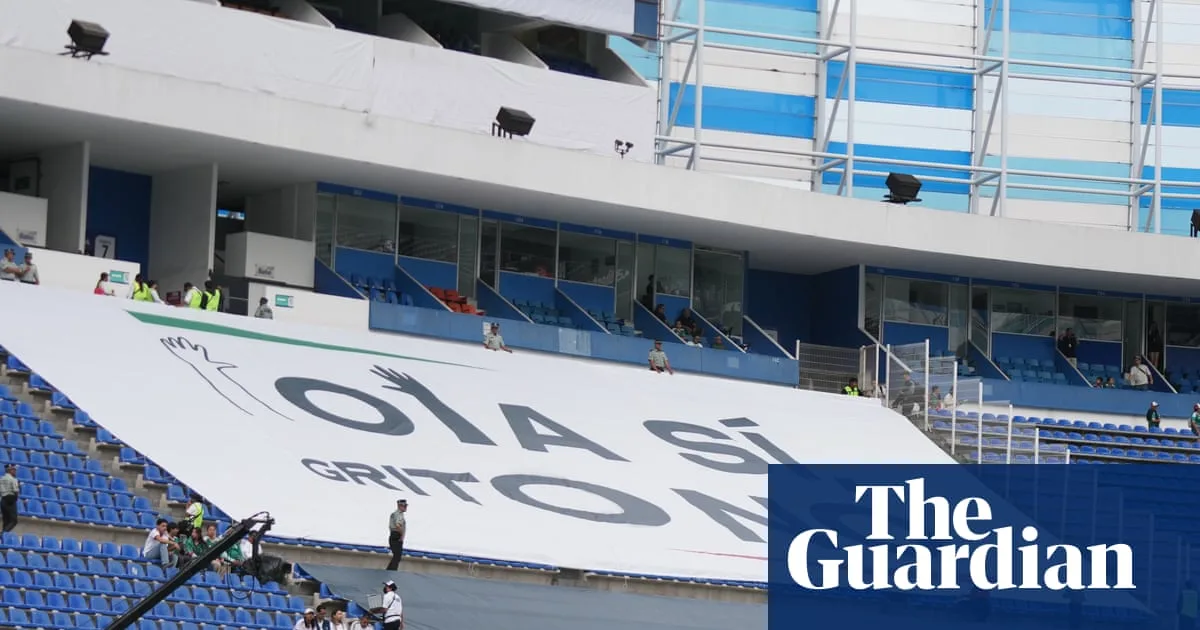
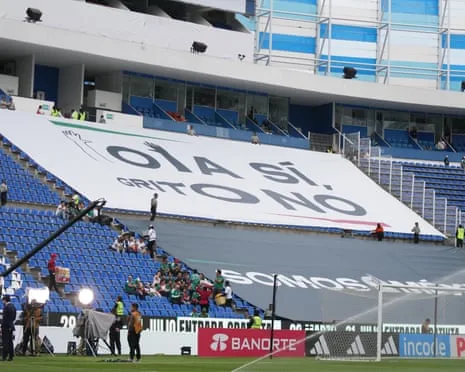
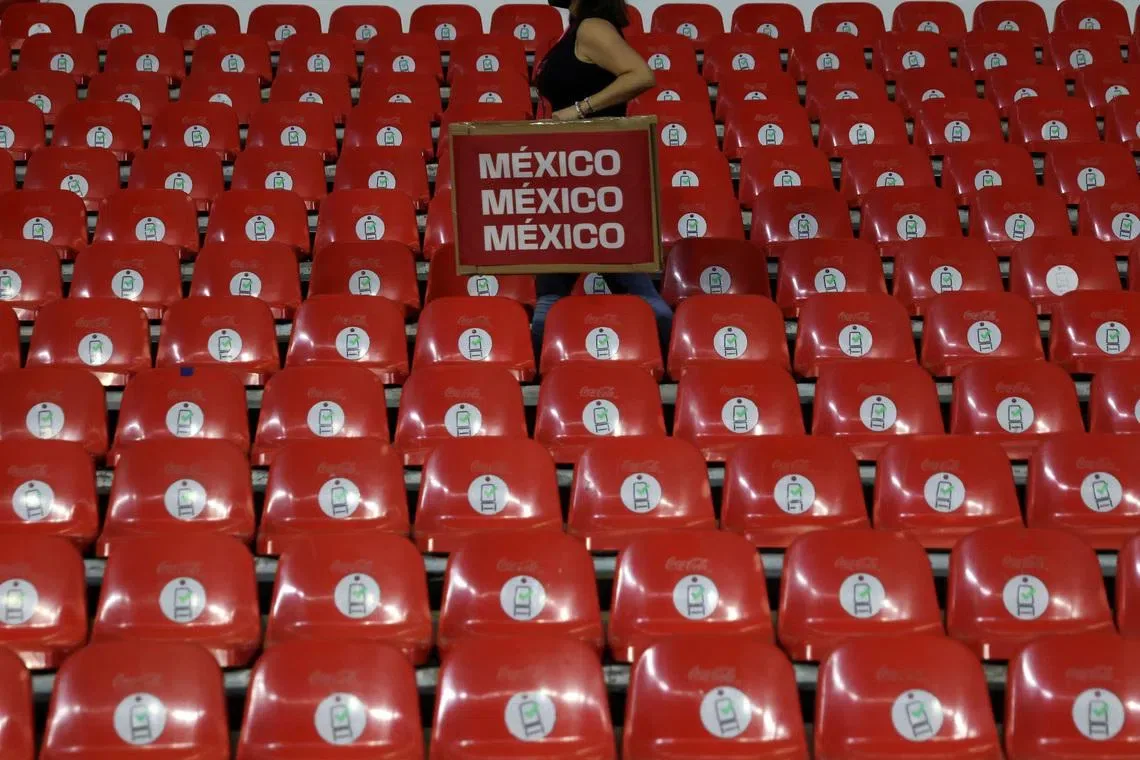
Mexico is scheduled to host several World Cup group-stage matches, including one against South Africa on June 11, 2026, at the Azteca Stadium, where the chant often occurs [2]. The FMF launched a campaign last month to urge fans to stop the chant after FIFA ordered a partial closure of Puebla’s Cuauhtemoc Stadium during a warm-up match against Ghana [1, 3].
The CAS ruling caps a process that began with incidents documented by FIFA in mid-2024. A hearing took place in Miami in March 2026 before today's decision [1, 2, 3]. The next high-profile match at Azteca Stadium will test the federation’s continued efforts to prevent the chant.