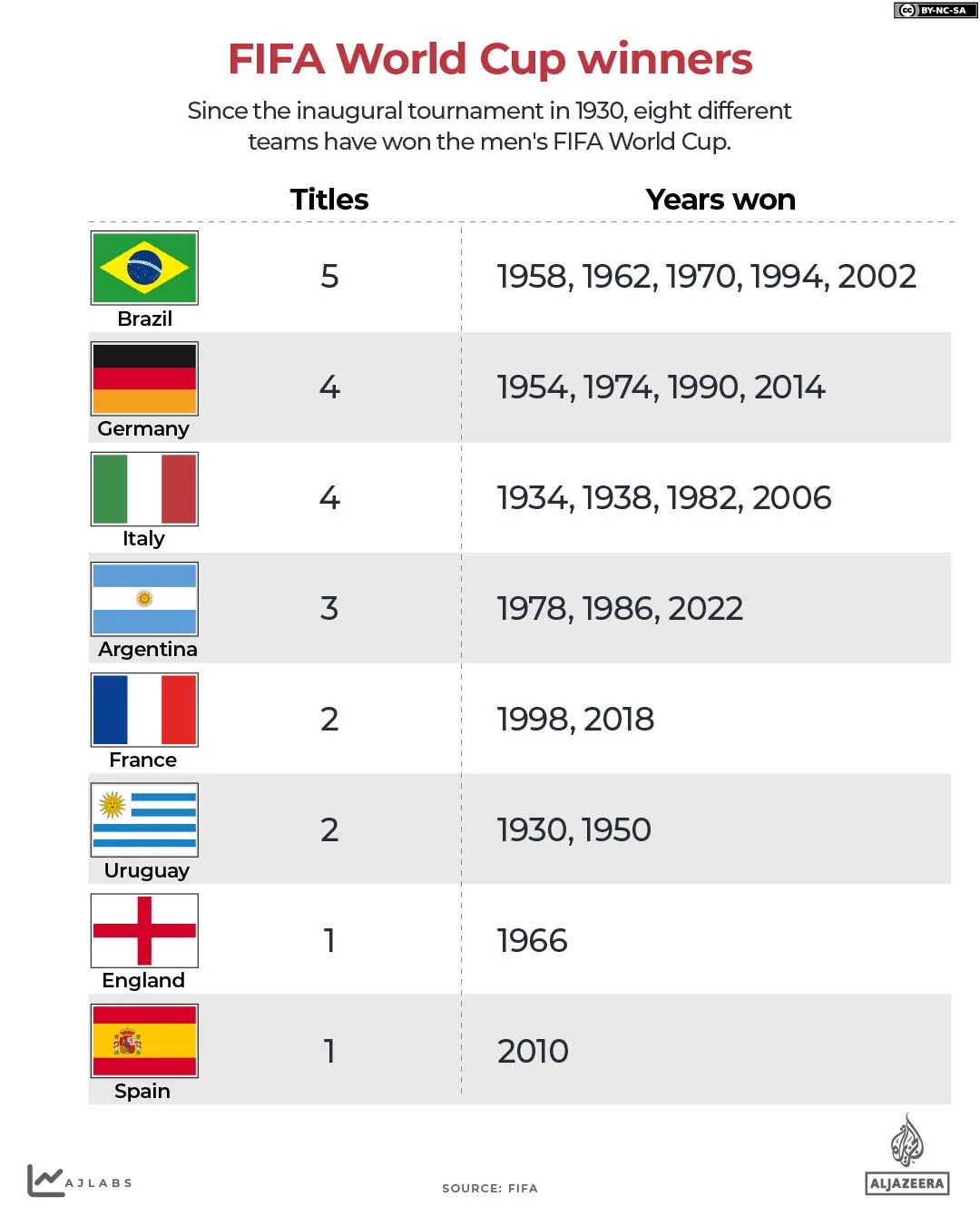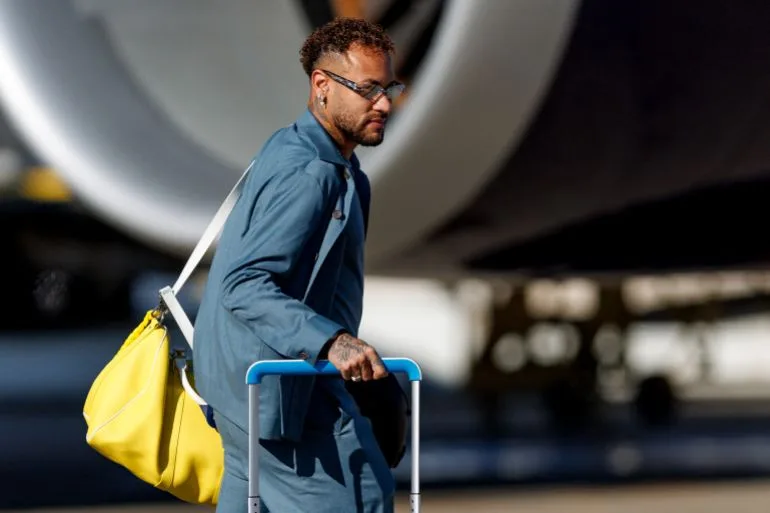
Brazil arrived in the United States on June 2, 2026, ahead of the FIFA World Cup set to run from June 11 to July 19 across North America [1, 2, 3, 4]. The five-time champions seek a record-extending sixth World Cup title but face stiff competition. Bookmakers currently rank Brazil behind Spain, France, and England in the odds to win the tournament [1, 2, 3, 4].
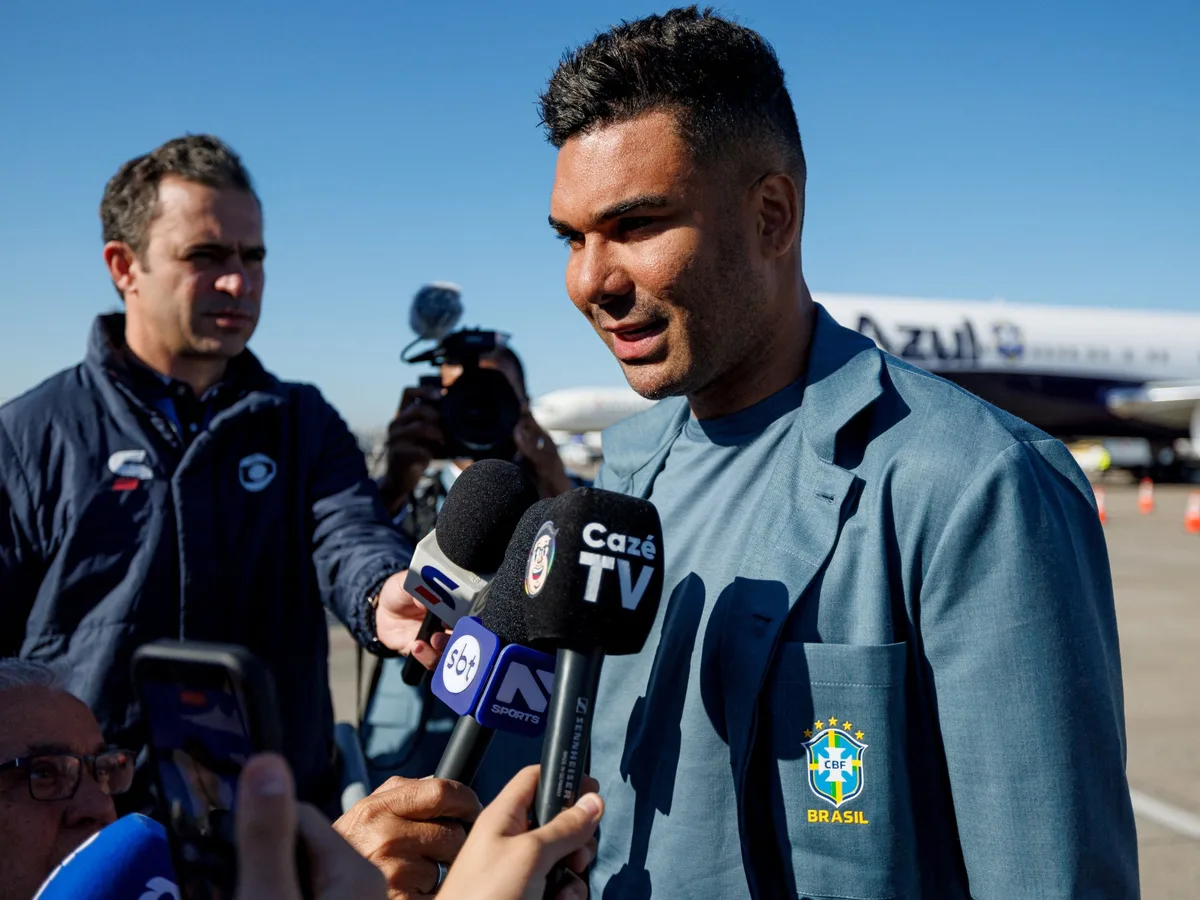
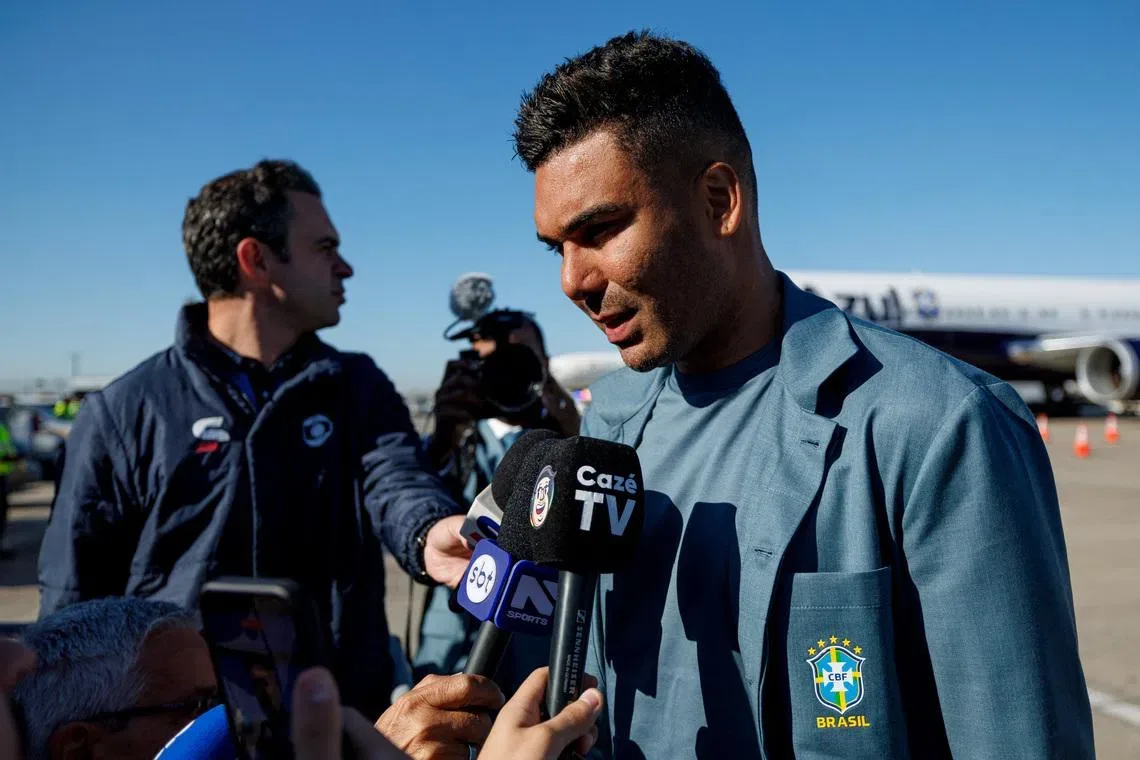
Casemiro, the 34-year-old Brazil midfielder, said on the eve of the tournament, "We aren’t the big favourites. Of course, we’re in good shape; we’ve got a strong squad, with a mix of experience and young talent. Perhaps this time we’re a step behind, but we’re on our toes and that’s always a good thing. We want to go there in good shape and have a great World Cup" [1]. He reflected on a difficult preparation period marked by changes to key leadership positions, including the appointment last year of new Brazil coach Carlo Ancelotti and a new Brazilian Football Confederation president [1, 2, 3, 4].
Casemiro noted, "It has been a difficult cycle with a change of manager, a change of president and a lot of turmoil. We have only had one year working with the manager, who has excellent experience in football, but in reality we have only worked together for 40 days. I think we will go into the tournament in strong form" [1]. Despite limited time with Ancelotti, Brazil hope to gel quickly and put forward their best performance.
Brazil is placed in Group C alongside Morocco, Haiti, and Scotland [1, 2, 3, 4]. Their opening match is against Morocco on June 13 in East Rutherford, New Jersey [3]. They will then face Haiti on June 19 in Philadelphia, Pennsylvania, followed by Scotland on June 24 in Miami, Florida [3]. The team has not won the World Cup in 24 years, adding pressure to their quest for the 2026 title [3].
Brazil's focus now shifts to their first group match against Morocco on June 13. The team aims to build momentum early in the tournament as they compete for their first World Cup crown since 2002 [3].