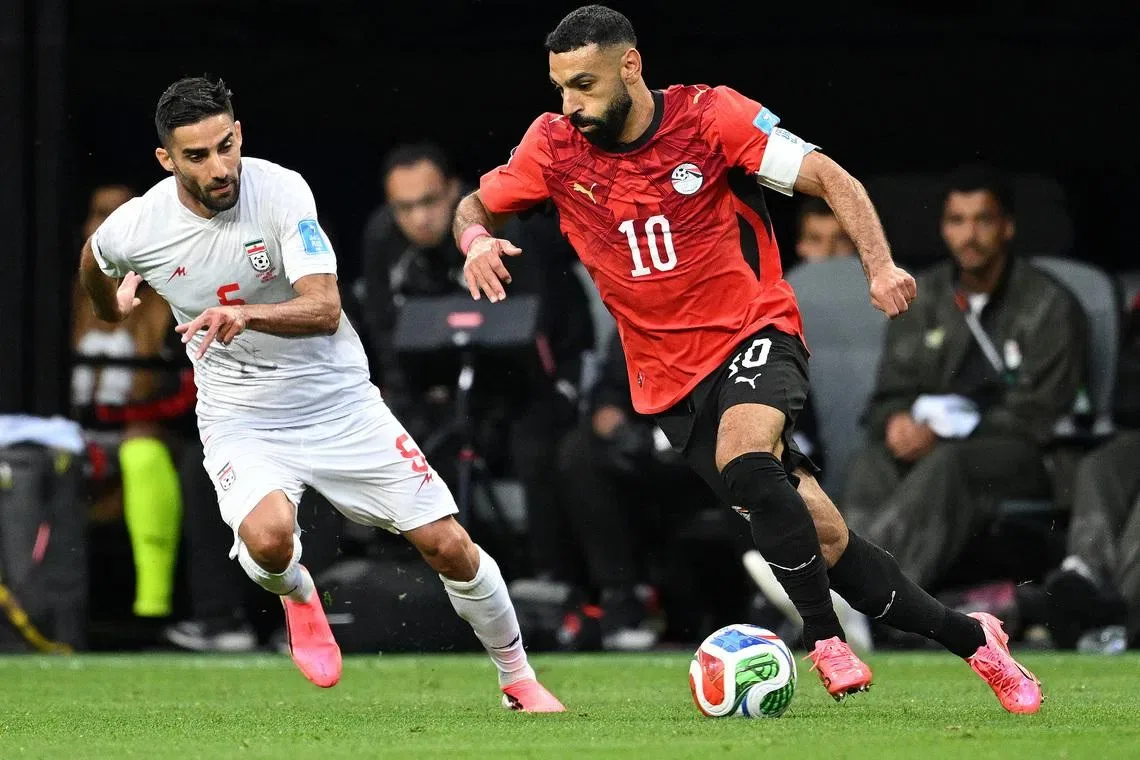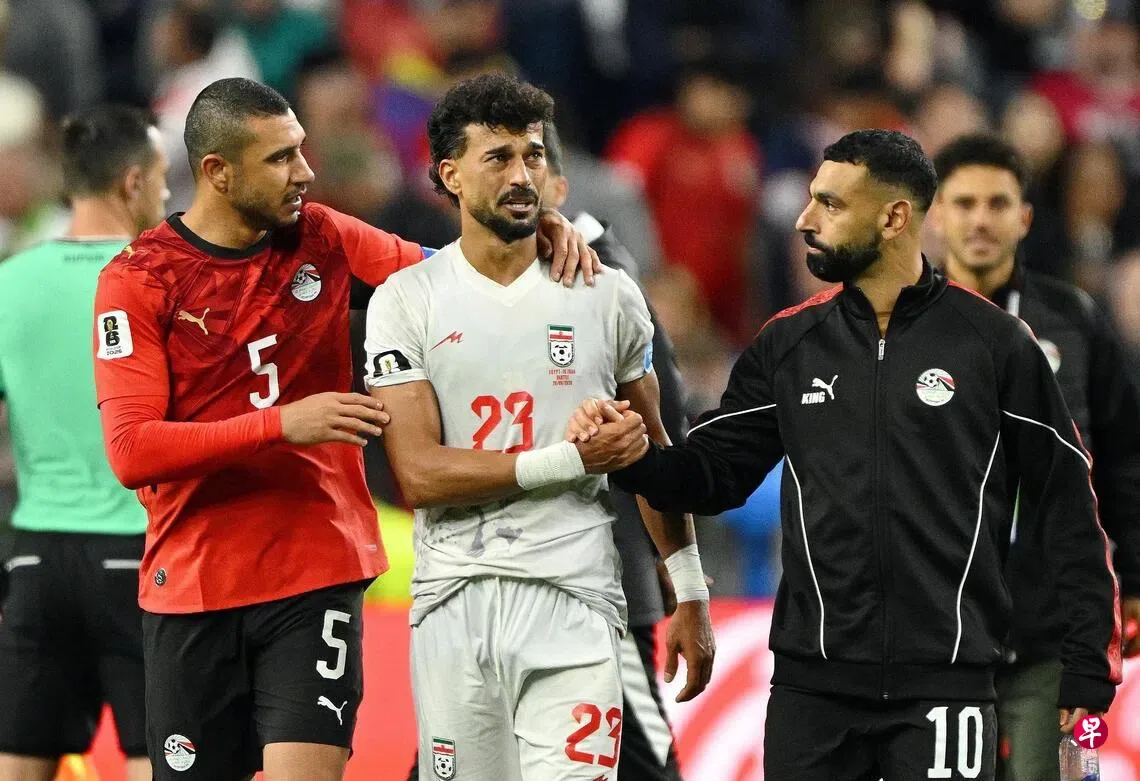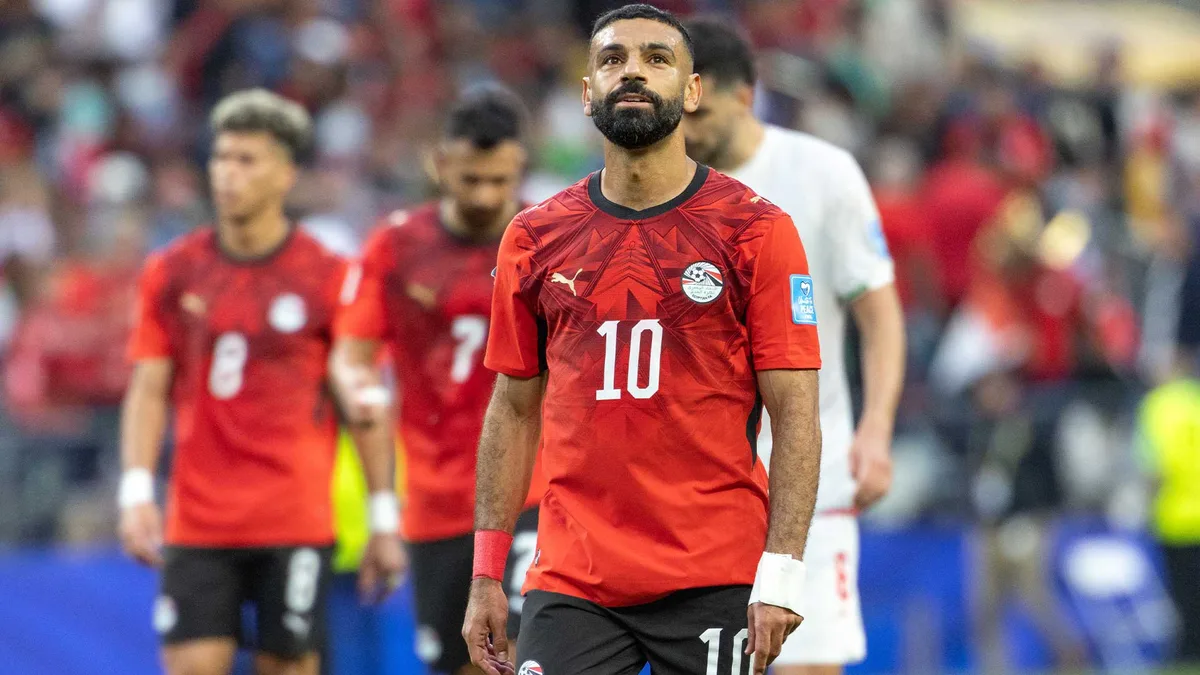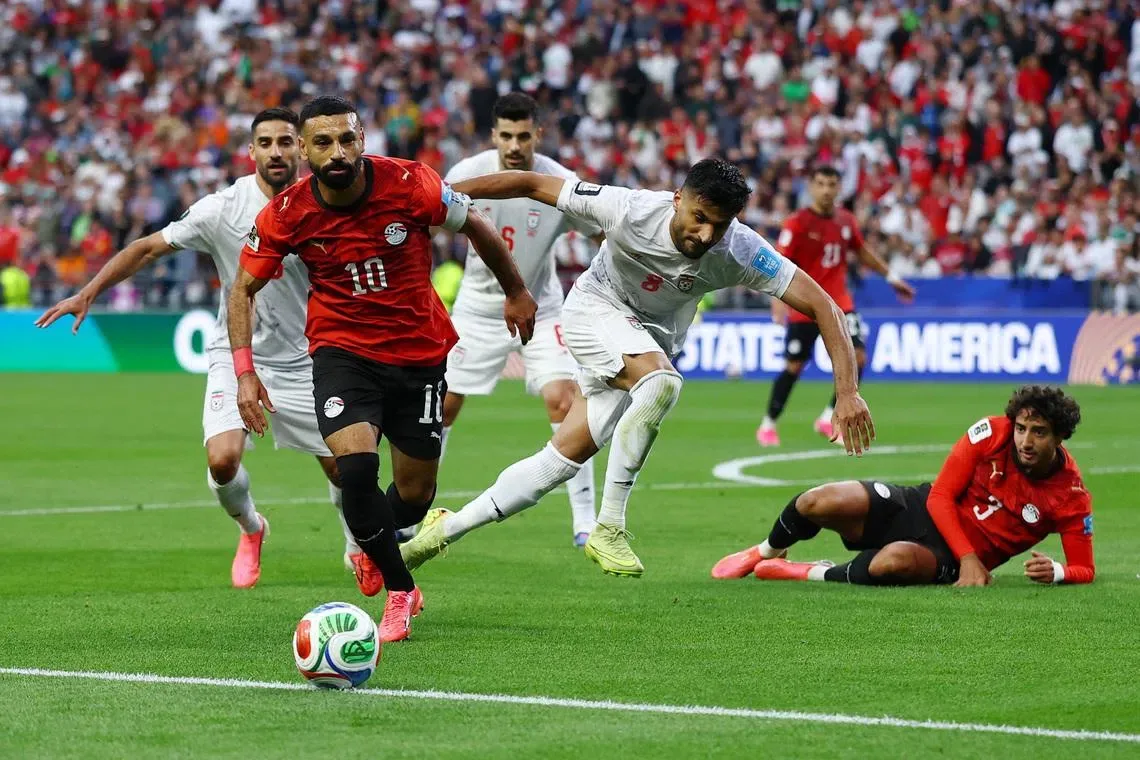
Egypt captain Mohamed Salah asked to be substituted around the 57th minute of their 1-1 World Cup Group G draw against Iran on June 26, raising concerns over his fitness ahead of the knockout stage [1, 2, 3, 4, 5, 6]. The 34-year-old forward appeared visibly frustrated as he left the pitch 12 minutes into the second half [1, 2, 3, 4, 5, 6].
Coach Hossam Hassan said medical staff will assess Salah to determine the extent of a left knee injury, which "currently does not appear to be serious," and will be further examined once Egypt returns to the team hotel [1, 2, 3, 4, 5, 6]. Hassan noted, "He asked to come off. If a player asks to be substituted, it means he felt something. We'll make sure what the problem is. We'll assess him" [1]. He added that Salah told him, "I’m going to be OK and it’s not a big injury," expressing optimism about a return before the knockout stage [6]. Hassan said, "If every time someone got injured I got worried, I wouldn’t be fit to coach Egypt national team" [5].
Salah has been central to Egypt’s attack, contributing one goal and two assists in the group stage and scoring 9 of Egypt’s 20 qualifying goals [2, 4, 6]. Despite his key role, Hassan expressed confidence in the squad’s depth, saying, "I have warriors. I have Egyptian players who are worthy of the trust placed in them. I don't worry about missing players. I have complete confidence in everyone in this squad" [1, 3, 5, 6]. Other injured players like left back Ahmed Fatouh and midfielder Hamdi Fathi, who missed the Iran match, remain under assessment [1, 3, 5].
Egypt finished second in Group G with 5 points behind Belgium on goal difference, securing a spot in the World Cup round of 32 knockout stage for the first time [1, 2, 3, 5, 6]. The team is set to face Australia in a knockout match scheduled either for July 3 or July 4, according to differing sources [2, 5, 6].
Preparations continue as Egypt awaits medical updates on Salah and other players before their upcoming match in the knockout round.