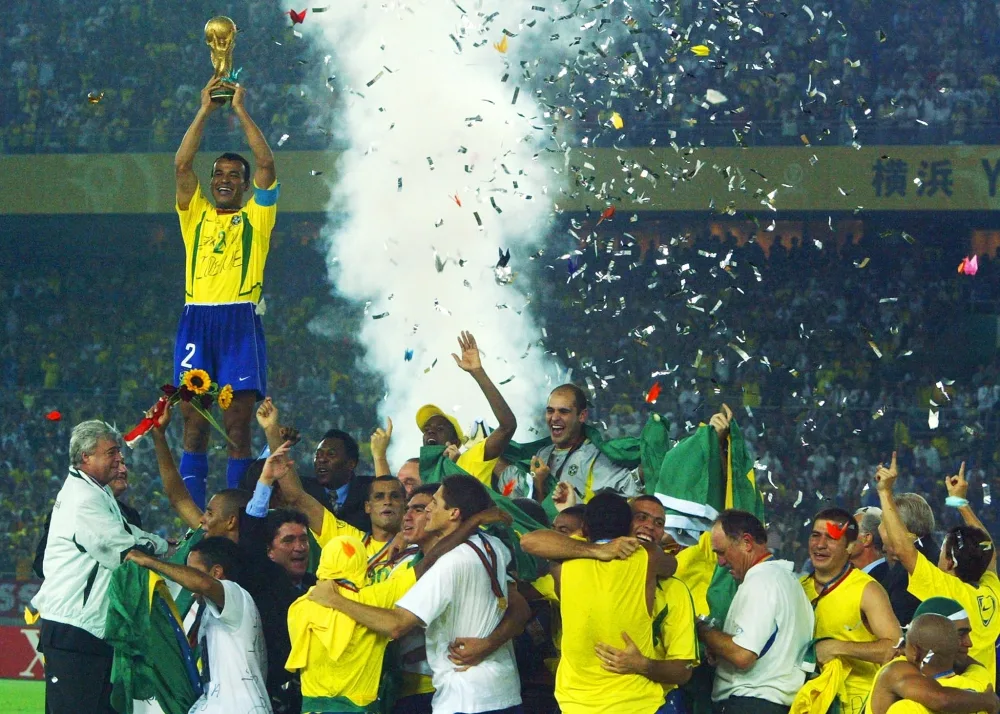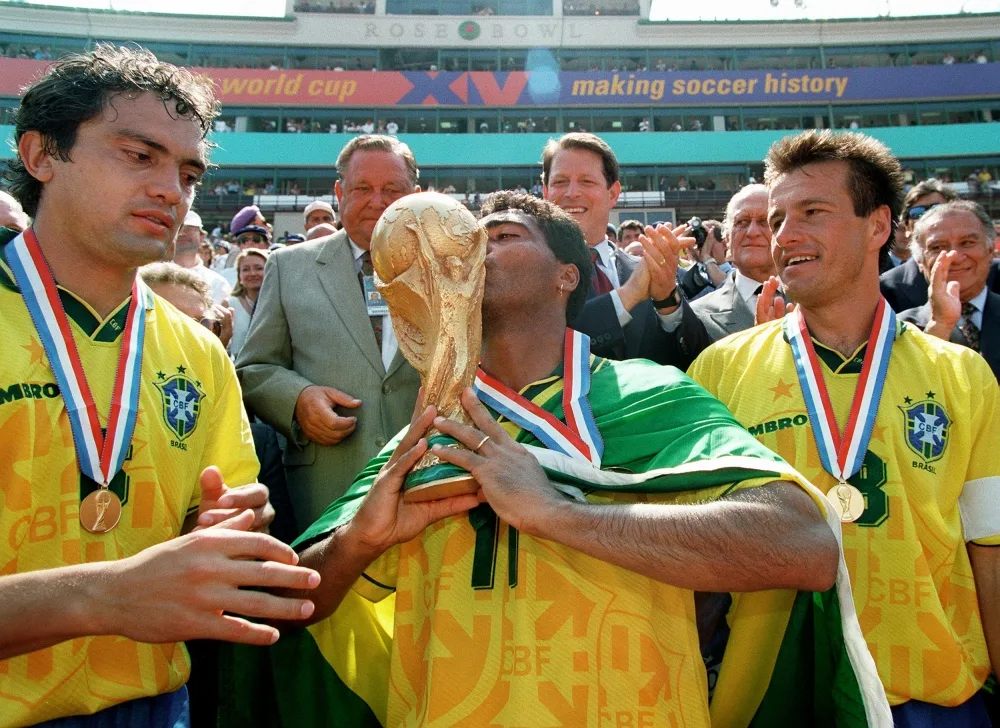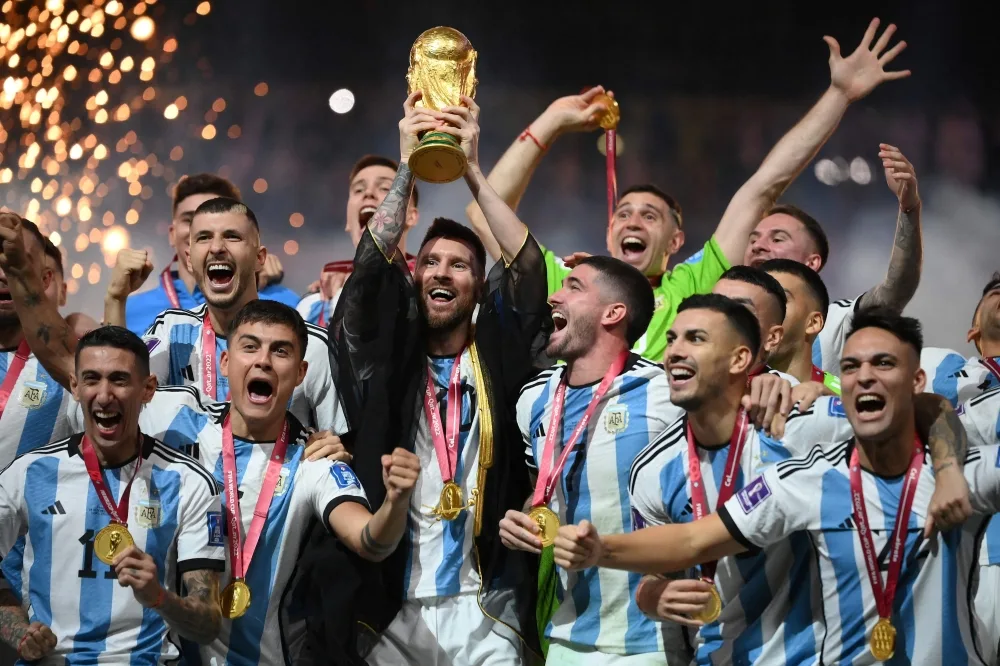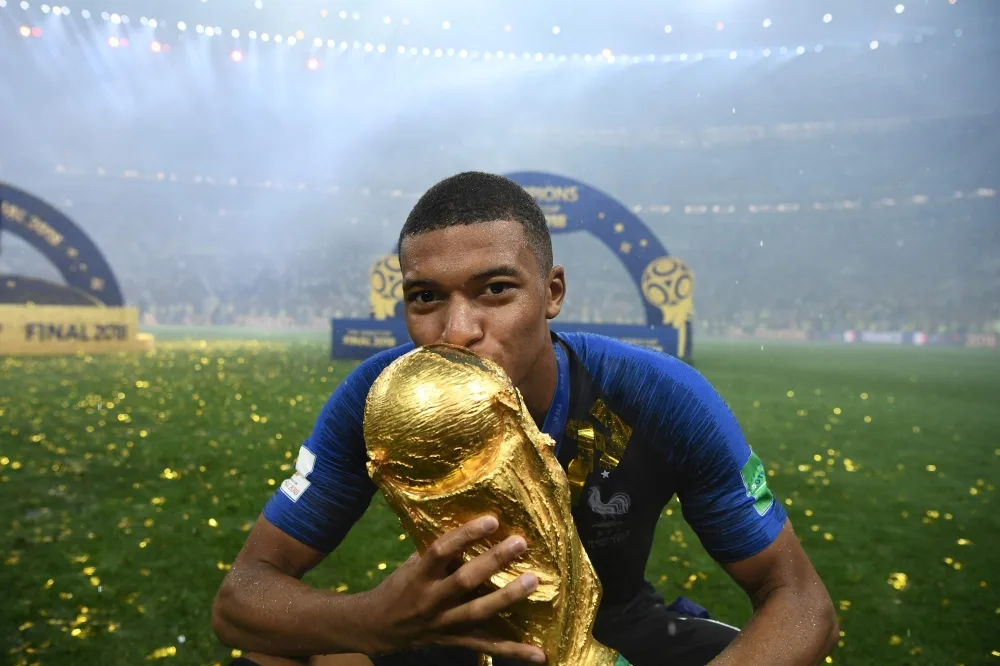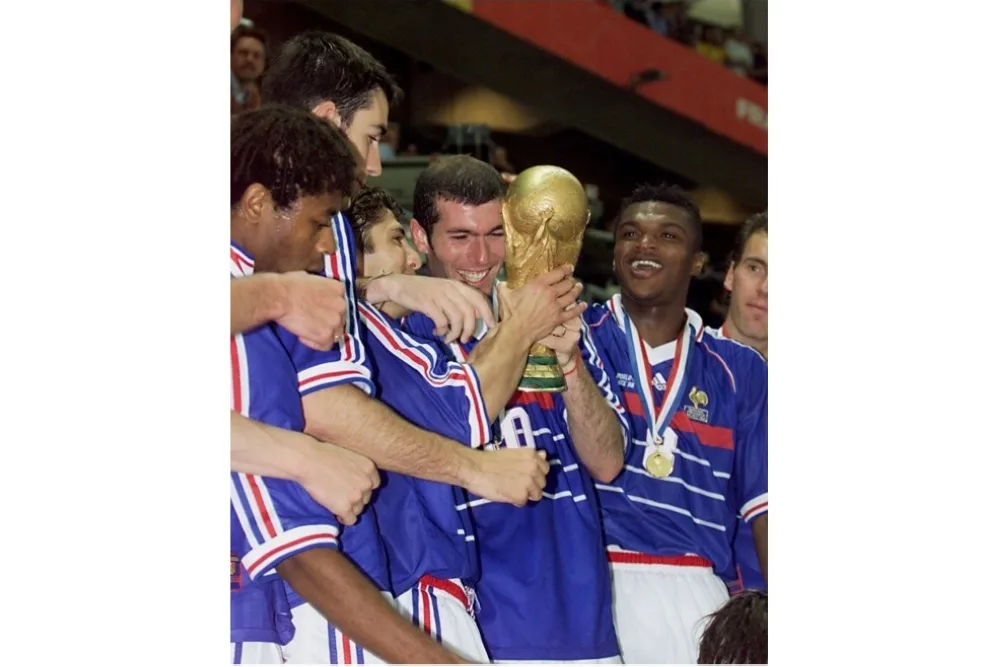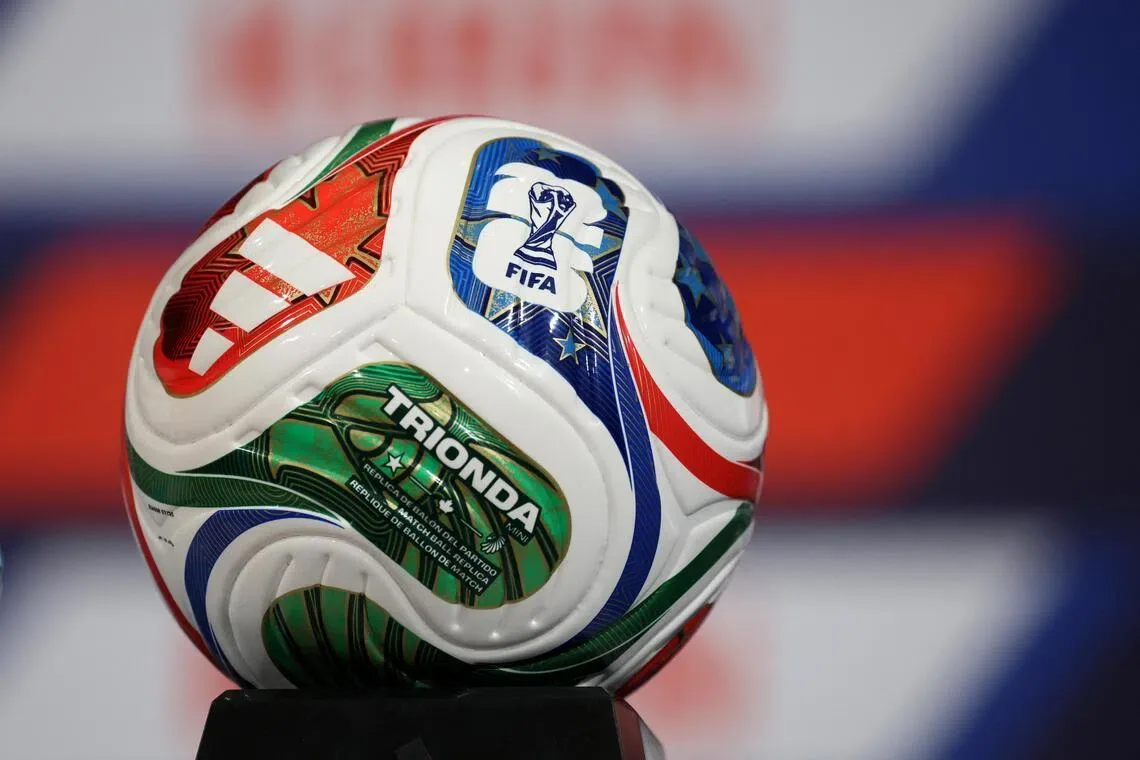
The 2026 World Cup is widely seen as football's pinnacle and ultimate prize for players across the globe [1, 2, 3]. Expert analysis published today highlights how the tournament could be won through a combination of pragmatic coaching, tactical transitions, and influence from elite club football styles [3].
Andy Roxburgh, 82, former Scotland manager and current AFC technical director, said the international game and elite club football "each have their own character." He noted, "In international football, there's no transfer market. You select and you use what's available to you," underlining the challenge national coaches face in squad building [1, 2, 3]. Roxburgh added that because international matches are fewer and often high-profile, "results are magnified and exaggerated," forcing coaches toward pragmatism [3].
Top European clubs hold much of the world's leading football talent, backed by vast financial resources, with some of the very best matches seen in the latter stages of the UEFA Champions League. For example, Paris Saint-Germain’s recent 5-4 semi-final win over Bayern Munich exemplifies the thrilling, high-level club encounters that influence playing styles internationally [1, 2, 3]. PSG’s coach Luis Enrique has led the team to greater heights than his previous stints with Spain in Euro 2020 or the 2022 World Cup [1, 2, 3].
National teams often reflect the playing styles dominant at club level. Spain’s golden era around their 2010 World Cup triumph leaned heavily on the Barcelona style of possession and passing [1, 2, 3]. Similarly, top teams in Europe, South America, and emerging contenders like Morocco, Senegal, and Japan may adopt tactical elements from their elite club players to compete at the highest level [1, 2, 3].
A key tactic identified is the transition phase — the moment a team shifts rapidly from defending to attacking when opponents are unprepared. France coach Didier Deschamps emphasized in May 2026, "The key moment in a game of football is the change from defensive phase to attacking phase, when the opposition has no time" to react [3]. Argentina’s swift counter-attack producing their second goal in the 2022 World Cup final against France remains a clear example of this decisive strategy [1, 2, 3].
Many of the leading teams now employ a high press to regain possession quickly and launch attacks before opponents settle [1, 2, 3]. Coaches must balance pragmatism with instilling their own philosophy, while considering national culture and the club styles of their squad members [1, 2, 3].
Analysis published today draws on decades of insights from Roxburgh and other experts, offering a detailed look at what tactical approaches could secure victory in 2026 [3]. The World Cup will kick off later this year, where these strategies will be tested on the pitch.