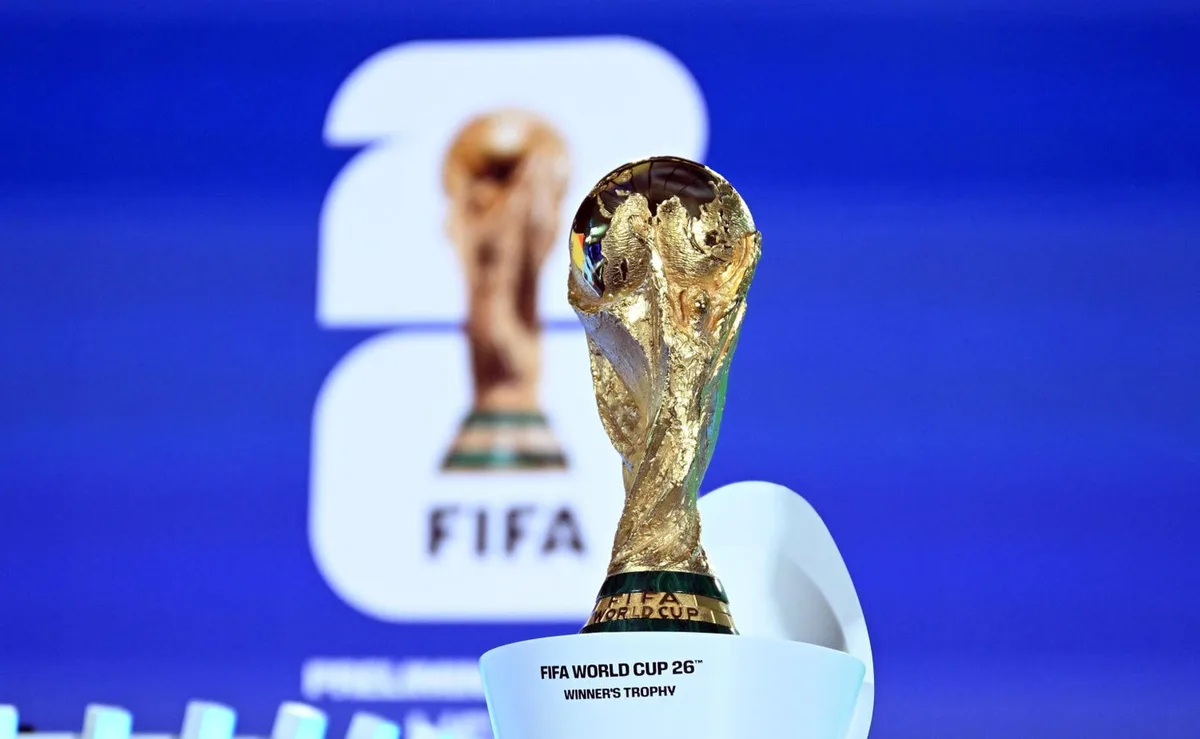
FIFA media rights officials visited India in mid-May 2026 as negotiations over the 2026 World Cup broadcast rights remain unresolved, with no official deal signed by May 18 [1, 2, 3, 4, 5].
FIFA initially sought $100 million for the broadcast rights in India but recently lowered its expectations to around $60 million [1, 2, 5]. The Reliance-Disney joint venture offered $20 million, a bid that was rejected by FIFA [1, 2, 5]. Sony Sports, which had previously secured rights for the 2014, 2018 World Cups and Euro 2016, has refrained from bidding this time [1, 2, 3, 4].
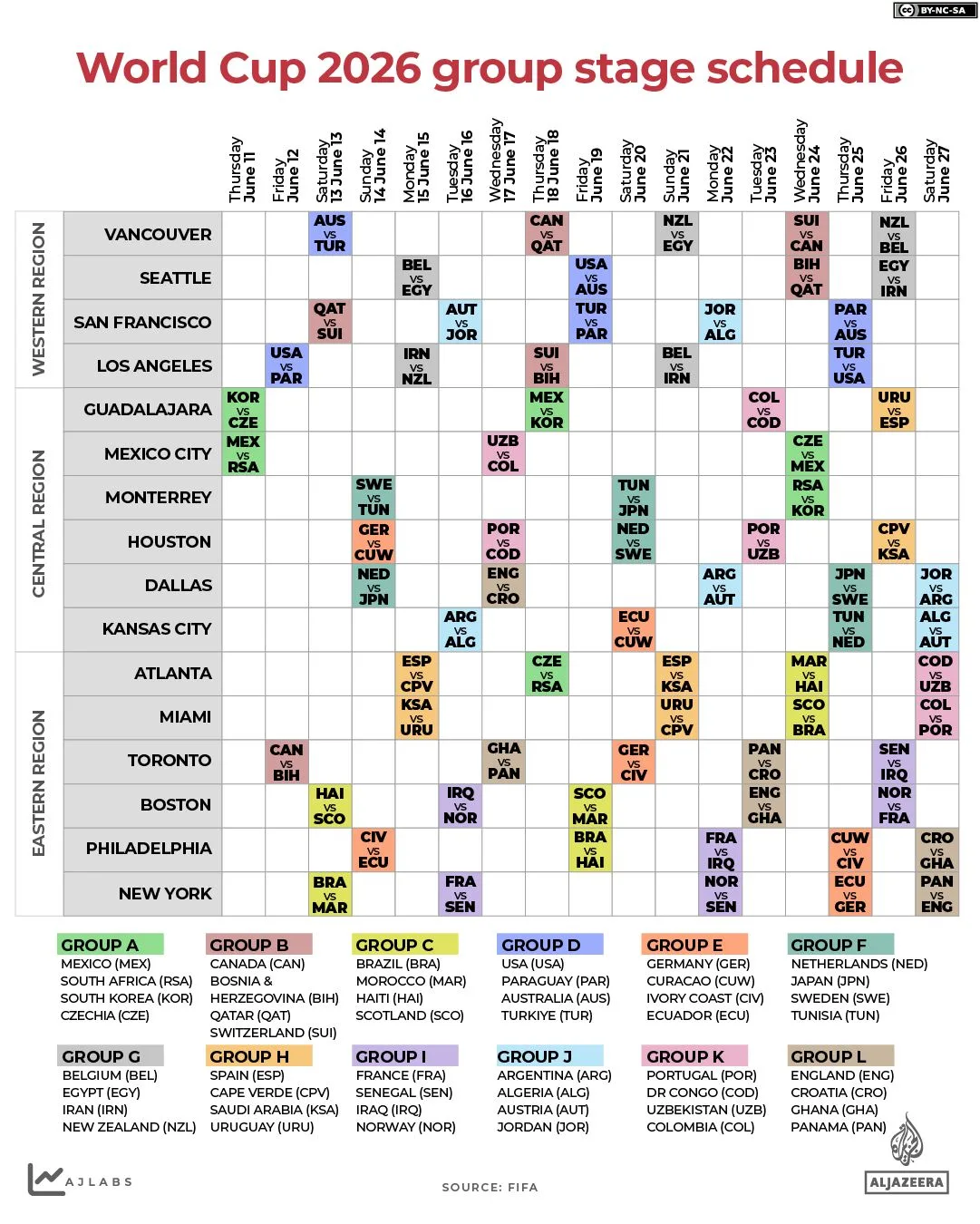
The World Cup is scheduled to begin on June 11, 2026, leaving less than a month for any deal to be finalized, broadcast infrastructure to be set up, and advertising sales to be arranged [1, 2, 5]. India represents a significant market with approximately 85 million soccer fans and accounted for 2.9% of the global linear TV audience during the 2022 World Cup [1, 2, 3, 4]. In 2022, Reliance’s Jio paid $60 million for the broadcast rights, reflecting the market’s size and potential [3, 4].
China Media Group recently secured the 2026 World Cup broadcast rights for $60 million, ending its own deadlock, highlighting contrasting situations in various key markets [1, 2, 5]. Despite India's large digital soccer content viewership and considerable YouTube engagement, YouTube is not among the current bidders for broadcast rights [5].
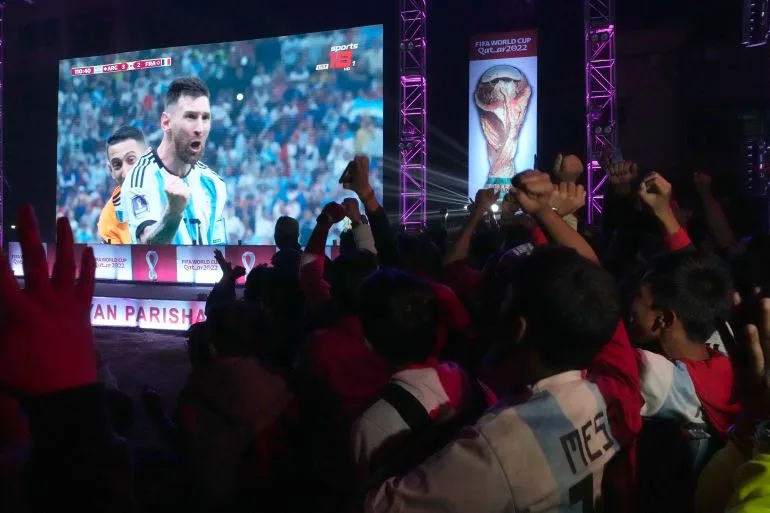
Vishwas Banerjee, a soccer fan, recalled the excitement during the 2022 World Cup: "It was one of the best nights, watching Messi lift the World Cup. Everyone went crazy. We danced on the streets" [3].
With less than a month until the tournament begins in North America, broadcast rights talks are in a critical phase with a final agreement needed soon to ensure World Cup coverage in India [1, 2, 5].