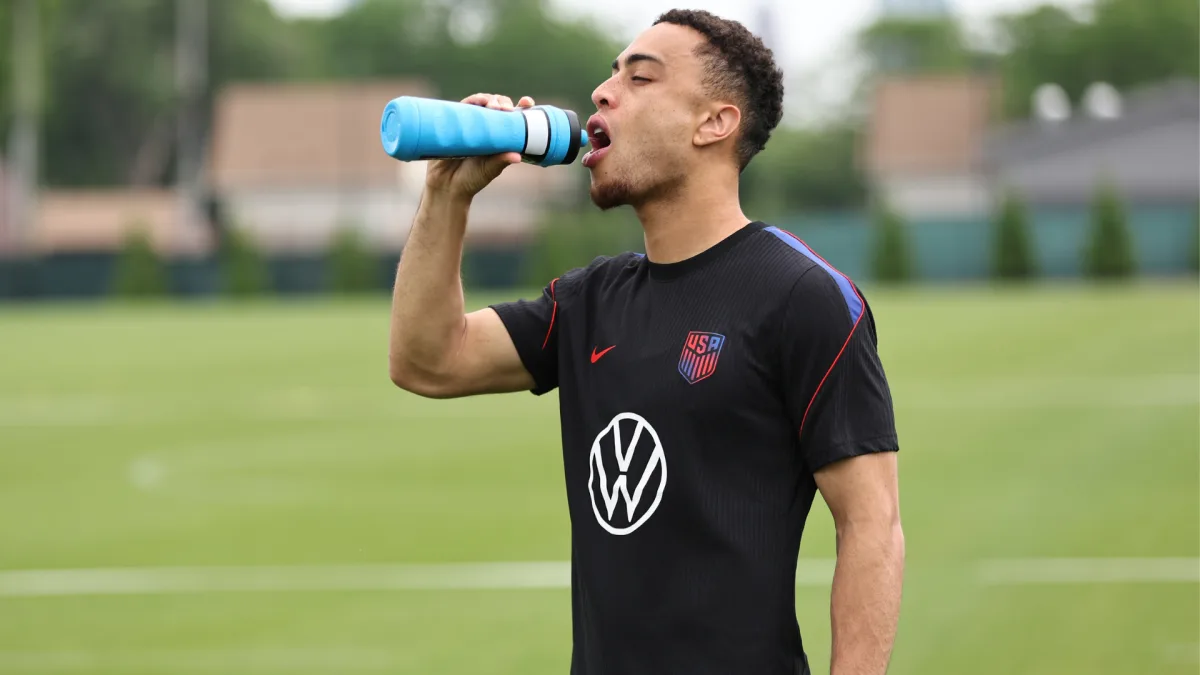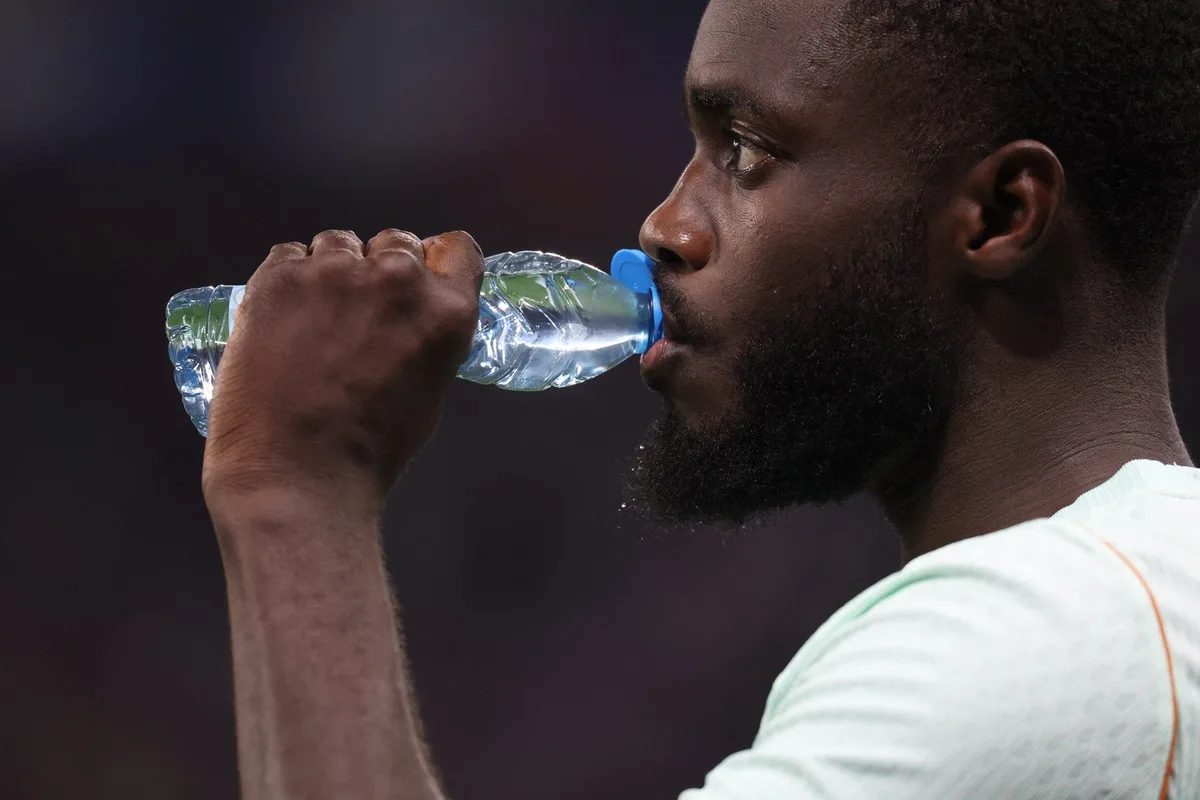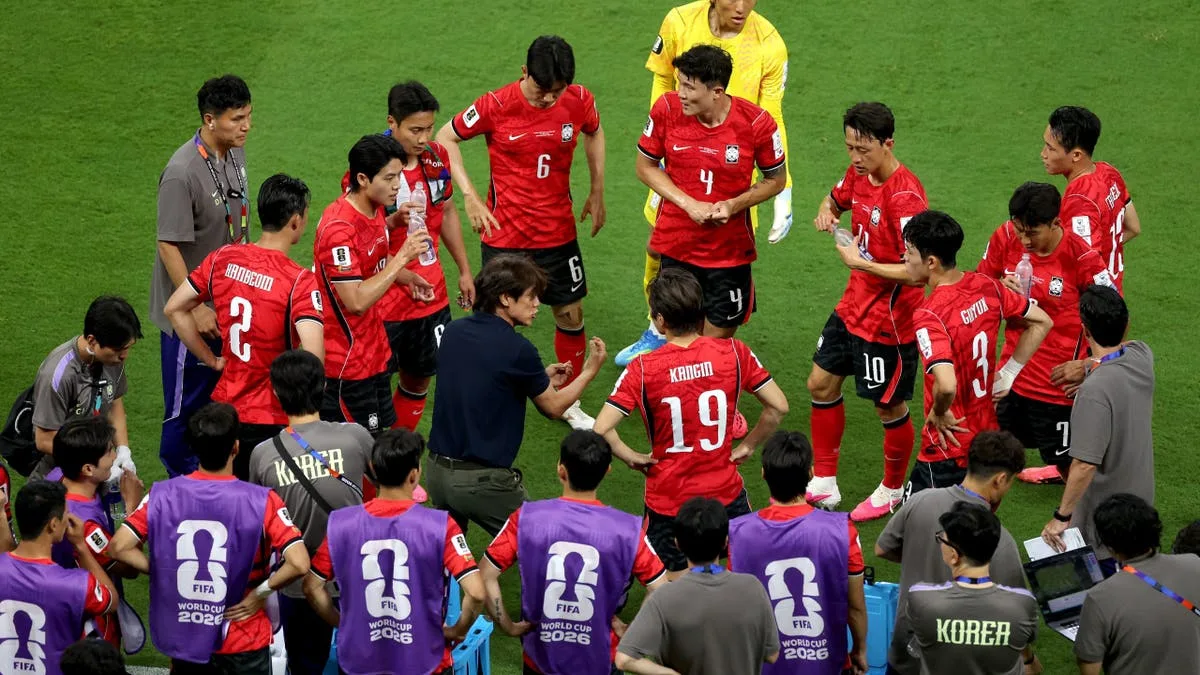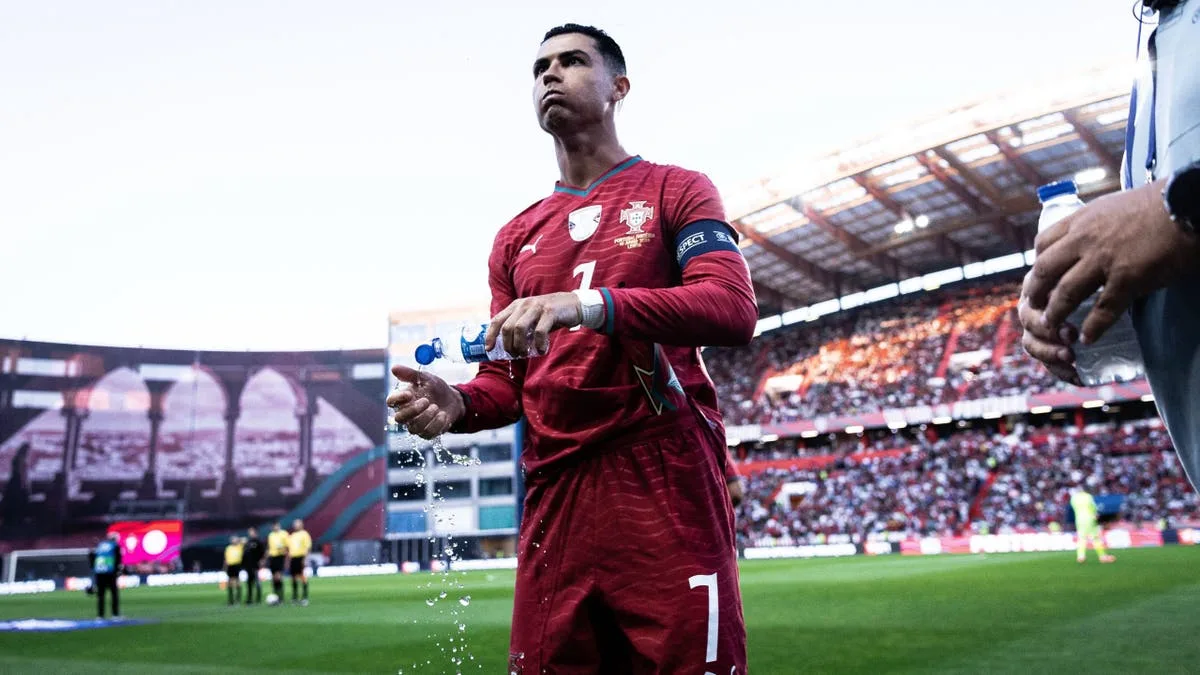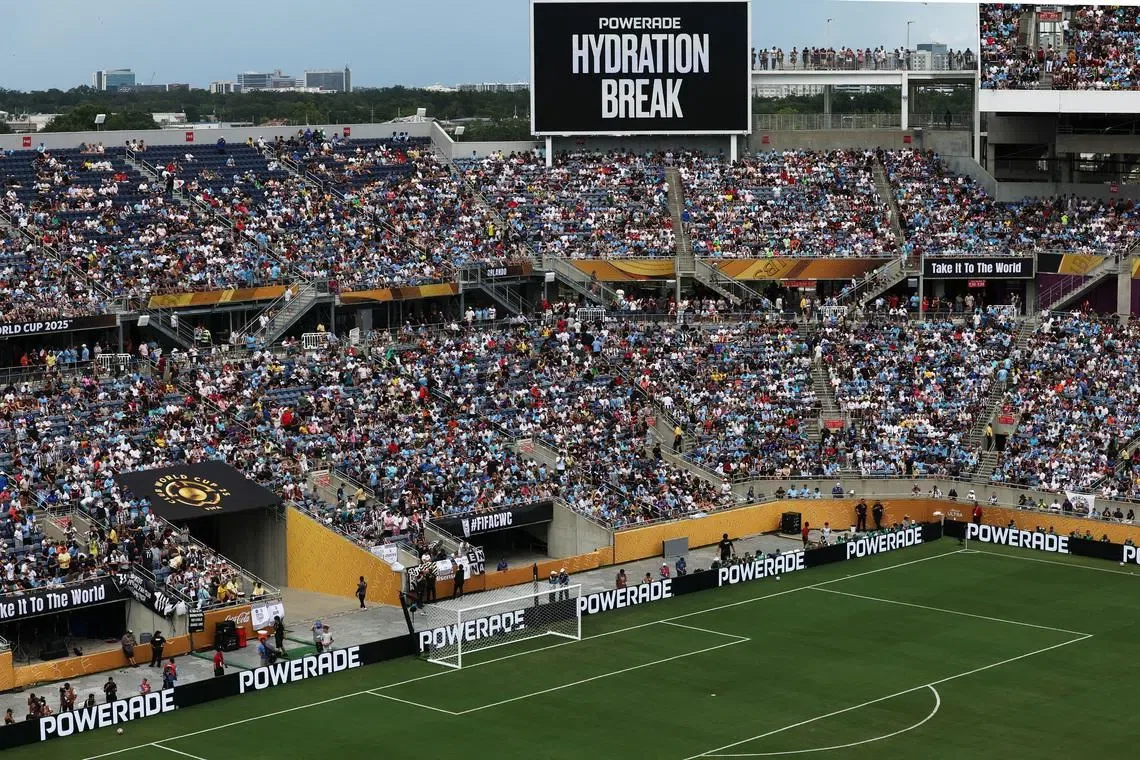
The 2026 FIFA World Cup will introduce mandatory three-minute hydration breaks in each half for all 104 matches, marking the first time such breaks are required regardless of weather or venue conditions [1, 2, 3, 4, 5]. Referees will stop play around the 22-minute mark in each half to allow players to hydrate, with stoppage time added back on at the end of each half to maintain total playing time [3, 5].
The hydration breaks are part of FIFA’s intensified focus on player welfare and safety, inspired by experiences during the 2025 Club World Cup [1, 2, 3, 4, 5]. Although hydration breaks appeared sporadically during hot matches at the 2014 World Cup, the 2026 requirement applies to every game, scheduled across the US, Mexico, and Canada [1, 2, 5].
Players remain on the pitch during the breaks and can hydrate while coaches confer strategy, similar to American sports timeouts but without official team timeouts [5]. U.S. men's national team coach Mauricio Pochettino criticized the breaks, saying, "The breaks cut the rhythm of the game," while Belgium coach Rudi Garcia said, "The breaks are useful because they allow coaches to discuss strategy mid-game," illustrating divided opinions among soccer officials and analysts [5]. FOX Sports analyst Alexi Lalas noted the breaks make soccer "feel a lot more like quarters," reflecting a shift in the traditional continuous flow of the sport [5].
The mandatory breaks also reflect a broader adaptation to American sports viewing culture. Michael Johnson, research analyst at S&P Global, said the hydration breaks could command advertising rates similar to the Super Bowl, estimated at $7 million to $9 million per slot. He said, "U.S. viewers are used to the NFL style model, NBA style model four quarters. They’re used to in-game breaks. This World Cup is essentially a mirror to those style models." Independent analyst Francois Godard added subscription broadcasters would welcome the additional advertising inventory [1, 2].
FIFA designed the 2026 World Cup schedule with player rest, travel minimization, and global broadcast requirements in mind [3]. The breaks also aim to normalize rest and reduce the stigma around individual fatigue by providing a collective pause during matches [4].
The final of the 2026 World Cup is scheduled for July 19 and will feature a halftime show with Colombian singer Shakira, resembling American sports entertainment formats [1, 2].