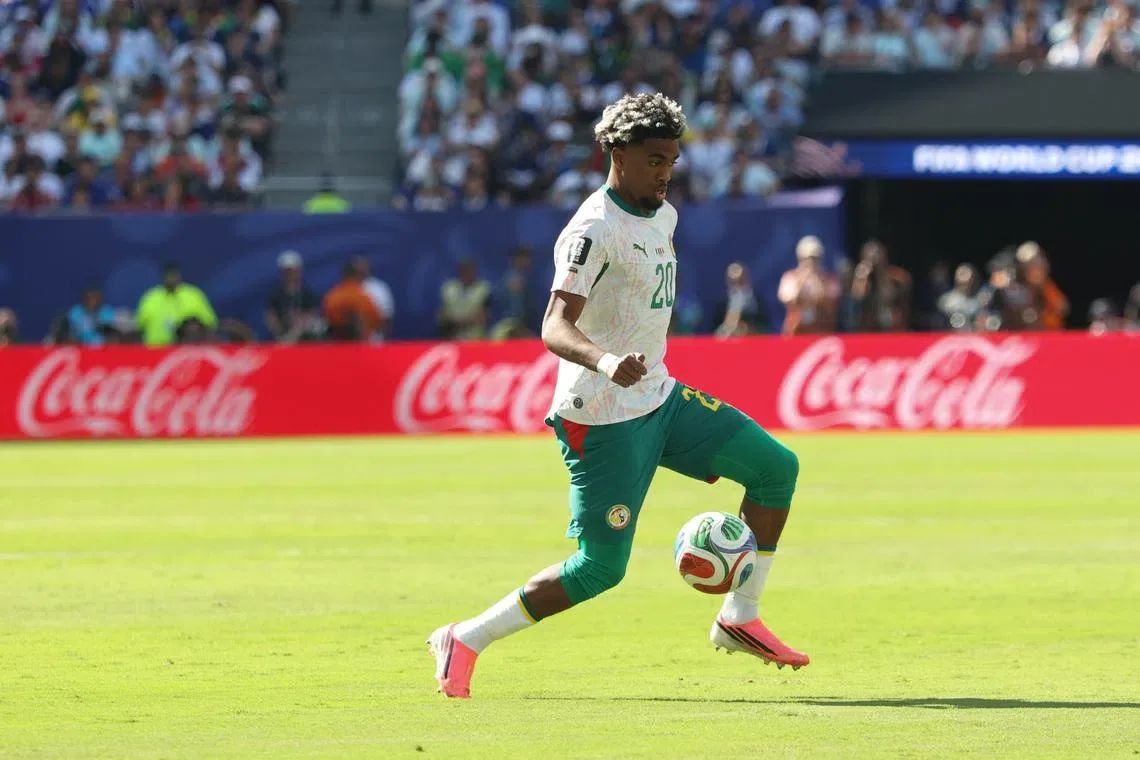
Morocco’s starting lineup against Brazil on June 17 at the 2026 World Cup featured 10 players born outside Morocco and developed at European clubs. Only goalkeeper Yassine Bounou, born in Canada but trained in Morocco, was an exception [1, 2]. Cape Verde, a nation of roughly 600,000, qualified for the World Cup by relying mainly on players born or raised in Europe, a significant change from two decades ago when it did not even enter qualifying [1, 2].
Over the past 20 years, many African countries have recruited players from migrant communities in Europe to strengthen their squads and improve competitiveness [1, 2]. All players must hold citizenship of the country they represent and undergo a physical passport check [1, 2]. To avoid countries naturalizing players solely for football reasons, FIFA requires players to have resided for at least five years in the country or have a parent or grandparent born there to be eligible [1, 2].
When FIFA World Cups began, there were no eligibility rules. Luis Monti played for Argentina in 1930 and then Italy in 1934 after transferring to Juventus [1, 2]. Later, FIFA introduced stricter rules permanently tying players to a country once they played an official match at any level [1, 2].
North African football federations advocated for more flexible rules to allow players of African origin to switch nationalities and gain more international chances. Mohamed Raouraoua, former president of the Algerian Football Federation, said, "We didn’t think it was fair that players (of African origin) were being selected for junior teams of European countries and then never getting a chance to play at full international level. Our proposal was to give liberty and freedom to these players to have a right to choose." He added, "Having these players is a huge benefit for many African teams. It improves the whole football product." [1]
FIFA amended its statutes in 2003, allowing players under certain conditions to switch their international football nationality, often enhancing the competitiveness of diaspora-reliant teams [1, 2]. These rules continue to shape squad compositions in the 2026 World Cup, where the presence of European-born players on African teams remains prominent.
Morocco’s heavily Europe-developed squad and Cape Verde’s qualification through Europe-based talent exemplify the ongoing impact of FIFA’s eligibility regulations on global football competition [1, 2].