Formula One will reduce the electric power portion of its hybrid power units to a 58-42 split in favor of the internal combustion engine (ICE) for the 2027 season and 60-40 in 2028, the FIA announced today. [1, 2, 3] The maximum ICE power will rise from 400 kW this year to 420 kW in 2027 and 450 kW in 2028. [1, 4, 2, 3, 5] Fuel flow to the ICE will also increase by 5% in 2027 and 13% in 2028. [1, 4, 2, 3, 5]
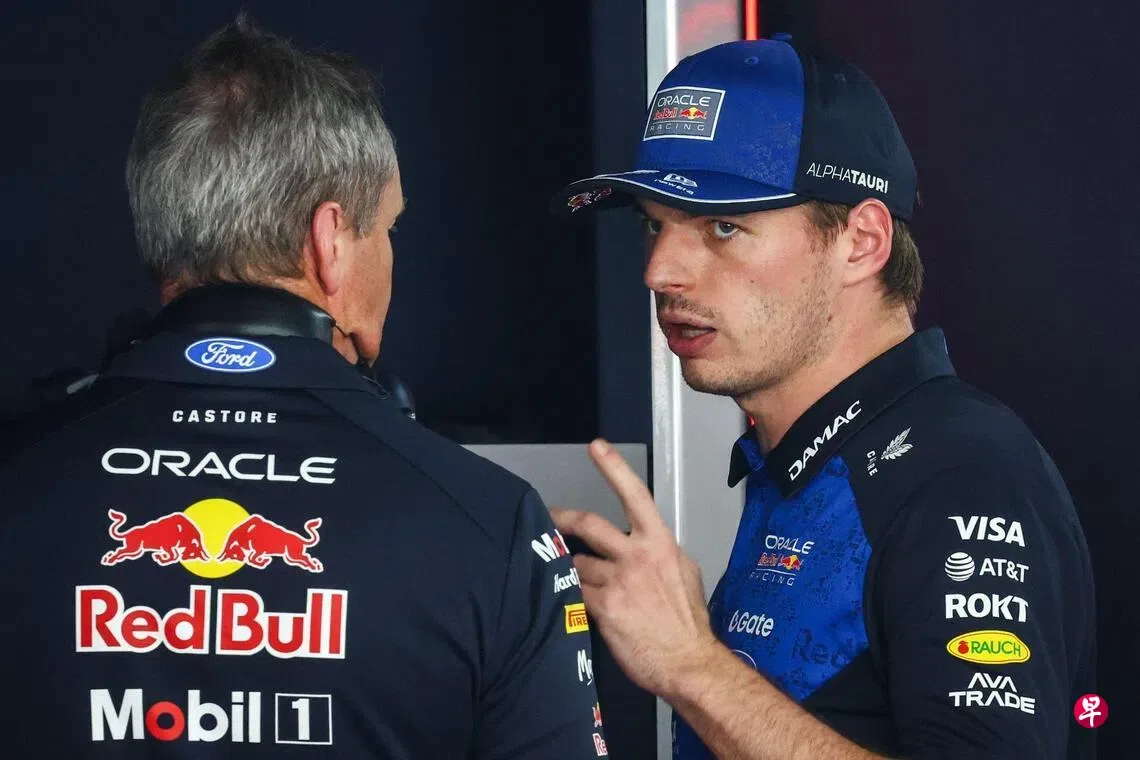
The changes aim to reduce energy management during laps that drivers have complained diminishes qualifying and racing excitement and creates artificial tactics. Max Verstappen, a four-time champion, called the current 2026 rules "anti-racing" and said a 60-40 split is the minimum acceptable balance, noting the 2027 proposal is "close" but still below that mark. [3, 5]
The electrical power produced will drop from 350 kW this year to roughly 300 kW next season. Meanwhile, maximum electrical harvesting power will increase to 375 kW in 2027 and 400 kW in 2028. [4] Some teams, including Audi and Ferrari, reportedly opposed moving directly to a 60-40 split in 2027, leading to the stepped approach. [4, 3]
FIA president Mohammed Ben Sulayem said, "Formula One has always evolved to meet new challenges and seize new opportunities. These proposed changes reflect the collaborative work taking place across the sport to ensure the regulations continue to support exciting racing, technological innovation and long-term sustainability." [1]
The agreement was reached between the FIA, teams, power unit manufacturers, and Liberty Media-owned Formula One. It still requires approval by the World Motor Sport Council, which meets on June 23, 2026, to finalize the engine regulation changes. [1, 2, 3]
The new technical rules will take effect at the start of the 2027 season with the adjusted power unit splits and fuel flow increases. [1, 4, 2, 3, 5] In 2028, the balance will shift further toward the combustion engine with the 60-40 power split and a larger fuel flow increase.