France, ranked second in the FIFA standings, defeated 34th-ranked Sweden 3-0 in an early morning match during the 2026 World Cup, with Kylian Mbappe scoring and celebrating alongside coach Didier Deschamps, who had just returned from his mother's funeral four days earlier [1, 2]. The victory illustrated traits the tournament has inspired reflection on, such as teamwork, unity, resilience, endurance, focus, and perseverance in sports and life [1, 2].
The event, held every four years and eagerly awaited by fans worldwide, generates excitement and fosters a powerful sense of family and solidarity among players and supporters alike [1, 2]. The author of one account noted inviting his son to watch the early morning matches, highlighting the intergenerational connection and shared enthusiasm the tournament creates [1, 2].
Beyond athletic skill, communication emerged as a key factor in top teams’ success during the World Cup. Forbes analyzed how high-performing teams maintain continuous, concise communication on the field, helping them coordinate dynamically through clearly defined roles and shared understanding of responsibilities [3]. Such teams proactively address issues early during matches to avoid problems, a habit widely transferable to business and workplace teams [3].
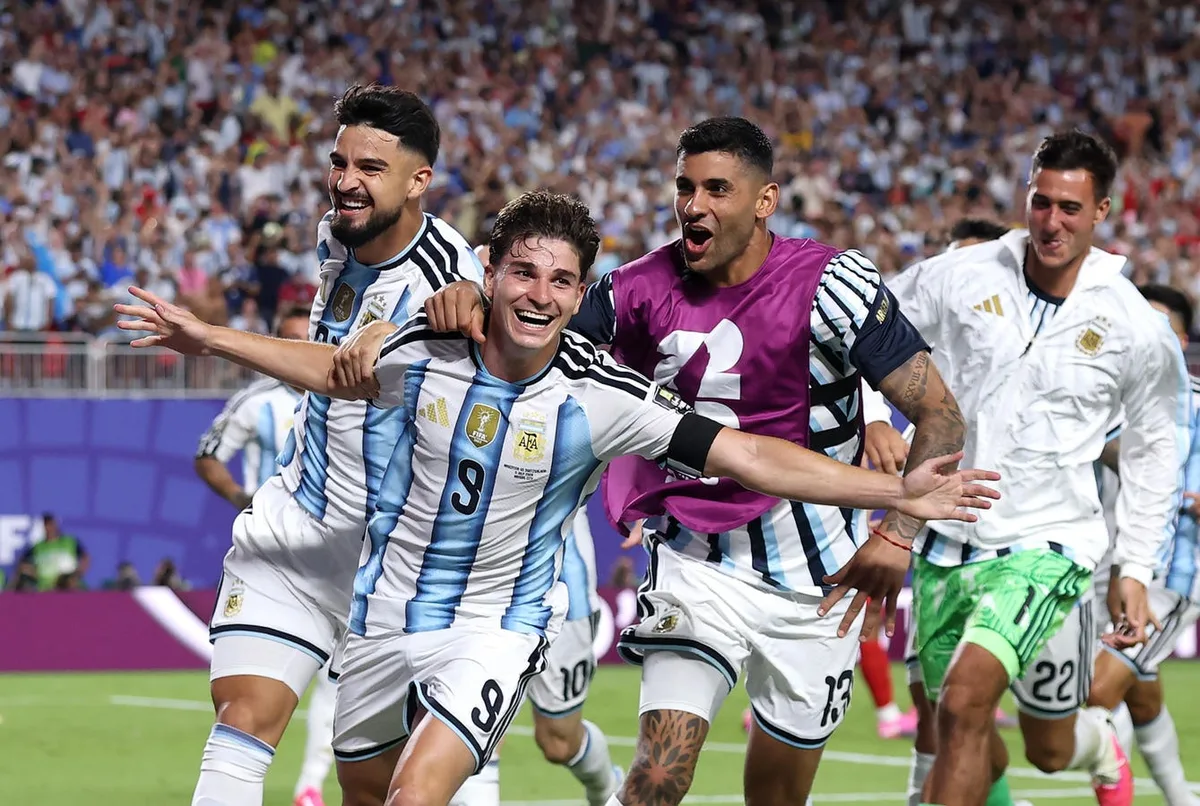
The French team's unity was visible not only in their play but in their celebration. The coach’s recent personal loss added an emotional dimension to their collective effort and success [1, 2]. "When their scorer smiles with a goal, the whole nation smiles with him," an article author reflected, capturing how the team’s spirit resonated across the country [1].
On July 13, Forbes published an article exploring how these communication habits from the World Cup apply to leadership and teamwork beyond sports [3]. The tournament’s lessons on resilience and focus continue to inspire participants and observers alike, with the competition progressing towards the next round.