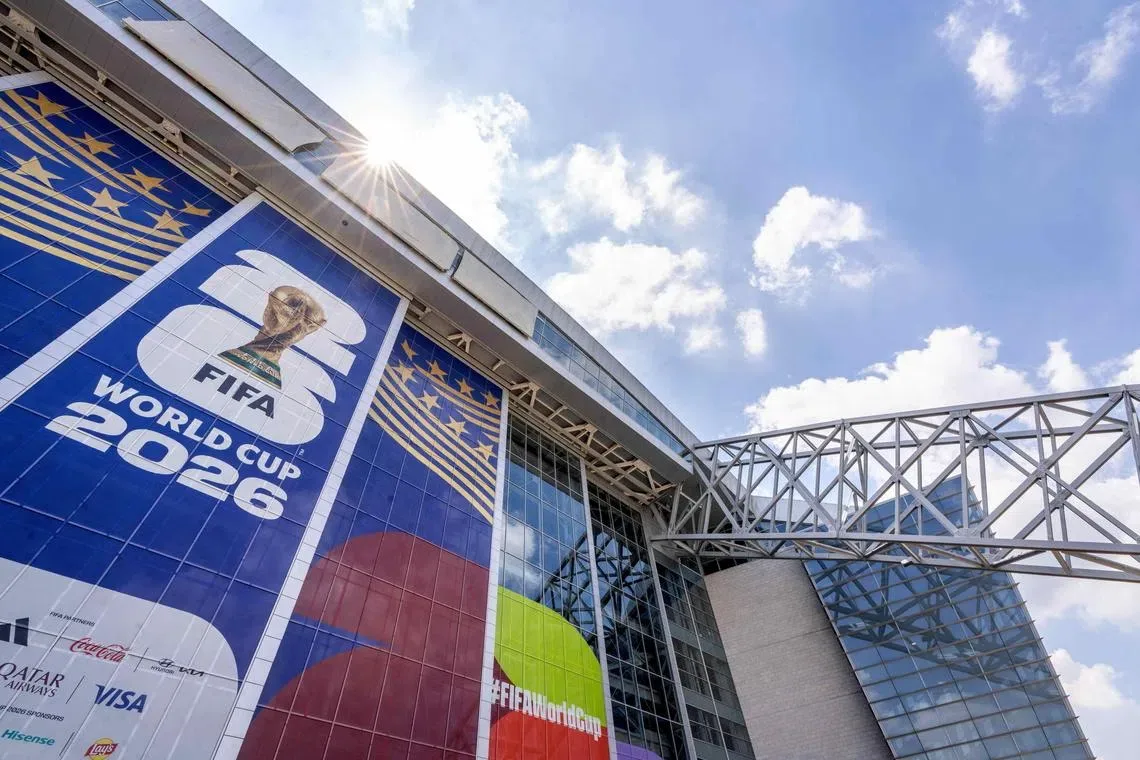
The 2026 FIFA World Cup began on June 11 across the United States, Mexico, and Canada with an expanded field of 48 teams, up from 32 in previous editions [1, 2, 3, 4]. The tournament is marked by mounting geopolitical tensions that overshadow some key group stage matches.
The Qatar versus Switzerland match on June 13 in Group B epitomizes the political complications. Swiss authorities are investigating allegations of corruption and spying linked to Qatari officials, including surveillance of former Swiss Attorney-General Michael Lauber and FIFA President Gianni Infantino [1, 2, 3, 4]. This ongoing investigation casts a shadow over the match and the tournament at large.
Another high-profile match on June 14 between the Netherlands and Japan in Group F is heightened by recent diplomatic interactions. At the Shangri-La Dialogue on May 31, Dutch Defence Minister Dilan Yesilgoz-Zegerius and Japanese Defence Minister Shinjiro Koizumi exchanged pointed remarks that increased stakes ahead of the match [1, 2, 3, 4]. The match coincides with a weeklong visit of Japan’s Emperor Naruhito and Empress Masako to Amsterdam from June 13 to 20, invited by Dutch King Willem-Alexander [1, 2, 3, 4].
Other matches carry geopolitical symbolism as well. The France versus Senegal fixture highlights post-colonial tensions between the countries [1, 2, 3, 4]. Australia’s games are influenced by complaints linked to a US submarine deal [1, 2, 3, 4]. Meanwhile, the Spain versus Saudi Arabia match represents football’s new financial order and accusations of "sportswashing" tied to Saudi Arabia’s Public Investment Fund [1, 2, 3, 4].
The political tensions extend beyond the field. The tournament has faced reports of US entry blocks affecting some players, officials, and fans, despite US leadership providing assurances to ease these issues [1, 2, 3, 4]. Additionally, lingering corruption allegations from Qatar’s 2022 World Cup bid remain a source of controversy surrounding the event [1, 2, 3, 4].
The World Cup’s group stage will continue through June, with further matches likely to carry geopolitical weight as teams from diverse backgrounds compete amid growing international scrutiny. The Qatar vs Switzerland match on June 13 and the Netherlands vs Japan game on June 14 remain focal points for combining sport with diplomatic tensions [1, 2, 3, 4].