The 2026 World Cup will be played in 16 stadiums spanning diverse climates from Mexico to Canada, demanding advanced turf science to maintain living grass surfaces under intense play and heat [1, 2].
Different grass blends are selected based on regional climates. Hotter locations use bermudagrass-based mixes, while temperate cities like Vancouver and Mexico City rely on ryegrass blends [1, 2].
Specialty turf farmer Bert Bos’s family farm supplies the grass for the Vancouver stadium, which will host seven matches starting June 13, 2026. Bos describes the task as “very high stakes and no room for error, and we definitely do not want to have any kind of fail” [1, 2].
Leah Brilman, PhD and senior manager at seed company DLF, oversees turfgrass development and seed provision for Vancouver and Mexico City stadiums. Brilman said, “It gets a lot more complex than people think,” emphasizing the decades of research behind the grass varieties and continual improvements: “Every generation we improve on what we have” [1, 2].
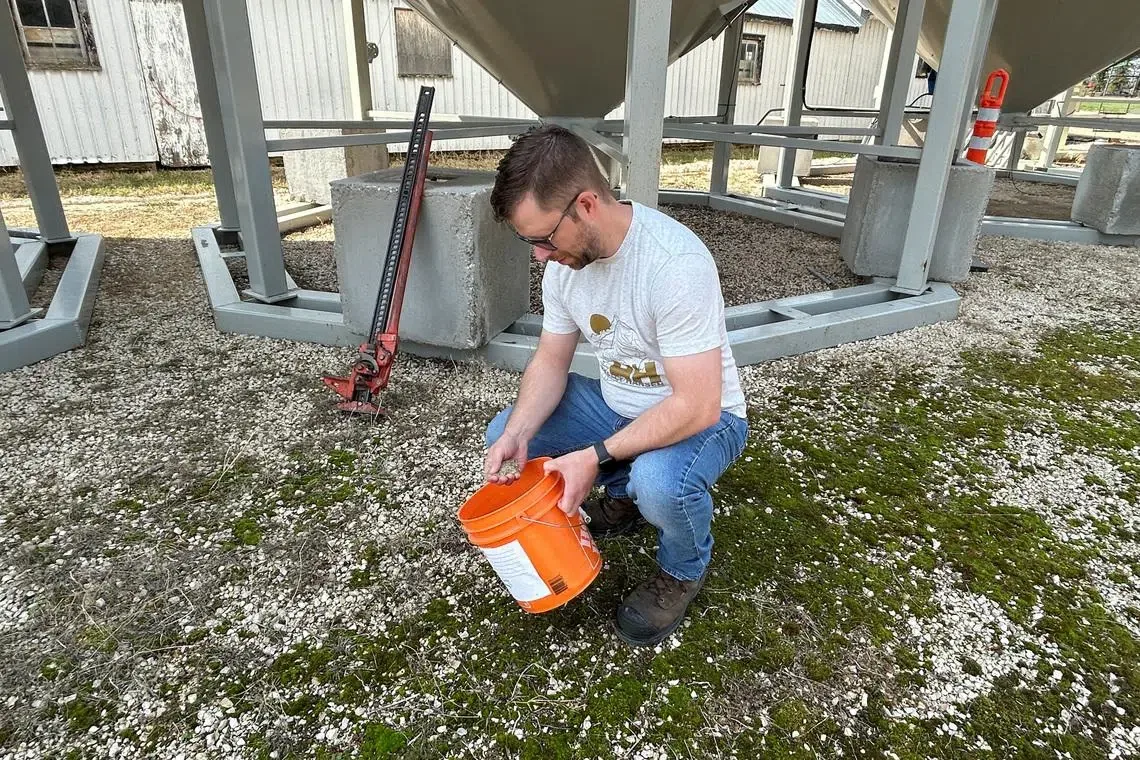
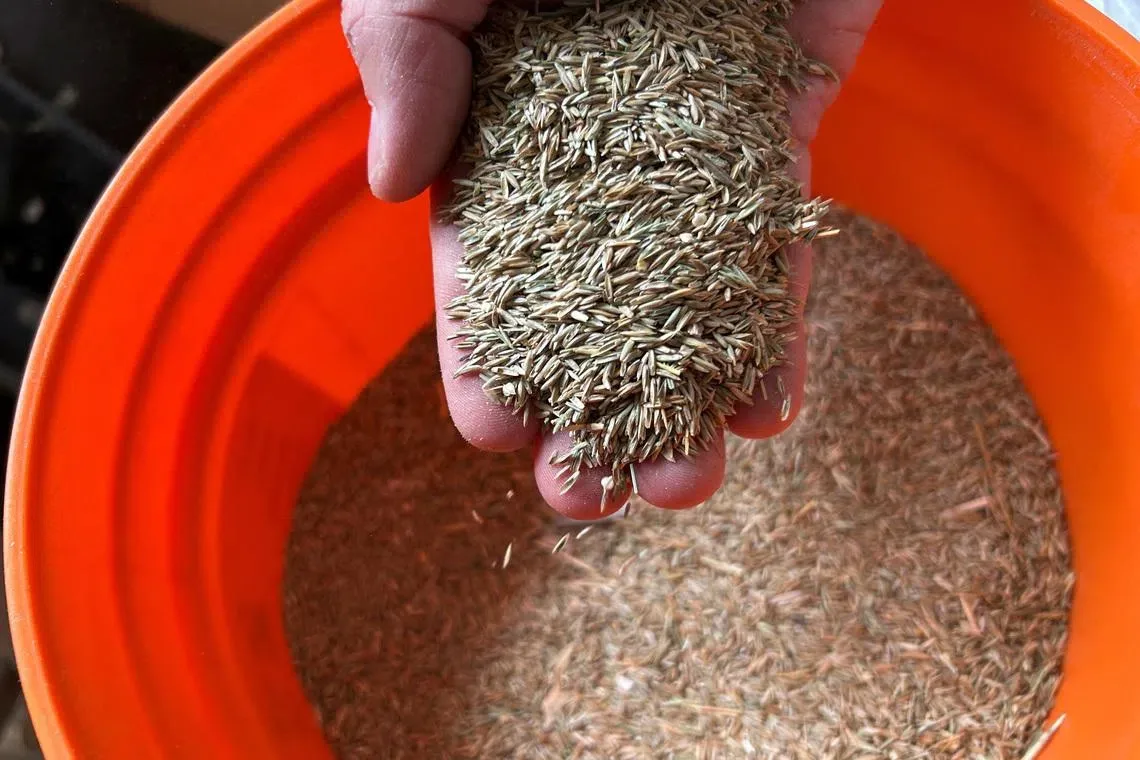
Lorne Boundy, a farmer near Arborg, Manitoba, supplies ryegrass seed used in some World Cup pitches. He called participating in the tournament “kind of humbling” [1, 2].
FIFA’s investment in soccer-specific turf standards has driven ongoing breeding and development, resulting in grasses that differ from those used in previous World Cups [1, 2].
On June 4, 2026, reports outlined the extensive preparations and turf science involved. The first match on the turf grown by Bos’s family farm will take place at the Vancouver stadium on June 13, 2026 [1, 2].