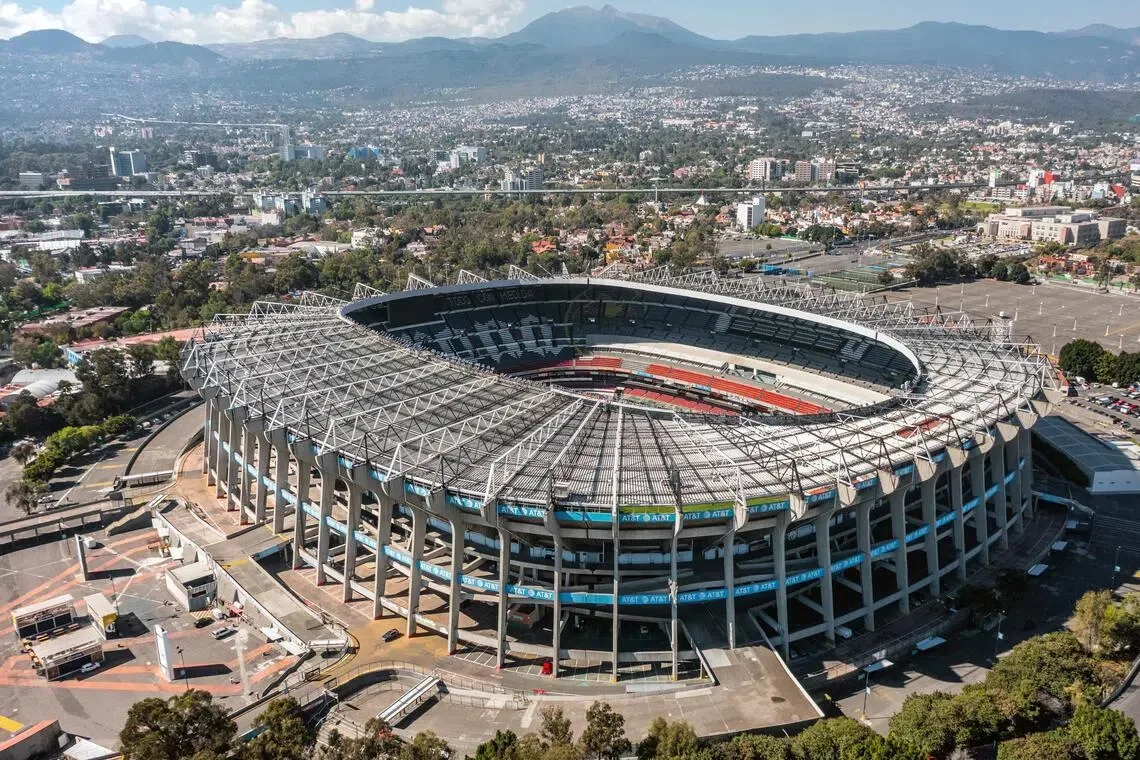
The 2026 FIFA World Cup will feature matches at high-altitude venues in Mexico, including Estadio Azteca at about 2,200 meters and Guadalajara Stadium at about 1,500 meters above sea level [1, 2, 3, 4]. Estadio Azteca, with a capacity of 83,000, will open the tournament on June 11, 2026, when Mexico faces South Africa, and host two more group-stage matches [1, 2, 3, 4]. It will be the first stadium to hold World Cup matches in three different tournaments (1970, 1986, 2026) [1, 2, 3, 4].
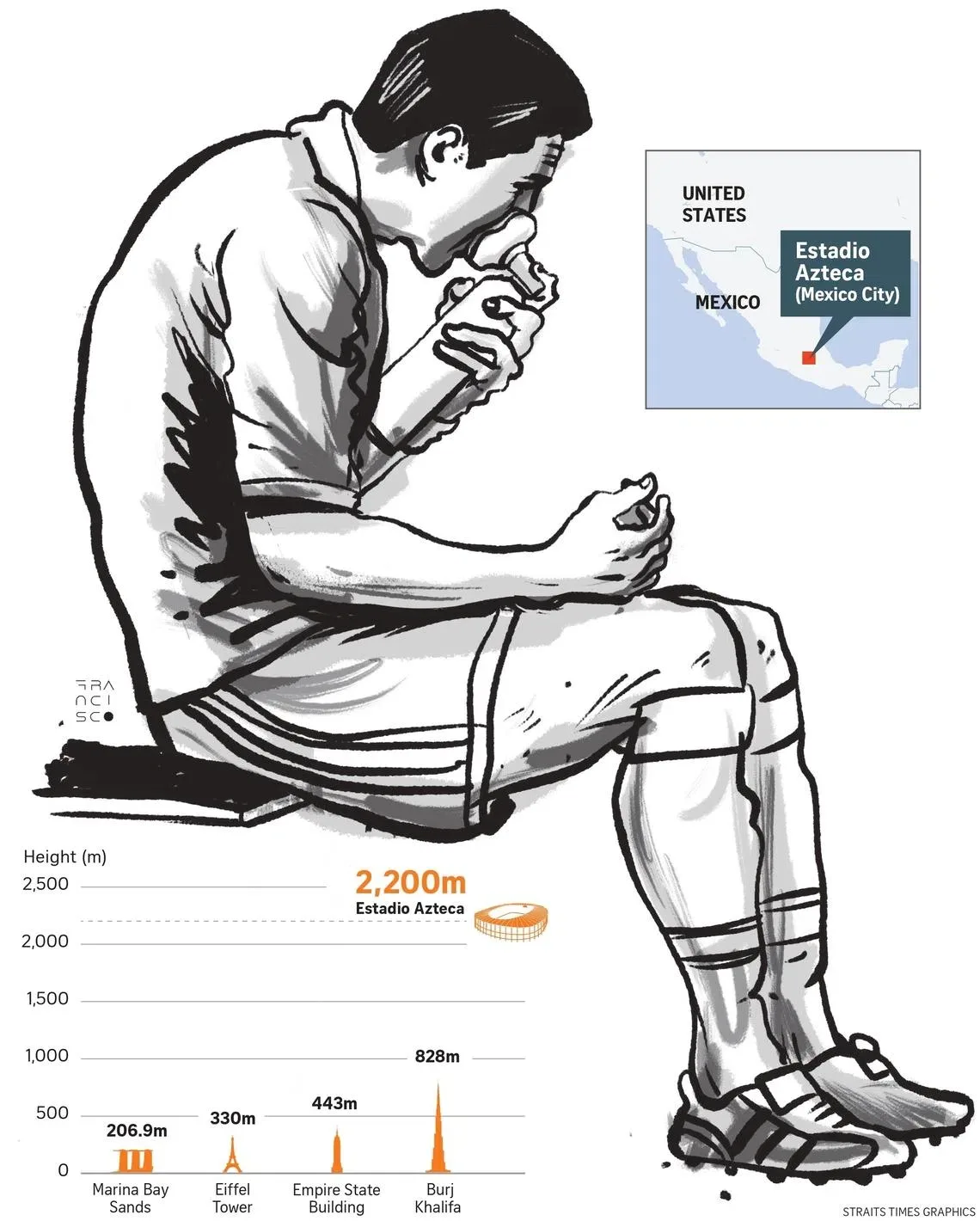
The altitude at Estadio Azteca is higher than the combined heights of the Burj Khalifa, Empire State Building, and Marina Bay Sands, totaling about 1,470 meters combined, which makes oxygen levels significantly lower there [1, 2, 3, 4]. Visitors arriving in Mexico City from June 8 already report symptoms such as shortness of breath and headaches during light activity [1, 2, 3, 4]. Scott Xu, consultant with the sport and exercise medicine department at Changi General Hospital, explained, "When footballers compete under these conditions, there will be less oxygen circulating their system, reducing endurance during periods of exertion" [1].
Teams are preparing for these challenges through early acclimatisation and the use of altitude simulation facilities, but travel between venues at varying elevations and short recovery times complicate logistics [1, 2, 3, 4]. Success at the tournament will depend heavily on player adaptation and the extensive effort of support staff, making strategic use of substitutes crucial [1, 2, 3, 4].
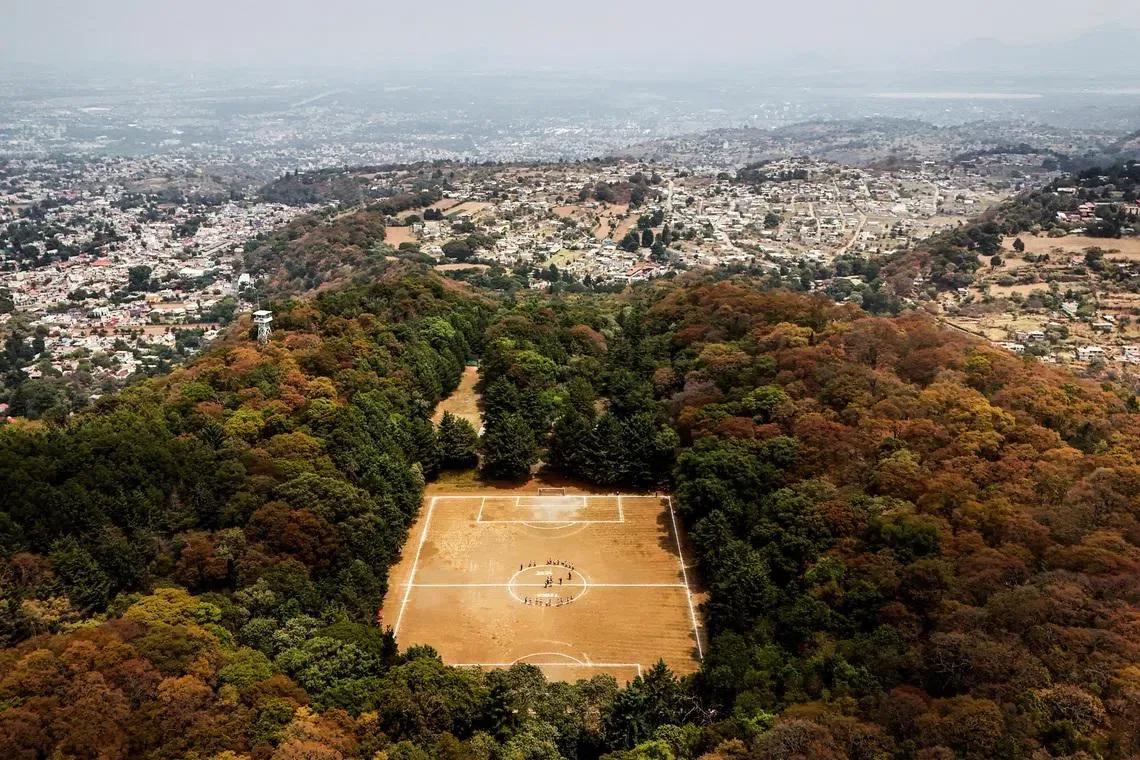
Amateur soccer is widely played across Mexico in varied and unique locations. For example, the 'Field of the Gods', a pitch inside the crater of the extinct Teoca Volcano near Mexico City, sits at approximately 700 meters altitude and hosts amateur teams on Sundays [5, 6]. In Xochimilco, players often reach some of the city’s last remaining natural grass pitches by traditional boats along canals in a UNESCO World Heritage Site [5, 6]. These pitches serve as social hubs but their upkeep risks harming local ecology, including habitat for the endangered axolotl salamander [5, 6]. Fourteen-year-old Humberto Guadalupe, an amateur player, said, "One way or another, it's going to happen. Even when we lose a match, we keep our heads up" [5].
Estadio Azteca will stage the World Cup opener on June 11, 2026, kicking off the tournament amid these high-altitude challenges [1, 2, 3, 4].